# Highest Paying Jobs in the Jewelry Industry
The jewelry industry offers more career opportunities than many people realize. Behind every diamond engagement ring, gold necklace, luxury bracelet, and gemstone collection are professionals responsible for designing, manufacturing, evaluating, photographing, marketing, and selling these products.
While some people work directly with gemstones and precious metals, others manage luxury brands, supervise production teams, develop marketing campaigns, or create product photographs for online stores.
If you are interested in jewelry, you may be wondering which careers offer the best salaries and long-term earning opportunities.
The highest paying jobs in the jewelry industry often involve specialized technical knowledge, years of experience, management responsibilities, or valuable customer relationships.
However, income varies depending on location, qualifications, employer size, and individual performance.
For example, a senior jewelry designer working for an international luxury brand may earn considerably more than an entry-level designer. Similarly, an independent jewelry photographer may charge higher project fees but must also cover equipment, studio, and operating expenses.
In this guide, we explore 12 jewelry industry careers with strong earning potential, their responsibilities, the skills needed to enter each field, and factors that influence compensation.
We will also discuss how professional jewelry photography and photo editing support jewelry businesses and create additional career opportunities.
1. Jewelry Company Chief Executive Officer
A chief executive officer, commonly called a CEO, is responsible for the overall direction and performance of a jewelry business.
This can be one of the highest-paying positions in the industry, particularly at established companies with international operations.
What Does a Jewelry CEO Do?
A jewelry CEO oversees business strategy, financial performance, retail operations, product development, and long-term growth.
They may supervise senior managers, approve major investments, and develop plans for expanding into new markets.
Executives at larger companies may also work with investors, suppliers, and international business partners.
Skills Required
Successful CEOs generally need extensive management experience, financial knowledge, leadership skills, and an awareness of the luxury goods market.
Strong communication and strategic planning abilities are also important.
Many executives reach this position after years of experience in business management.
Earning Potential
Executive compensation may include a base salary, performance bonuses, stock awards, and other benefits.
Senior executives at major jewelry companies may receive substantial compensation.
However, small jewelry business owners may earn much less, especially during the early stages of their businesses.
**Why consider this career?** It offers opportunities to lead a company, influence major decisions, and participate in long-term business growth.
2. Luxury Jewelry Brand Director
A luxury jewelry brand director manages how a company presents its products and communicates with customers.
This role combines marketing, creative direction, product positioning, and customer experience.
Main Responsibilities
Brand directors may oversee advertising campaigns, product launches, website presentation, packaging, and promotional materials.
They often coordinate photographers, graphic designers, marketing specialists, and retail teams.
For example, launching a new diamond jewelry collection may require planning product photography, advertising, catalog design, and social media campaigns.
Skills Required
Brand directors benefit from experience in marketing, branding, creative management, customer research, and project coordination.
Knowledge of luxury consumer behavior and digital marketing is particularly useful.
Earning Potential
Senior brand leadership positions may offer competitive salaries, especially at established luxury companies.
Compensation depends on the size of the business, market, and level of responsibility.
**Why consider this career?** It combines business strategy with creative work and provides opportunities to influence how customers perceive jewelry brands.
3. Senior Jewelry Designer
Jewelry designers create the appearance and structure of rings, necklaces, bracelets, earrings, and other accessories.
Senior designers may lead collections, supervise junior designers, and collaborate with manufacturers.
What Does a Jewelry Designer Do?
Designers develop sketches, select materials, prepare technical drawings, and create concepts for production.
Some use computer-aided design software to develop detailed jewelry models.
They may also work with gemstone specialists to select suitable stones and settings.
Skills Required
Important skills include drawing, design development, knowledge of metals and gemstones, and familiarity with jewelry manufacturing methods.
CAD software experience can also be valuable.
Designers must consider both appearance and practicality.
Earning Potential
Senior designers working for established brands may earn more than entry-level designers.
Independent designers may generate income by selling original collections or accepting custom commissions.
However, independent business revenue must cover materials, production, marketing, and other expenses.
**Why consider this career?** It provides opportunities to create original products and combine artistic skills with jewelry craftsmanship.
4. Certified Gemologist
Gemologists specialize in identifying, examining, and evaluating gemstones.
They may work with diamonds, rubies, sapphires, emeralds, pearls, and other materials used in jewelry.
What Does a Gemologist Do?
A gemologist examines gemstones using specialized equipment.
Depending on the position, they may identify gemstones, assess their characteristics, detect treatments, and prepare examination reports.
Some gemologists work in laboratories, while others work for jewelry retailers, auction houses, or gemstone trading businesses.
Skills Required
Gemologists need strong attention to detail, knowledge of gemstone properties, and the ability to use testing equipment.
Formal gemology education and recognized professional credentials may be useful for specialized positions.
Earning Potential
Experienced gemologists working in specialized laboratories, senior management, or high-value gemstone trading may have greater earning opportunities.
However, compensation varies considerably by employer, location, and experience.
**Why consider this career?** It is suitable for people interested in gemstones, scientific examination, and detailed analytical work.
5. Professional Jewelry Appraiser
Jewelry appraisers estimate the value of jewelry for purposes such as insurance, resale, estate planning, and other financial or legal needs.
This career requires technical knowledge and careful documentation.
Main Responsibilities
An appraiser examines gemstones, metals, craftsmanship, condition, and relevant market information.
They may prepare written reports describing the jewelry and its estimated value.
Different appraisal purposes can require different valuation methods.
For example, insurance replacement value may differ from resale value.
Skills Required
Important skills include gemstone identification, market research, valuation methods, documentation, and professional ethics.
Gemology training and appraisal-specific education can be helpful.
Earning Potential
Experienced appraisers may work for jewelry companies or charge fees for independent assignments.
Income depends on the number of projects, complexity of evaluations, and professional reputation.
**Why consider this career?** It offers specialized work involving valuable jewelry, research, and independent judgment.
6. Master Jeweler and Goldsmith
Master jewelers and goldsmiths create, repair, and modify jewelry using specialized tools and techniques.
They may work with gold, silver, platinum, gemstones, and other materials.
What Does a Master Jeweler Do?
Responsibilities may include creating custom jewelry, repairing damaged settings, resizing rings, soldering components, and restoring older pieces.
Some professionals specialize in handmade engagement rings or intricate decorative metalwork.
Skills Required
This career requires manual dexterity, precision, knowledge of metals, and experience using jewelry manufacturing equipment.
Training may involve apprenticeships, trade schools, and years of practical work.
Earning Potential
Experienced jewelers may earn more than beginners, particularly when handling complicated custom projects.
Some operate independent workshops and charge for specialized services.
However, business income depends on customer demand, material costs, equipment, and labor expenses.
**Why consider this career?** It is suitable for people who enjoy hands-on craftsmanship and creating physical products.
7. Diamond Buyer and Gemstone Trader
Diamond buyers and gemstone traders purchase and sell precious stones for manufacturers, wholesalers, retailers, and private clients.
This career combines technical gemstone knowledge with commercial negotiation.
Main Responsibilities
Diamond buyers evaluate stones based on characteristics such as cut, color, clarity, and carat weight.
They may review grading reports, negotiate with suppliers, and source gemstones for specific jewelry collections.
Gemstone traders also monitor market conditions and maintain relationships with buyers and suppliers.
Skills Required
Professionals need gemstone knowledge, negotiation skills, market awareness, and an ability to assess financial risks.
Trust and professional relationships are particularly important when handling valuable inventory.
Earning Potential
Experienced buyers may receive salaries and performance incentives.
Independent traders may generate substantial revenue, but they also face inventory costs, price fluctuations, and financial risks.
**Why consider this career?** It combines jewelry expertise with purchasing, negotiation, and international business opportunities.
8. Jewelry Manufacturing and Production Manager
Production managers supervise the processes used to manufacture jewelry.
They coordinate employees, equipment, materials, schedules, and quality standards.
Main Responsibilities
A production manager plans manufacturing schedules, monitors output, manages materials, and coordinates quality inspections.
They may also work with designers to determine how new products will be manufactured.
Reducing waste and maintaining consistent craftsmanship are important responsibilities.
Skills Required
Production managers benefit from experience in manufacturing, inventory management, staff supervision, and quality control.
Knowledge of jewelry production methods is particularly valuable.
Earning Potential
Managers overseeing larger facilities or specialized manufacturing operations may have higher earning potential than entry-level production employees.
Compensation depends on employer size, production scale, and management responsibilities.
**Why consider this career?** It provides opportunities to manage teams and improve manufacturing operations.
9. Luxury Jewelry Sales Director
Sales directors manage revenue growth and sales performance for jewelry businesses.
They may oversee retail stores, wholesale accounts, regional sales teams, or relationships with high-value customers.
Main Responsibilities
A sales director develops sales strategies, sets performance goals, and supervises sales employees.
They may also manage relationships with distributors and corporate clients.
In luxury jewelry, customer relationships and product knowledge can influence sales performance.
Skills Required
Sales directors need communication, negotiation, leadership, financial planning, and customer relationship management skills.
Experience selling luxury products can be useful.
Earning Potential
Senior sales positions may offer a combination of base salary, commissions, and performance bonuses.
Total compensation varies based on business performance and the sales agreement.
**Why consider this career?** It may appeal to professionals who enjoy relationship-building, business development, and leadership.
10. Professional Jewelry Photographer
Jewelry photographers specialize in photographing rings, necklaces, bracelets, earrings, watches, and gemstones.
This type of photography requires careful lighting and composition because jewelry contains highly reflective surfaces and small details.
What Does a Jewelry Photographer Do?
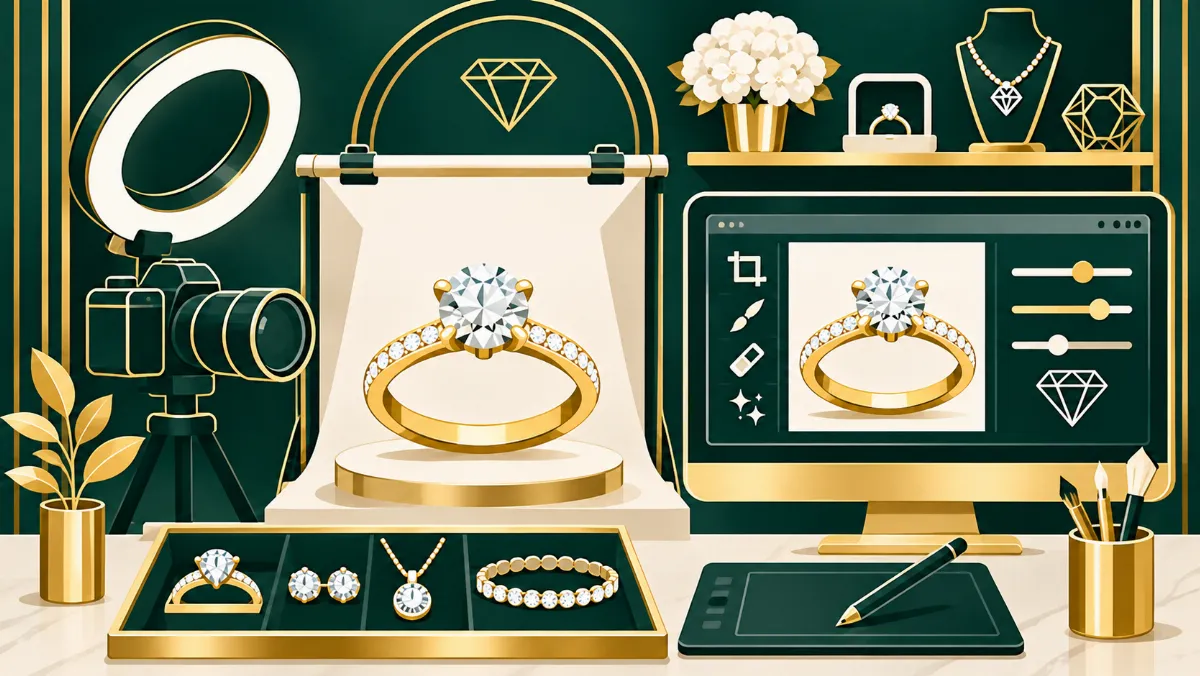
A jewelry photographer prepares products, arranges lighting, chooses backgrounds, and produces photographs for websites, catalogs, advertisements, and social media.
They may work with jewelry brands, photography studios, marketing agencies, or independent designers.
Some photographers also provide editing services.
Skills Required
Important skills include product photography, lighting control, macro photography, composition, and color management.
Knowledge of Adobe Photoshop and Lightroom can also be useful.
Photographers must understand how to present polished metals and gemstones accurately.
Earning Potential
Jewelry photography income varies depending on employment arrangements, client budgets, equipment expenses, and project complexity.
Specialized commercial photographers may charge project fees rather than hourly rates.
Freelancers must also account for equipment, studio expenses, editing time, and other operating costs.
**Why consider this career?** It combines photography skills with detailed commercial product presentation.
11. Professional Jewelry Photo Retoucher
Jewelry photo retouching is a specialized career within commercial image editing.
Retouchers work on photographs after a photoshoot to correct distracting imperfections and prepare images for publication.
Jewelry retouching requires precision because small editing mistakes can change the appearance of valuable products.
What Does a Jewelry Retoucher Do?
A jewelry retoucher may remove dust, reduce unwanted reflections, correct colors, refine edges, and clean backgrounds.
For example, a diamond ring photograph may contain dark reflections on the metal band and dust near the gemstone setting.
The editor must correct these distractions while preserving the ring's original shape, gemstone placement, and natural metal texture.
Skills Required
Jewelry retouchers need strong Photoshop skills, attention to detail, and knowledge of reflective materials.
Experience with masking, healing tools, cloning, adjustment layers, and color correction is useful.
Editors should also understand the importance of product accuracy.
Earning Potential
Retouchers may work as employees, freelancers, or business owners.
Some charge per image, while others use hourly or project-based pricing.
Income depends on editing complexity, production speed, client volume, and operating costs.
Advanced commercial retouching may support higher rates than basic background removal, but higher prices do not automatically mean greater profit.
**Why consider this career?** It provides opportunities for creative professionals who enjoy detailed editing and working with jewelry product images.
12. Jewelry E-Commerce and Digital Marketing Manager
Jewelry businesses use websites, online marketplaces, and social media to reach customers.
E-commerce and digital marketing managers oversee how jewelry products are presented and promoted online.
Main Responsibilities
An e-commerce manager may supervise product listings, website merchandising, advertising campaigns, and online sales performance.
They often work with photographers, photo editors, designers, and marketing specialists.
For example, launching a new necklace collection may require product photographs, edited images, product descriptions, and promotional advertisements.
Skills Required
Important skills include e-commerce management, search engine optimization, digital advertising, analytics, and project coordination.
Knowledge of product photography and visual content production can also be helpful.
Earning Potential
Experienced digital marketing managers working for established jewelry brands may earn competitive salaries.
Compensation depends on business size, revenue responsibility, experience, and market.
**Why consider this career?** It combines marketing, technology, and business management within the jewelry industry.
13. Which Jewelry Industry Jobs Have the Best Earning Potential?
The highest earning potential is often associated with executive leadership, senior management, specialized commercial expertise, and successful business ownership.
However, it is important to distinguish between typical employee salaries and the potential earnings of exceptional individuals.
A jewelry company CEO may earn considerably more than an entry-level employee, but executive positions are limited and require substantial experience.
A successful independent jewelry designer or gemstone trader may generate significant revenue, but they also face financial risks and operating expenses.
Technical careers such as gemology, jewelry appraisal, and master jewelry craftsmanship can provide specialized employment opportunities.
Creative careers such as jewelry photography and retouching may offer flexible working arrangements and opportunities to serve multiple clients.
The best career depends on your interests, qualifications, financial goals, and willingness to develop specialized skills.
14. How to Start a Career in the Jewelry Industry
Entering the jewelry industry does not always require starting with an expensive degree or opening a jewelry store.
Different career paths have different entry requirements.
Identify Your Area of Interest
Begin by deciding which type of work interests you most.
If you enjoy design, jewelry design or creative direction may be suitable.
If you prefer technical analysis, gemology or appraisal may be worth exploring.
If you enjoy photography and digital tools, jewelry photography or photo retouching may be a practical starting point.
Learn the Required Skills
Research the qualifications needed for your chosen career.
Some positions require specialized training, while others place greater emphasis on practical experience and portfolios.
For example, aspiring jewelry photographers can practice lighting techniques and build a product photography portfolio.
Aspiring retouchers can develop Photoshop skills and create before-and-after editing examples.
Gain Practical Experience
Internships, apprenticeships, entry-level positions, and freelance projects can help you gain experience.
Working with experienced professionals also provides opportunities to learn industry standards.
For jewelry production careers, supervised practical training can be particularly useful.
Build Professional Relationships
Networking can help you learn about job opportunities and industry requirements.
Connect with jewelry designers, photographers, manufacturers, retailers, and other professionals.
Attend relevant trade events or participate in professional communities when possible.
Continue Developing Your Skills
Jewelry businesses use evolving manufacturing technologies, digital tools, and marketing methods.
Learning new techniques can help you remain competitive.
For example, jewelry designers may develop CAD skills, while photographers and retouchers may learn improved lighting and editing workflows.
15. Why Jewelry Photography and Photo Editing Matter to the Industry
Professional product photographs support several parts of the jewelry business.
Designers, retailers, manufacturers, and marketing teams need images that accurately show their products.
Help Customers Examine Jewelry Details
Customers shopping online depend on photographs to evaluate rings, necklaces, and other jewelry pieces.
Clear images make gemstone settings, metal finishes, and decorative details easier to examine.
Support Consistent Product Catalogs
Jewelry businesses may manage hundreds of product images.
Consistent backgrounds, lighting, image dimensions, and color correction help maintain an organized catalog.
Prepare Images for Marketing
Jewelry photographs are used in advertisements, websites, brochures, and social media campaigns.
Professional photography and editing help prepare images for these different purposes.
Reduce Production Workloads
Jewelry photographers and marketing teams may need to process large image collections.
Professional photo editing services can help with background removal, reflection cleanup, color correction, and detailed retouching.
At **Photo Editing Company**, jewelry photo editing services support photographers, retailers, and e-commerce businesses that need consistent product photographs.
The editing process should preserve the jewelry's original design, gemstone characteristics, proportions, and metal colors.
16. Frequently Asked Questions About Jewelry Industry Careers
What Is the Highest Paying Job in the Jewelry Industry?
Senior executive positions at large jewelry companies can offer some of the highest compensation. Successful business owners and specialized professionals may also earn substantial income, but earnings vary widely.
Is Jewelry Design a Good Career?
Jewelry design can be a rewarding career for people interested in art, craftsmanship, and product development. Income depends on experience, employer, specialization, and business performance.
Do Gemologists Make Good Money?
Experienced gemologists may find higher-paying opportunities in specialized laboratories, gemstone trading, appraisal, and management. However, compensation varies by location and responsibilities.
Can Jewelry Photographers Earn a Good Income?
Yes, specialized jewelry photographers can earn income through commercial projects and recurring clients. Profitability depends on pricing, workload, equipment costs, and business expenses.
Is Jewelry Photo Retouching a Good Career?
Jewelry retouching can be a useful specialization for photo editors who enjoy detailed commercial editing. Opportunities may include freelance projects, employment with editing companies, and work with jewelry photographers.
Do You Need a Degree to Work in the Jewelry Industry?
Not every jewelry career requires a university degree. Some positions rely on apprenticeships, trade training, professional certifications, or demonstrated skills. Management and specialized technical roles may require additional qualifications.
What Skills Are Most Useful in the Jewelry Industry?
Useful skills include attention to detail, gemstone knowledge, craftsmanship, design, communication, business management, photography, and digital marketing. The most relevant skills depend on the career.
Conclusion
The jewelry industry offers career opportunities across business leadership, design, gemstone evaluation, manufacturing, sales, photography, and digital marketing.
Some of the highest-paying jobs in the jewelry industry involve executive management, senior creative positions, specialized technical knowledge, and strong commercial experience.
However, compensation varies considerably depending on the employer, location, qualifications, and responsibilities.
For beginners, the best approach is to choose a career that matches their interests and develop the skills required to progress.
Jewelry photography and professional photo editing also provide opportunities for people interested in creative and digital work.
These services help jewelry businesses prepare accurate product photographs for online stores, catalogs, and advertisements.
**Need professional jewelry photo editing services?**
Photo Editing Company provides jewelry retouching, background removal, color correction, reflection cleanup, and product photo editing services for jewelry photographers, retailers, and online businesses. Our team helps prepare consistent jewelry images while preserving the original product details.