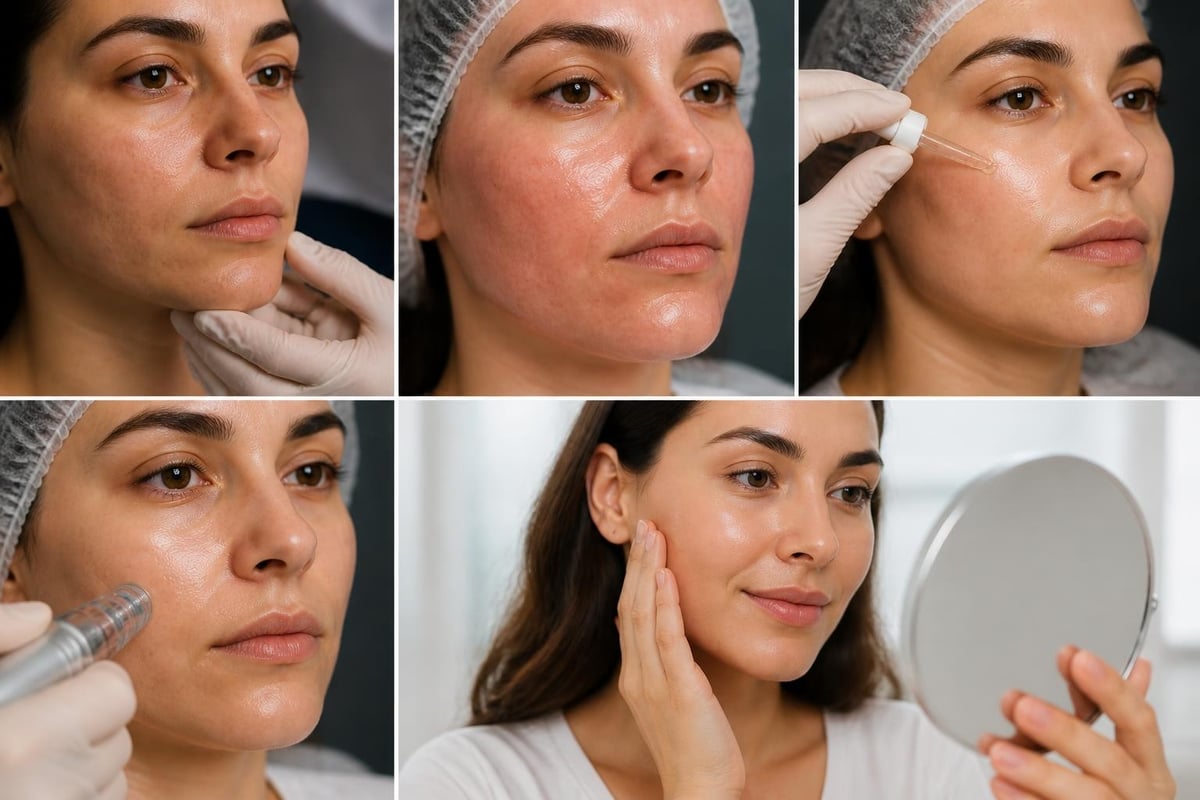
The demand for instant image transformation has exploded in 2026, with businesses and content creators constantly seeking ways to enhance their visual content without investing hours in complex editing software. A pic effect online solution offers immediate access to professional-grade filters, adjustments, and creative enhancements that can elevate ordinary photographs into compelling visual assets. Whether you're managing product catalogs, social media campaigns, or personal photography projects, understanding how to leverage online photo effects can dramatically improve your workflow efficiency and creative output.
Understanding Pic Effect Online Tools and Their Evolution
Online photo effect platforms have transformed significantly over the past few years, moving from simple filter applications to sophisticated AI-powered editing suites. These web-based solutions now rival desktop software in capability while maintaining the accessibility that makes them invaluable for quick edits.
Modern pic effect online tools utilize advanced algorithms to analyze image content and suggest appropriate enhancements. The technology behind these platforms has matured to include machine learning models that understand composition, lighting, and subject matter. This intelligence enables automatic adjustments that would traditionally require manual intervention from experienced editors.
Core Features of Professional Online Effect Platforms
The most effective online photo effect platforms share several essential characteristics that distinguish them from basic filter apps:
- Layer-based editing capabilities for complex compositions
- Non-destructive workflows that preserve original image data
- Batch processing options for applying effects to multiple images
- High-resolution export supporting professional print and digital formats
- Cloud storage integration for seamless file management
- Real-time preview systems showing changes before commitment
When evaluating pic effect online options, professionals should prioritize platforms that offer granular control alongside preset effects. The ability to fine-tune intensity, blend modes, and selective application areas separates professional tools from consumer-grade applications.

Popular Effect Categories for Business and Creative Applications
Understanding the different categories of effects available through online platforms helps users match tools to their specific needs. Each effect type serves distinct purposes in the image enhancement workflow.
Color Grading and Tonal Adjustments
Color manipulation represents one of the most powerful transformations available through pic effect online platforms. Professional color grading goes beyond simple filters to include:
| Effect Type | Primary Use | Best For |
|---|---|---|
| Vintage Film | Nostalgic aesthetic | Brand storytelling, lifestyle content |
| Cinematic Tones | Dramatic atmosphere | Product launches, premium marketing |
| HDR Enhancement | Detail amplification | Real estate, landscape photography |
| Black and White Conversion | Timeless elegance | Portrait work, artistic projects |
| Selective Color | Focal point emphasis | Advertising, social media highlights |
According to recent developments in AI-powered photo effects, these tools now offer over 500 distinct styles that can be applied instantly. The sophistication of these automated systems has reached a point where they rival manual editing for many common applications.
Texture and Pattern Overlays
Texture effects add depth and visual interest to flat images. Online platforms provide libraries of grain patterns, bokeh effects, light leaks, and geometric overlays that can transform basic photographs into artistic compositions. These effects work particularly well for social media content where distinctive visual style helps brands stand out in crowded feeds.
The key to effective texture application lies in subtlety and context awareness. Professional editors typically apply these effects at reduced opacity levels (between 20-40%) to enhance rather than overpower the original image. When working with photography editing software, understanding blend modes becomes crucial for achieving natural-looking results.
Technical Considerations for Online Photo Effects
While convenience defines the appeal of pic effect online solutions, technical quality remains paramount for professional applications. Several factors determine whether an online platform can deliver publication-ready results.
Resolution and File Format Support
Professional workflows demand platforms that handle high-resolution images without degradation. The best online effect tools support:
- RAW file processing for maximum editing latitude
- 16-bit color depth preservation throughout the editing pipeline
- Export options in TIFF, PNG, and high-quality JPEG formats
- Dimension limits exceeding 10,000 pixels for large format printing
- Color space management including Adobe RGB and ProPhoto RGB
These technical capabilities separate professional-grade platforms from consumer tools that compress files or limit resolution to improve processing speed. As discussed in reviews of advanced photo editing software, maintaining image quality through the editing process requires careful attention to technical specifications.
Processing Speed and Browser Compatibility
The performance of pic effect online platforms varies significantly based on browser technology and server infrastructure. Modern platforms leverage WebGL and WebAssembly to achieve near-native processing speeds directly in the browser. Chrome and Edge browsers typically deliver the best performance for complex effect rendering, though Firefox and Safari have closed the gap considerably in 2026.
Strategic Applications for Ecommerce and Product Photography
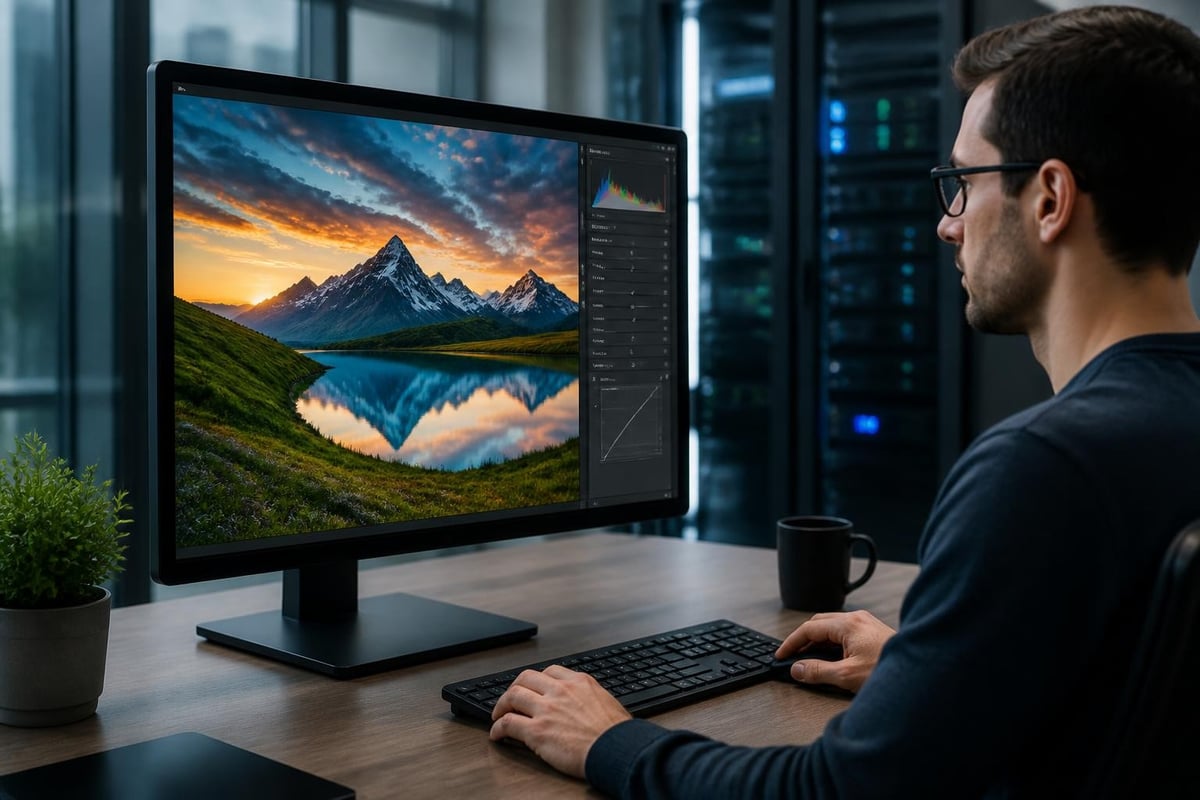
Online photo effects serve crucial roles in ecommerce operations where consistency and efficiency determine profitability. Product photographers and online retailers benefit from standardized effect applications that maintain brand identity across large catalogs.
Consistency Through Preset Effect Libraries
Building custom preset libraries allows businesses to apply identical treatments across product lines. This consistency strengthens brand recognition and customer trust. When establishing these presets, consider:
- Lighting normalization to account for shooting condition variations
- Background uniformity ensuring all products appear on consistent backdrops
- Color accuracy preserving product appearance for reduced returns
- Shadow and reflection standards maintaining realistic presentation
For businesses managing extensive product catalogs, professional ecommerce photo editing services can establish and apply these standards efficiently. These specialized services combine automated processing with quality control to ensure every image meets marketplace requirements while maintaining artistic coherence.
Marketplace Compliance and Optimization
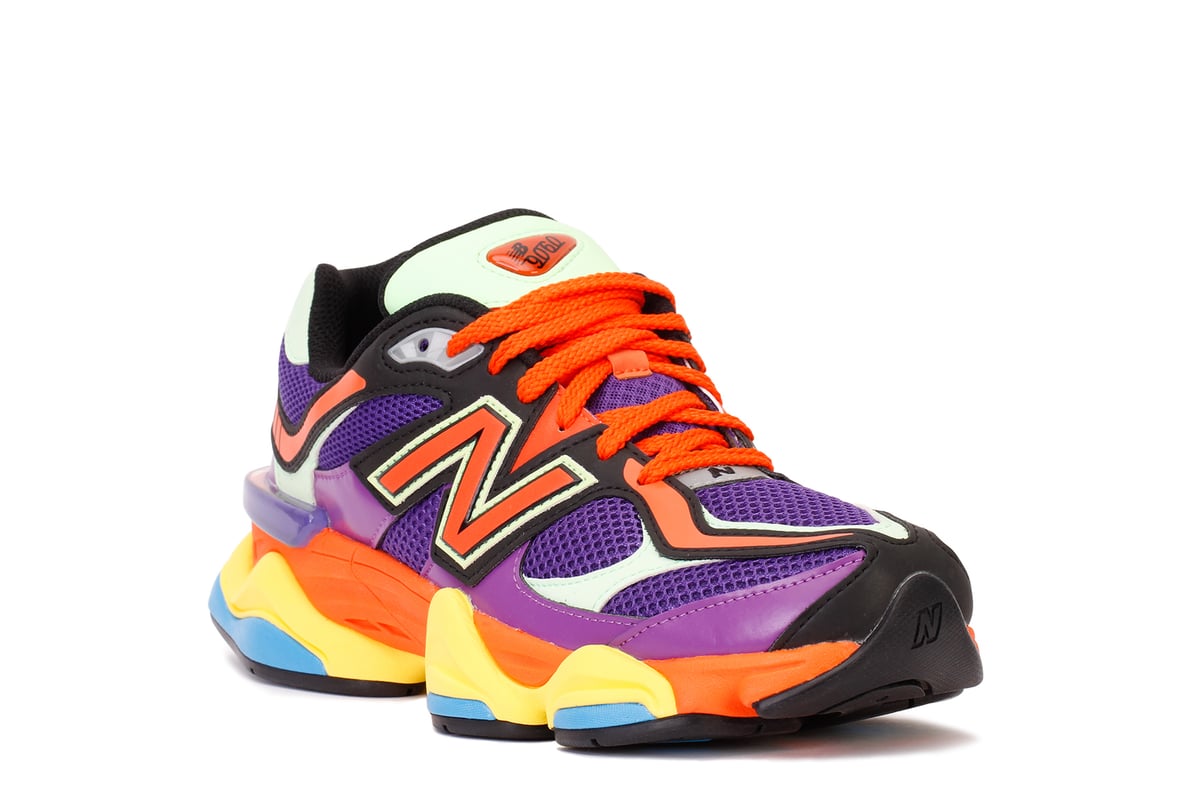
Different ecommerce platforms enforce specific image requirements that affect effect application. Amazon, eBay, and Shopify each maintain guidelines regarding:
| Platform | Background | Resolution | File Size | Color Mode |
|---|---|---|---|---|
| Amazon | Pure white (RGB 255,255,255) | 1000px minimum | 10MB maximum | sRGB |
| eBay | White or lifestyle | 500px minimum | 12MB maximum | sRGB |
| Shopify | Flexible | 2048px recommended | No strict limit | sRGB |
| Walmart | White preferred | 2000px minimum | 5MB maximum | sRGB |
Understanding these specifications before applying pic effect online tools prevents rejection and ensures optimal display. Many online effect platforms now include marketplace-specific export presets that automatically configure images for platform compliance.
Advanced Techniques for Creative Photo Manipulation
Beyond basic filters and adjustments, sophisticated pic effect online platforms offer creative tools that enable complex image transformations without requiring desktop software expertise.
Selective Effect Application and Masking
The most powerful online editors incorporate masking capabilities that allow effects to be applied to specific image regions. This selective approach enables:
- Portrait retouching where skin smoothing applies only to facial areas
- Sky replacement with realistic blending at horizon lines
- Product highlighting using selective sharpening and contrast
- Background blur simulating shallow depth of field
- Color isolation maintaining specific hues while converting surroundings
These techniques previously required extensive manual work in professional software. Modern AI-powered masking, as explored in comparisons of AI and manual photo editing, now automates much of this process while providing refinement controls for precise results.
Combining Multiple Effects for Signature Styles
Professional image makers develop signature looks by layering multiple effects in specific sequences. A typical effect stack might include:
- Base exposure correction establishing proper tonal range
- Color grading applying mood and atmosphere
- Texture overlays adding grain or environmental elements
- Selective sharpening emphasizing key details
- Vignette and edge effects guiding viewer attention
- Final color balance unifying the overall appearance
Understanding effect interaction requires experimentation and analysis of successful examples. Resources like BeFunky's photo effects guide demonstrate how layering creates depth that single effects cannot achieve.
Mobile Integration and Cross-Platform Workflows
The line between desktop and mobile editing continues to blur as online platforms offer seamless experiences across devices. This flexibility particularly benefits professionals who need to review and approve edits while away from their primary workstations.
Cloud-Based Project Synchronization
Leading pic effect online platforms maintain project states in cloud storage, allowing users to begin edits on desktop browsers and continue on mobile devices. This synchronization extends to:
- Edit history with unlimited undo capabilities across sessions
- Custom presets accessible from any device
- Asset libraries of frequently used textures and overlays
- Client approval workflows enabling remote review and feedback
- Version control preserving multiple iterations of edited images
These collaborative features transform online photo editing from isolated tasks into integrated workflow components. Teams can share preset libraries, maintain consistent brand aesthetics, and accelerate approval processes through centralized platforms.
Performance Optimization for Mobile Devices
While mobile devices have become remarkably capable, applying complex effects to high-resolution images still requires intelligent optimization. The best online platforms employ:
- Progressive loading displaying low-resolution previews during processing
- Server-side rendering for computationally intensive effects
- Adaptive quality adjusting processing based on device capabilities
- Offline caching enabling work continuation during connectivity interruptions
These optimizations ensure that pic effect online tools remain practical regardless of device or location. According to the latest photo editor reviews, cross-platform consistency has become a primary selection criterion for professional users in 2026.
Industry-Specific Effect Applications and Use Cases
Different industries leverage online photo effects to address unique visual communication challenges. Understanding these specialized applications helps users select appropriate tools and techniques.
Fashion and Apparel Photography
Fashion imagery demands effects that enhance fabric texture, color accuracy, and model presentation without creating unrealistic appearances. Common effect applications include:
- Fabric detail enhancement emphasizing weave and texture
- Color correction ensuring accurate representation for online shopping
- Skin retouching maintaining natural appearance while smoothing imperfections
- Background removal isolating garments for catalog presentation
- Shadow creation adding dimension to flat product shots
The balance between enhancement and authenticity proves particularly critical in fashion, where customers need accurate product representation to make confident purchase decisions.
Real Estate and Architectural Photography
Property photography relies heavily on effects that enhance spatial qualities and lighting conditions. Professional real estate editors utilize:
| Effect Application | Purpose | Technical Approach |
|---|---|---|
| HDR merging | Balancing interior and window lighting | Multiple exposure blending |
| Perspective correction | Straightening vertical lines | Keystone adjustment |
| Sky replacement | Improving exterior appeal | Selective masking and blending |
| Virtual staging | Furnishing empty spaces | Layer composition |
| Twilight enhancement | Creating golden hour atmosphere | Color grading and luminosity masks |
These specialized techniques transform standard property photographs into compelling marketing assets that accelerate sales cycles and justify premium pricing.
Workflow Integration and Automation Strategies
Efficiency-focused professionals integrate pic effect online tools into broader workflow systems that minimize repetitive tasks while maintaining quality standards.
Batch Processing and Action Recording
For businesses processing hundreds or thousands of images monthly, batch capabilities become essential. Advanced online platforms offer:
- Action recording capturing multi-step effect sequences for replay
- Folder watching automatically processing new uploads
- Naming conventions organizing outputs by effect type or date
- Metadata preservation maintaining EXIF and IPTC information
- Quality assurance flagging images requiring manual review
These automation features reduce per-image processing time from minutes to seconds, dramatically improving throughput for high-volume operations.
API Integration for Custom Workflows
Some pic effect online platforms expose APIs that allow integration with asset management systems, ecommerce platforms, and content management systems. This programmatic access enables:
- Automated processing triggering effects when new images upload to storage
- Conditional application applying different effects based on image characteristics
- Custom user interfaces embedding effect tools in proprietary applications
- Scalable processing handling variable workloads without manual intervention
- Analytics integration tracking effect performance and conversion impact
These advanced integrations transform online photo effects from standalone tools into components of sophisticated digital asset management ecosystems.
Evaluating Quality and Making Platform Selections
With dozens of pic effect online platforms available in 2026, selecting the optimal solution requires systematic evaluation of capabilities against specific requirements.
Essential Evaluation Criteria
Professional users should assess platforms across multiple dimensions:
Technical Performance
- Processing speed for typical image sizes
- Maximum file size and resolution support
- Output quality at various compression levels
- Color accuracy and profile support
Feature Completeness
- Available effect categories and specific filters
- Adjustment precision and manual override options
- Masking and selective application capabilities
- Batch processing and automation features
Workflow Integration
- File format compatibility
- Cloud storage connections
- Collaboration and sharing tools
- Mobile app availability and parity
Cost Structure
- Free tier limitations and watermarks
- Subscription pricing and feature access
- Per-image processing costs
- Enterprise licensing options
Platforms like Pixlr's photo effects offer comprehensive free tiers suitable for occasional users, while professional subscriptions provide the advanced features required for commercial applications.
Trial Period Strategies
Most professional platforms offer trial periods for evaluation. Maximize these trials by:
- Testing with representative images from actual projects
- Timing tests measuring processing speeds for typical workloads
- Quality comparisons exporting at multiple settings for review
- Support evaluation testing response times and solution quality
- Documentation review assessing learning resources and tutorials
This structured approach ensures selection decisions reflect actual usage patterns rather than marketing claims or feature lists.
Future Developments in Online Photo Effects Technology
The pic effect online landscape continues evolving rapidly as artificial intelligence capabilities expand and browser technologies advance. Understanding emerging trends helps professionals anticipate workflow changes and platform migrations.
AI-Generated Effect Customization
Next-generation platforms will enable users to describe desired effects in natural language, with AI systems generating custom filters matching those descriptions. This technology moves beyond preset libraries to infinite customization possibilities guided by creative intent rather than technical parameters.
Research in image-adaptive enhancement techniques demonstrates how machine learning models can analyze image content and automatically determine optimal effect parameters. These approaches promise to democratize professional-quality editing while reducing the technical knowledge barrier.
Real-Time Collaborative Editing
Cloud-based platforms increasingly support simultaneous multi-user editing sessions where team members can apply effects, provide feedback, and refine images collaboratively. This capability particularly benefits creative agencies and distributed teams who need efficient approval workflows.
The integration of video conferencing with live image editing enables real-time client consultations where effect options can be demonstrated and refined during conversation, accelerating decision-making and reducing revision cycles.
Mastering pic effect online tools empowers businesses and creators to produce professional-quality images efficiently while maintaining consistent brand aesthetics across all visual content. From basic filter applications to sophisticated multi-effect workflows, these platforms have become indispensable for modern digital operations. Whether you need quick social media enhancements or comprehensive product catalog processing, Photo Editing Company delivers expert retouching services that combine advanced techniques with reliable turnaround times, helping businesses worldwide present their best visual face to customers.