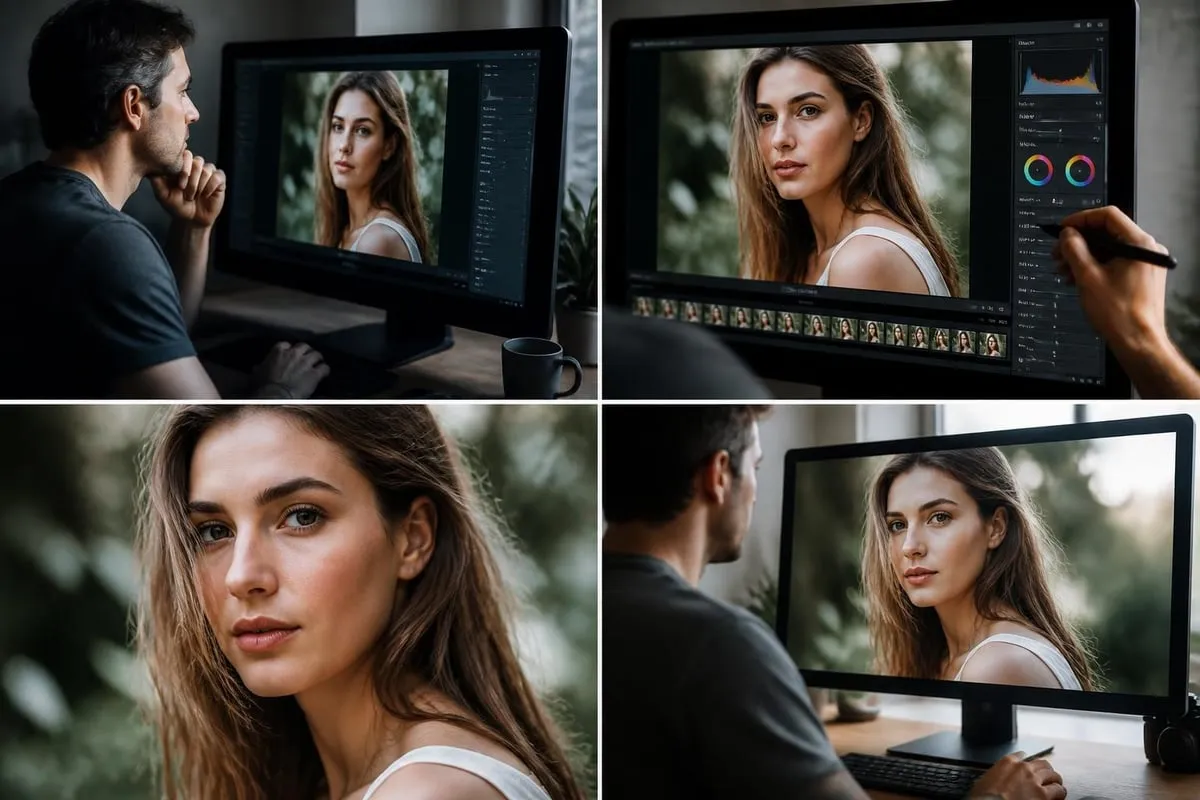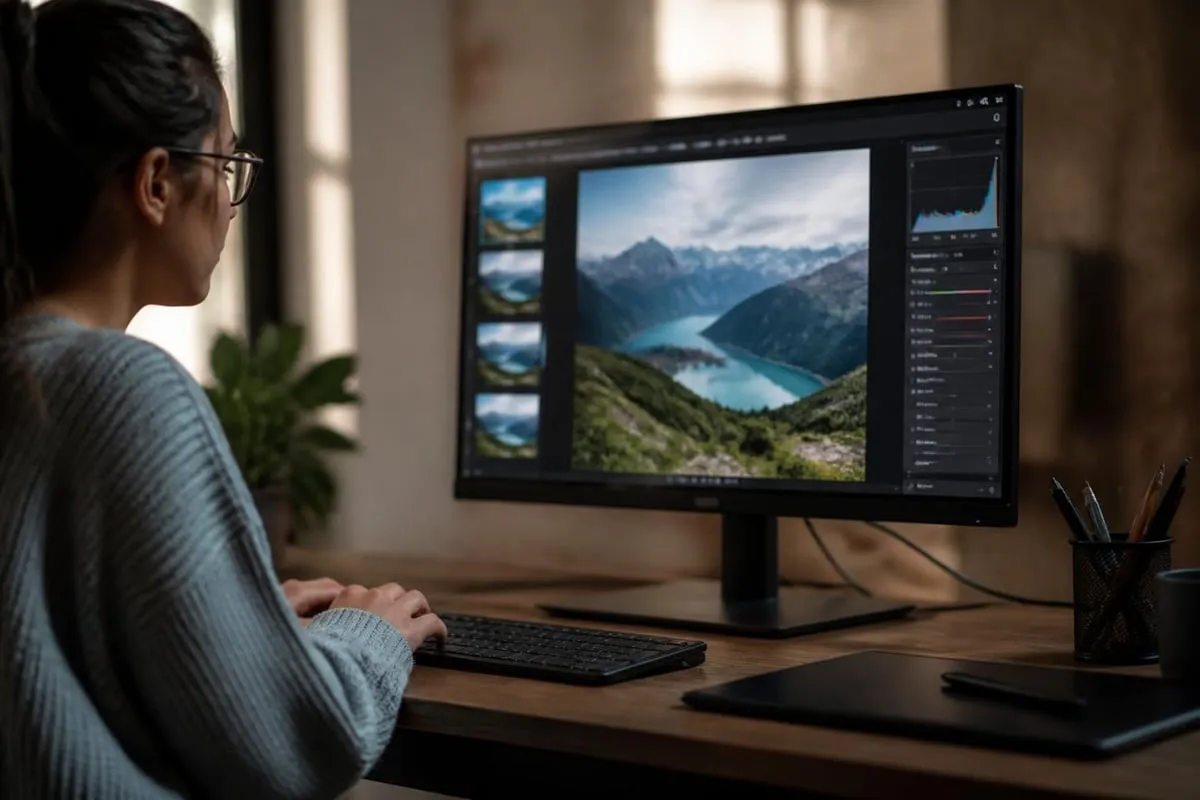
When selling products online, your photos can make or break a sale. Whether you're running an eCommerce store, launching a new product, or marketing on social media, high-quality images help build trust and increase conversions.
One common question business owners ask is:
"Should I hire a professional product photographer or take the photos myself?"
The answer depends on your budget, goals, product type, and desired image quality. In this guide, we'll compare DIY product photography and professional product photography so you can make the best decision for your business.
Why Product Photography Matters
Studies consistently show that shoppers rely heavily on visuals when making purchasing decisions. Clear, professional-looking images help customers understand the product, reduce uncertainty, and improve confidence in buying.
Benefits of Great Product Photography:
- Increases conversion rates
- Builds brand credibility
- Reduces product returns
- Improves social media engagement
- Enhances advertising performance
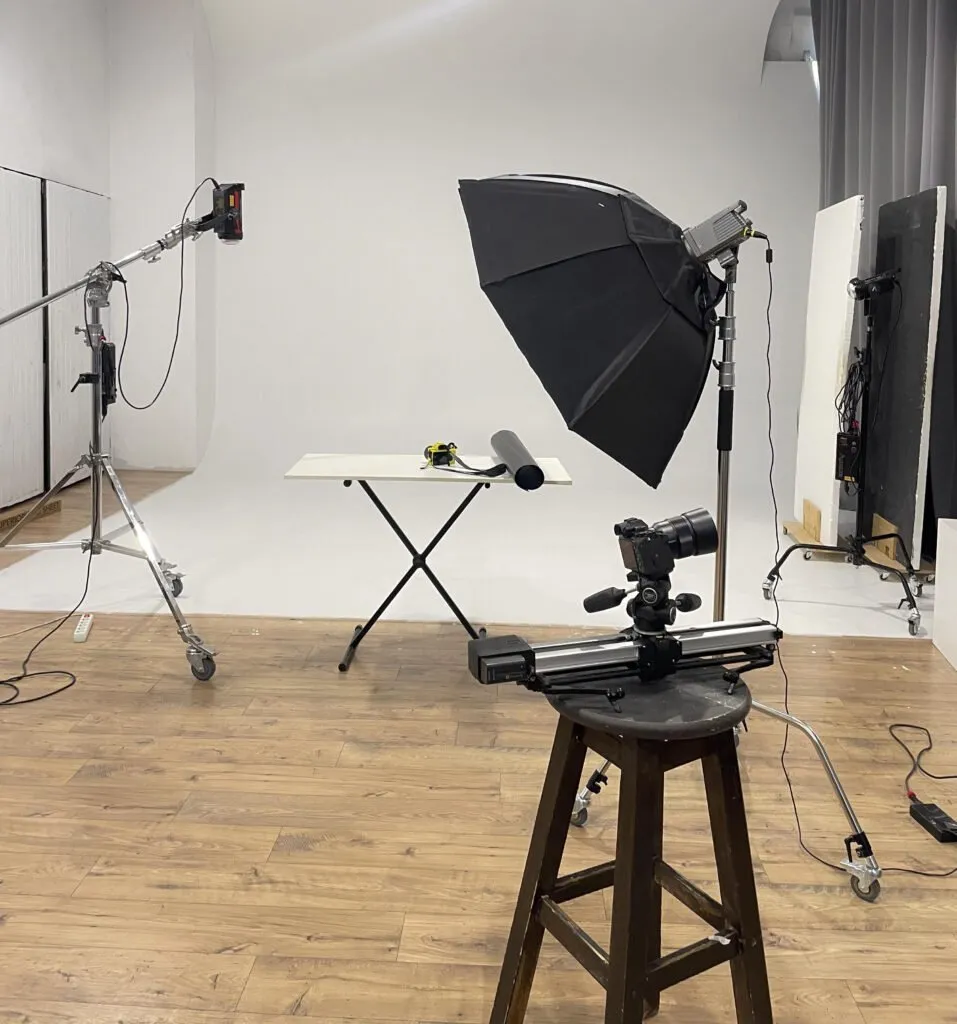
Alt Text: Professional product photography setup in a studio.
DIY Product Photography: Pros and Cons
Many small businesses start by photographing products themselves using a smartphone or basic camera.
Advantages of DIY Product Photography
1. Lower Cost
You avoid photographer fees and only need basic equipment such as:
- Smartphone or camera
- Tripod
- Lighting kit
- White backdrop
2. Faster Content Creation
Need new photos for social media today? DIY allows you to create content immediately.
3. Full Creative Control
You can experiment with different angles, backgrounds, and styles whenever you want.
Disadvantages of DIY Product Photography
1. Learning Curve
Good photography requires understanding:
- Lighting
- Composition
- Camera settings
- Photo editing
2. Time Intensive
A single product shoot can take several hours including editing.
3. Inconsistent Results
Without experience, product images may look less professional, affecting customer trust.
DIY Photography Is Best For:
- Startups with limited budgets
- New eCommerce stores
- Social media content creation
- Testing new products
Professional Product Photography: Pros and Cons
Hiring a professional photographer gives you access to specialized equipment, expertise, and post-production editing.
Advantages of Hiring a Product Photographer
1. Superior Image Quality
Professionals understand:
- Commercial lighting
- Product styling
- Color accuracy
- Retouching
The result is polished images ready for websites, catalogs, and advertising campaigns.
2. Stronger Brand Perception
High-end imagery instantly makes your business look more trustworthy and established.
3. Saves Valuable Time
Instead of spending days shooting and editing, you can focus on growing your business.
Disadvantages of Hiring a Professional
1. Higher Upfront Cost
Professional product photography typically costs more than a DIY setup.
2. Less Immediate Flexibility
Scheduling shoots may take time, especially for frequent product updates.
Professional Photography Is Best For:
- Established brands
- Luxury products
- Jewelry and watches
- Beauty products
- Large eCommerce catalogs
- Advertising campaigns
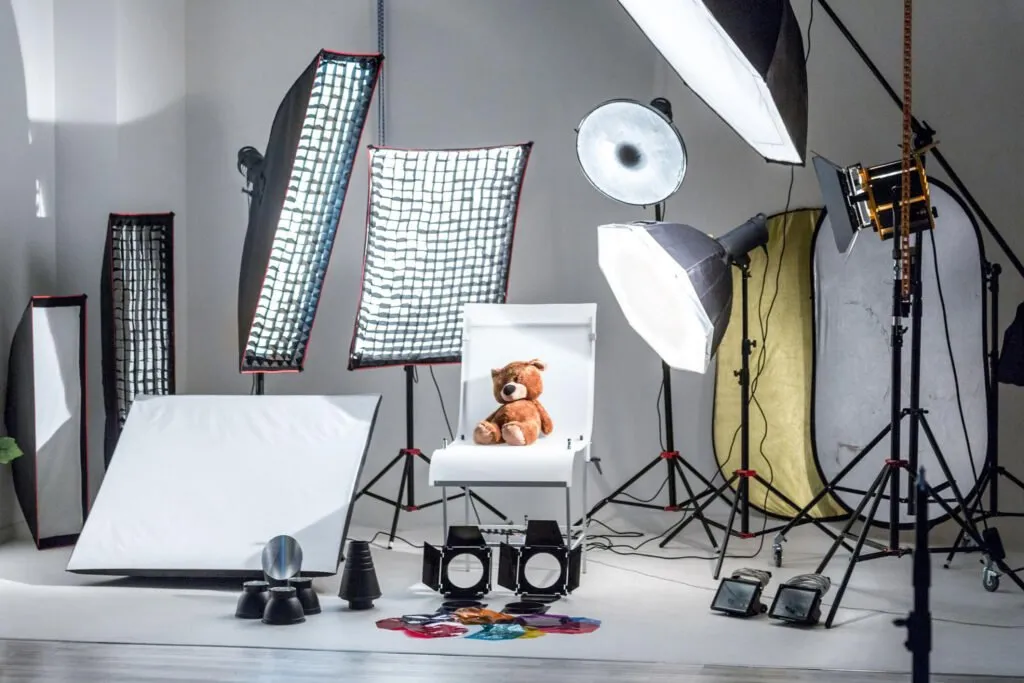
Alt Text: DIY product photography compared to professional product photography.
DIY vs Professional Product Photography Comparison
| Factor | DIY Photography | Professional Photography |
|---|---|---|
| Cost | Lower | Higher |
| Time Required | High | Low |
| Image Quality | Moderate | High |
| Consistency | Variable | Excellent |
| Learning Curve | Significant | None |
| Brand Impact | Moderate | Strong |
When DIY Photography Makes Sense
DIY photography is often the right choice when:
- You're launching a new business.
- Budget is limited.
- Products change frequently.
- Images are primarily for social media.
- You're comfortable learning photography skills.
If you're interested in improving your own photography, check out our guide on How to Build a Simple Product Photography Studio at Home.
When Hiring a Product Photographer Makes Sense
Hiring a professional is usually the better investment when:
- Your products have high profit margins.
- Visual presentation directly affects sales.
- You sell luxury or premium products.
- You need images for advertising campaigns.
- You want consistent branding across all channels.
For specialized products, read our article on Jewelry Product Photography Tips for Online Stores.
A Hybrid Approach: The Best of Both Worlds
Many successful businesses use a hybrid strategy.
They hire professionals for:
- Hero images
- Website photos
- Catalog photography
- Advertising campaigns
And create DIY content for:
- Instagram posts
- TikTok videos
- Behind-the-scenes content
- Product updates
This approach balances quality and cost while maintaining a steady flow of content.
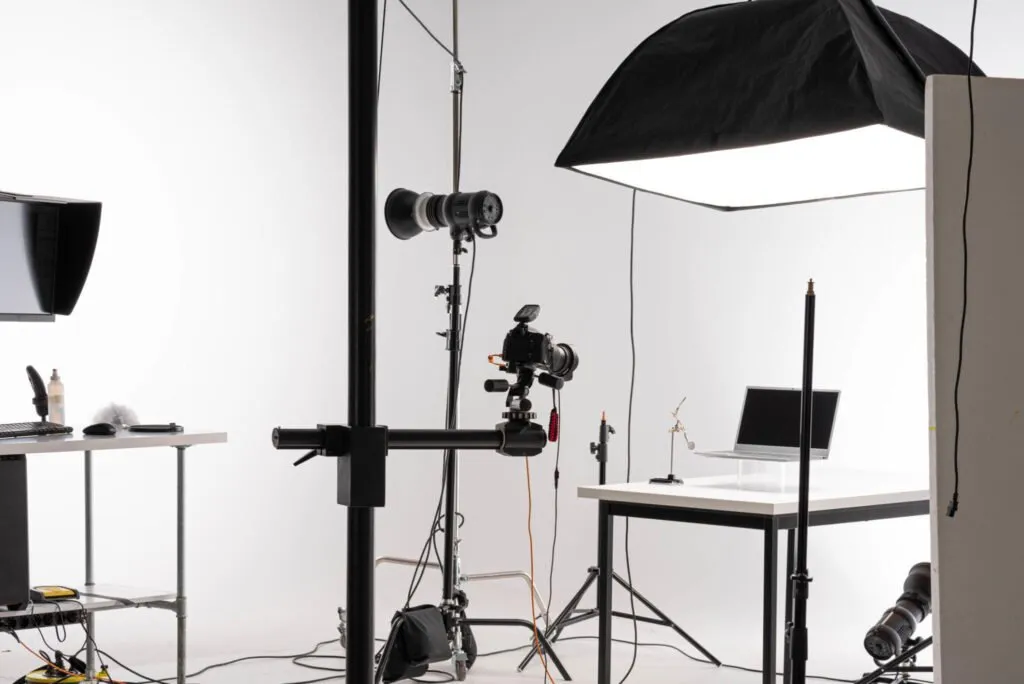
Alt Text: Combining DIY and professional product photography strategies.
Final Verdict: Should You Hire a Product Photographer or Do It Yourself?
If you're just starting out and working with a limited budget, DIY product photography can be an excellent way to learn and create content quickly.
However, if your goal is to maximize conversions, build a premium brand image, and compete with larger businesses, professional product photography is often one of the highest-return investments you can make.
Ultimately, the best choice depends on your budget, business stage, and marketing goals.
For many growing brands, the most effective solution is a combination of both.
Related Articles
- How to Build a Simple Product Photography Studio at Home (Internal Link)
- Jewelry Product Photography Tips for Online Stores (Internal Link)
- Best Lighting Setups for eCommerce Product Photography (Internal Link)
Related reading: