
We provide photo editing for manufacturers, wholesalers and export businesses across China, from Shenzhen electronics suppliers to Yiwu homeware exporters and Guangzhou apparel factories. Most of our Chinese clients share one problem: enormous product catalogues that need to look consistent across several marketplaces at once.
Built for large catalogues
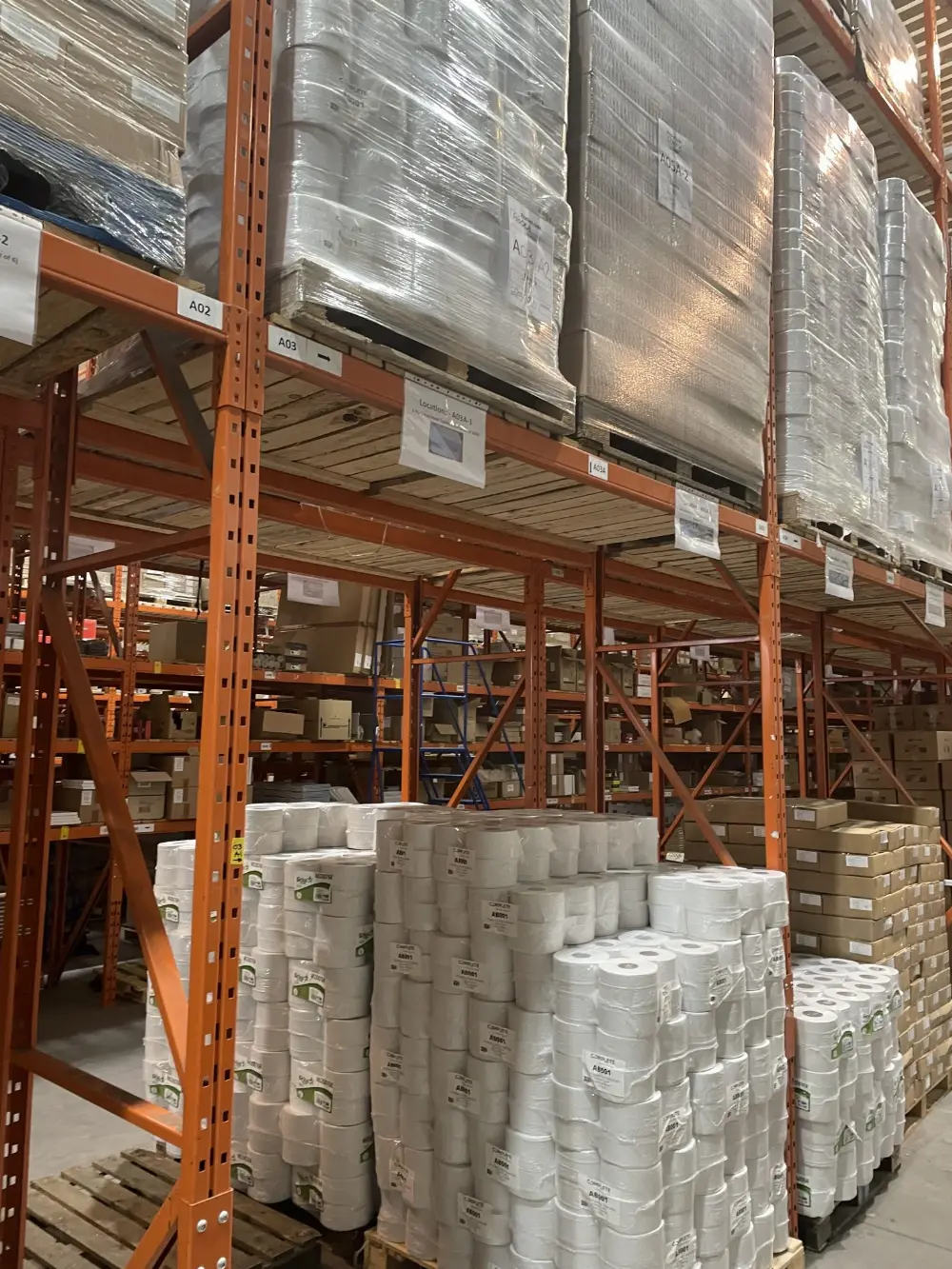
A factory listing on 1688 and Alibaba simultaneously may carry several thousand SKUs, often photographed in batches over months by different staff. The result is a catalogue where the same product category shifts in colour, background and framing from one listing to the next. We work through catalogues of this size in structured batches, matching white balance and background treatment across the whole set rather than editing images one at a time.
Volume pricing matters at this scale. Editing 50 images and editing 5,000 are different commercial problems, and we quote accordingly.
Marketplace requirements we handle daily
Alibaba, 1688, Taobao and Amazon each enforce different image rules. Amazon requires a pure white background with the product filling most of the frame. Taobao listings reward lifestyle context and vertical formats for mobile browsing. Getting these wrong means rejected listings or weak conversion.
We produce one edited master per product and derive the marketplace-specific versions from it, so a product looks consistent wherever a buyer finds it.

Same time zone, no overnight delay
Our studio is in Cebu, which shares China Standard Time. Files you send at the start of your working day are being edited during yours, not twelve hours later. For suppliers working to tight listing deadlines ahead of trade shows or shopping festivals, that removes a full day from the cycle.
Common requests from Chinese exporters
Background removal and replacement for marketplace compliance, ghost mannequin work for apparel, shadow and reflection creation to give flat product shots depth, colour accuracy so that a fabric or finish matches the physical sample, and batch resizing to each platform's required dimensions.
Colour accuracy deserves particular attention for export work. A buyer who receives goods that do not match the listing photograph raises a dispute, so we correct toward the real product rather than toward whatever looks most striking on screen.
Shopping festivals and trade shows set the pace
Chinese e-commerce runs on a calendar of major sales events. Singles' Day on 11 November and the mid-year 618 festival create enormous demand for fresh listing images in the weeks before they start, and the Canton Fair in Guangzhou brings its own rush of catalogue work for exporters meeting overseas buyers. These peaks are predictable, which means the editing can be planned rather than rushed.
The practical advice is to book large batches early. If you know a new range must be live before a festival, send the photographs as soon as they are shot, even if the listings are not finished. Editing is far easier to schedule a month ahead than a week ahead, and it leaves time for a second round of corrections if a supplier changes a colourway at the last minute.
Domestic platforms versus export marketplaces
Many Chinese businesses sell in two directions at once, and the two audiences expect different images.
Domestic platforms
Taobao, Tmall, JD.com and 1688 shoppers browse mostly on phones and are used to rich, information-dense listings. Main images often carry lifestyle context, and product detail pages run long, with close-ups, size guides and feature graphics stacked vertically. Images need to stay sharp and readable on a small screen, and the first image has to stand out in a crowded search result.
Export marketplaces
Buyers on Amazon, Alibaba.com and other cross-border platforms tend to expect clean, isolated product shots on white, consistent framing across a catalogue, and colour that matches the goods exactly. Overseas buyers cannot inspect a sample before ordering, so the photograph effectively becomes the specification.
Producing both looks from one edited master keeps the product recognisable in every channel and avoids paying for the same retouching twice.
How a large catalogue project works
A catalogue of several thousand images needs a process, not just a team of editors. A typical project runs like this:
1. Sample and style agreement
We edit a small sample from different product categories and agree the standard with you: background, margins, shadow, colour handling and output sizes for each marketplace.
2. Style guide
The agreed settings are written down as a style guide, so every editor on the project works to the same rules and new batches months later still match the first.
3. Batch editing
Images are processed in structured batches, grouped by product type and lighting, which keeps colour and framing consistent within each group.
4. Quality review
A second person checks each batch at full size for edges, colour and consistency before delivery, and flags any source images that are too poor to fix.
5. Delivery by marketplace
Files are named and organised so your team can upload them directly, with separate folders for each platform's required format.
How to prepare your photos
- Shoot each product against a plain, evenly lit background, even if it will be replaced later.
- Keep the camera, lighting and distance the same for a whole product range.
- Include a physical colour reference, or the actual sample, when colour accuracy matters.
- Send the highest-resolution files you have rather than images downloaded from a listing.
- Tell us every marketplace the images are for, so all versions can be produced at once.
- Name files with the SKU so edited images can be matched back to your product data automatically.
Walkthrough: editing a typical export product photo
To show what the work involves, here is how a typical product image from an electronics or homeware supplier is edited for an export marketplace. The original is usually a reasonable photograph taken on a light background in a small in-house studio, with some colour cast, dust and uneven framing.
Step 1: Assess the original
The editor checks sharpness, colour and whether the product is fully in frame. Images that are blurred or cropped too tightly are flagged straight away, because no amount of editing will fix them.
Step 2: Correct colour against the reference
White balance is neutralised first, then the product colour is compared with the reference you supplied. Plastics, painted metal and printed packaging all shift differently under studio light, so each is checked individually.
Step 3: Isolate the product
The product is separated from its background with a precise outline. Cables, small feet, gaps in handles and transparent parts are handled carefully, since these are where cheap cut-outs fail.
Step 4: Clean and refine
Dust, fingerprints, mould lines and small scuffs that would not be visible on the real product in a buyer's hands are removed. Genuine design features, logos and certification marks are left untouched.
Step 5: Background, shadow and framing
The product is placed on pure white with a soft, natural shadow, centred and sized consistently with the rest of the range.
Step 6: Export each version
From this master, the marketplace versions are exported at their required sizes, and a mobile-friendly variant is prepared for domestic platforms if needed.
Common mistakes in export catalogues
- Editing every image to look as bright and saturated as possible, which misrepresents colour and leads to disputes.
- Mixing background colours within one product range, which makes a catalogue look assembled from different suppliers.
- Uploading the same image to every platform, ignoring each marketplace's format and style.
- Removing details buyers need to see, such as ports, labels or texture.
- Leaving inconsistent product sizes in frame, so small items look large and large items look small.
Apparel exporters and ghost mannequin work
Apparel factories and wholesalers are among the biggest users of catalogue editing. Garments are usually photographed on a mannequin or flat, and both need careful work to look appealing online. Ghost mannequin editing removes the mannequin and adds the inside back of the neckline, so the garment looks worn without a model. Flat-lay images need creases reduced, edges straightened and colour matched to the fabric swatch.
For colour-sensitive fabrics, send the actual swatch reference or Pantone code with each style. Variations between colourways of the same garment are especially noticeable when buyers compare them side by side in a listing, so consistent correction across the whole range matters as much as the accuracy of each single image.
What affects price and turnaround
For catalogue work, the main factors are volume, the number of edits per image and the complexity of the products. Simple background removal on a box-shaped product is quick; reflective metal, transparent packaging and apparel needing ghost mannequin work take longer. Large and recurring orders are priced differently from one-off batches, and the turnaround is agreed per project based on volume and deadline. The most accurate way to get a figure is to send a representative sample with your expected monthly volume.
Quality checks before delivery
- Backgrounds are pure and even, with no grey patches or halos around the product.
- Colour matches the physical sample or reference you provided.
- Framing and product size are consistent across the whole range.
- Every marketplace version meets that platform's format requirements.
- File names match your SKUs, so nothing needs renaming before upload.
A sample brief for a catalogue batch
A short written brief saves time on every batch. A useful one for an export catalogue might read:
- Products: 400 kitchenware SKUs, photographed on light grey in our studio.
- Platforms: Amazon (white background), Alibaba.com and 1688.
- Background: pure white for Amazon and Alibaba.com, light lifestyle scene for 1688 main images.
- Colour: match the attached colour codes for each finish.
- Framing: product centred, consistent size across each category.
- File names: keep our SKU codes.
- Deadline: all images live two weeks before the November festival.
Services Chinese exporters use most
- E-commerce photo editing: catalogue standardisation and ghost mannequin work for apparel.
- Amazon photo editing: compliant white-background main images.
- Background removal: precise cut-outs for every marketplace.
- Shadow and reflection work: depth for flat product shots.
Key takeaways
- Large catalogues need a style guide and batch process, not one-off editing.
- Domestic and export platforms need different treatments from one master.
- Colour accuracy prevents disputes on export orders.
- Book editing early before festivals and trade fairs.
Frequently asked questions
Can you edit thousands of product images for one catalogue?
Yes. Large catalogues are handled in structured batches with a written style guide, so images edited weeks apart still match. Agree the standard on a sample first, then send the full catalogue in batches that suit your listing schedule.
Do you prepare images for both Taobao and Amazon?
Yes. We create one edited master per product and derive each marketplace version from it, such as a clean white-background image for Amazon and a mobile-friendly version for domestic platforms, so the product looks consistent everywhere.
How do you keep colours accurate for export orders?
We correct colour toward the real product rather than toward what looks most striking. Sending the physical sample's colour code, a reference photo under neutral light or a colour checker in the shot makes this far more precise.
Can you work to festival and trade show deadlines?
Yes, and planning ahead helps most. Tell us the date the images must be live, and send photographs as early as possible so editing and any corrections fit comfortably before the deadline.
What file formats do you deliver?
Usually high-quality JPG for marketplaces, PNG where a transparent background is needed, and layered files on request. Output sizes are set to each platform's requirements when you tell us where the images will be used.
Do you sign confidentiality agreements for new products?
Yes. Unreleased products and new designs are commercially sensitive, and we are happy to work under a confidentiality agreement. Images are used only for your project and are not shared.
Start with a free trial
Send three product images and tell us which marketplaces you list on. We will return them edited to those specifications so you can judge the quality against your own catalogue before committing to a larger batch.