
We edit for Danish webshops, furniture brands, design studios and photographers who need clean, restrained imagery that suits a Scandinavian visual language. Danish briefs tend to differ from the ones we receive elsewhere, and that shapes how we approach the work.
Restraint is the brief
Most markets ask us to make images punchier. Danish clients almost never do. The prevailing aesthetic favours natural light, muted palettes, honest materials and generous negative space. Oversaturated colour or heavy contrast actively damages a Danish brand's credibility.
In practice this means our editing is lighter: careful white balance so pale woods and off-whites stay accurate, restrained contrast that preserves texture in linen, oak and wool, and shadow work that reads as daylight rather than studio lighting.
Furniture and interiors
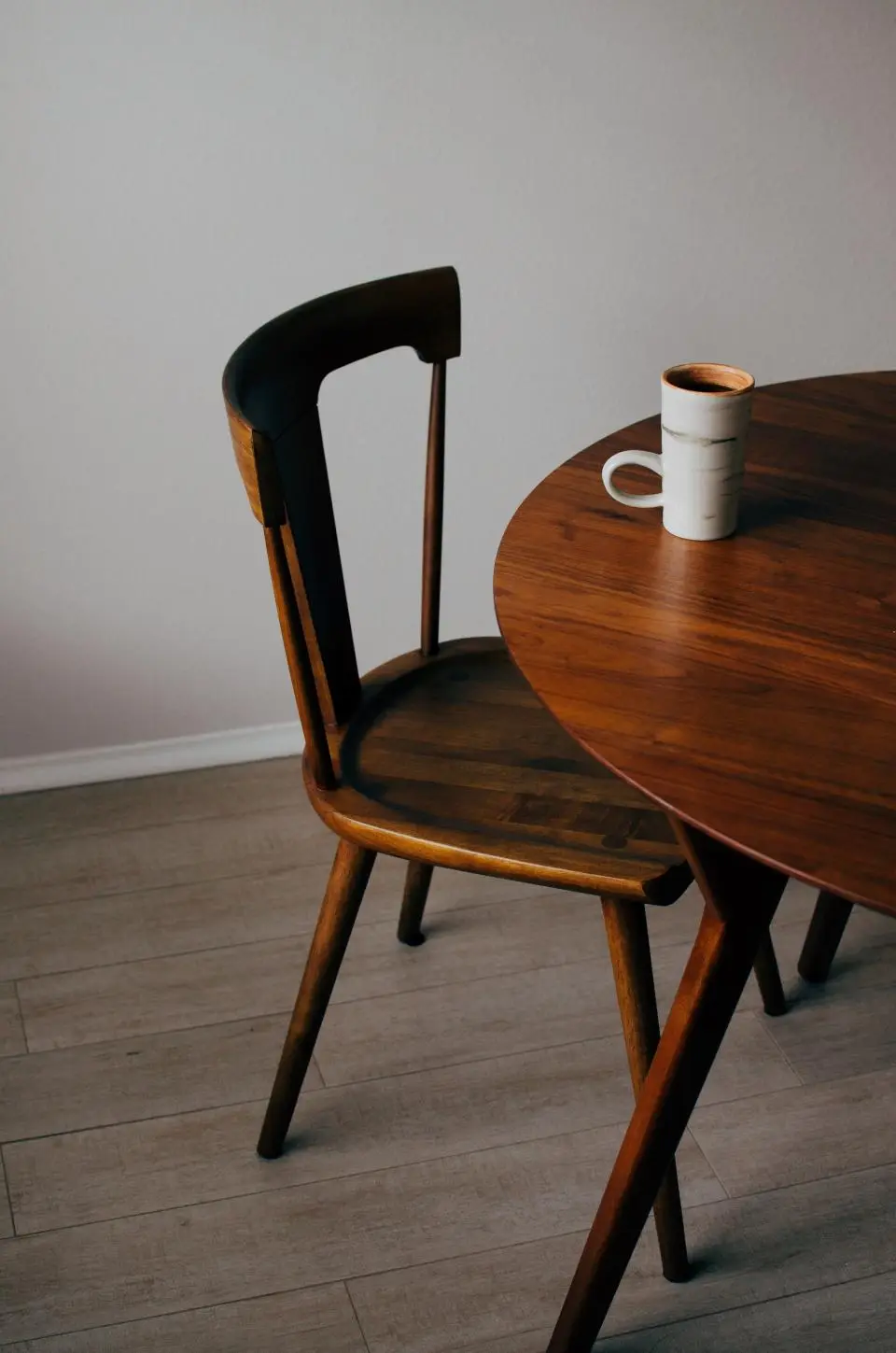
Furniture is a large part of our Danish workload, and it is unforgiving. Wood grain must stay visible rather than being smoothed away. Upholstery colour has to be accurate, because a sofa that arrives a different shade than the photograph is an expensive return. Metal and glass details need reflection work that looks incidental rather than staged.
For room sets we also correct verticals and remove distractions such as cables and wall fixings, while leaving the natural imperfections that make an interior feel real.
Webshop requirements across the Nordics
Danish webshops frequently sell into Sweden, Norway and Germany through the same catalogue, often alongside marketplace listings. That means one product needs a clean cut-out version for listings and a styled lifestyle version for the brand site, both recognisably from the same shoot.
We produce both from a single edited master so the colour and tone match, which is what keeps a catalogue looking coherent across channels.
Working across the time difference
Denmark sits six hours behind our Cebu studio for most of the year, and seven hours in winter. Files sent during a Danish afternoon are picked up the same evening our time and typically returned before the next Danish working day begins. For most projects this means a one-day cycle without anyone working unusual hours.
Designing for Scandinavian light
Denmark's light changes dramatically through the year, with long summer evenings and very short winter days. Product and interior photographs shot across different seasons can therefore look noticeably different from each other, even in the same location: summer images run bright and cool, while winter shoots often rely on artificial light with a warmer cast.
A big part of Danish editing work is bringing those images back into line, so a catalogue photographed over a whole year still reads as one collection. That means matching white balance to a consistent neutral, evening out brightness without flattening texture, and keeping whites and pale woods genuinely white rather than grey or yellow.
Fashion, homeware and design brands
Danish fashion and homeware brands typically favour calm, natural imagery that lets materials speak for themselves. Common editing requests include:
- Garment clean-up, removing creases, lint and loose threads while keeping the natural fall of the fabric.
- Ghost mannequin work for webshop product listings.
- Accurate colour for knitwear, linen and ceramics, where small shifts are very visible.
- Soft, natural shadows rather than hard studio shadows.
- Consistent cropping and margins across a collection.
The goal is images that look cared for but not over-produced, in keeping with the understated style Danish customers tend to trust.
How a project usually runs
1. Reference and brief
You share a few images and references from your own brand or others you admire, along with how the images will be used.
2. Test edit
We edit a small sample. Danish briefs often need several small adjustments to get the restraint exactly right, and this stage is where that happens.
3. Style guide
The agreed look, including white balance, contrast, shadow style and crops, is written down so every future batch matches.
4. Regular batches
New images are sent in batches and returned on a predictable schedule, ready for your webshop, marketplaces and campaigns.
5. Seasonal updates
When a new season or collection changes the look, the style guide is updated rather than starting from scratch.
How to prepare your photos
- Shoot a grey card or colour checker at the start of each session, especially when light changes during the day.
- Keep camera position and lens consistent for a product range.
- Send full-resolution files, ideally RAW for interior and furniture work.
- Note which images are for cut-outs and which are lifestyle images.
- Include the real product colour name or code when accuracy is critical.
Walkthrough: editing a furniture room set
Here is how a typical furniture room-set image is edited for a Danish brand's webshop and catalogue.
Step 1: Exposure blending
Where bracketed exposures were shot, they are blended so the window light, the room and the furniture are all correctly exposed without looking artificially bright.
Step 2: Verticals and perspective
Walls, doors and furniture legs are straightened so the room feels calm and architectural rather than tilted.
Step 3: Neutral whites and true colour
White walls and pale woods are neutralised, then fabric and wood colours are checked against the real products and adjusted only where needed.
Step 4: Distraction removal
Cables, sockets, scuffs and temporary marks are removed, while the natural character of the room and materials is kept.
Step 5: Light and shadow
Shadows are softened or extended so they read as daylight, keeping the gentle, natural feel typical of Scandinavian interiors.
Step 6: Crops and versions
Wide, square and vertical crops are prepared for the webshop, social media and catalogue from the same edited image.
Common mistakes in Nordic product imagery
- Over-brightening, which turns pale woods and off-white textiles into flat white.
- Heavy contrast that hides the texture of wool, linen and oak.
- Warm colour casts from winter studio light left uncorrected.
- Hard studio shadows that clash with a natural daylight aesthetic.
- Cut-out and lifestyle versions of the same product that do not match in colour.
Accuracy, returns and trust
Customers buying furniture, textiles and homeware online cannot touch or see the real colour before it arrives, so the photograph effectively sets their expectations. When a sofa or rug arrives in a different shade from the image, the result is an expensive return and a less trusting customer.
That is why accuracy is treated as more important than impact in Danish work. We would rather deliver an image that looks slightly quieter but true to the product than one that looks striking on screen and disappoints on delivery. For brands, this approach tends to protect margins as well as reputation, since fewer returns means less logistics cost on bulky items.
When you send work, include anything that helps us judge accuracy: colour names, swatches, or a reference image taken in neutral daylight. The more we know about the real product, the closer the final image will be.
What affects price and turnaround
The main factors are the type of editing and the volume. Simple cut-outs for webshop listings are quicker than furniture room sets that need vertical correction, distraction removal and careful colour work. Regular monthly volumes are priced differently from occasional projects, and turnaround depends on batch size and complexity. Share a representative sample and your expected volume for an accurate quote.
Quality checks before delivery
- Whites and pale materials are neutral, not grey, blue or yellow.
- Wood grain, weave and texture are preserved, not smoothed away.
- Colour matches the real product across every image of it.
- Shadows look like soft daylight and are consistent across the set.
- Cut-out and lifestyle versions match each other in tone.
Honest imagery and sustainability
Many Danish brands put sustainability, durability and responsible materials at the centre of their story. Imagery plays a part in that message. Heavily manipulated photographs, artificial colours and impossible perfection sit awkwardly beside claims about honest materials and long-lasting design.
Editing that supports a sustainability message tends to be light and transparent: it removes dust, cables and distractions, corrects colour so materials look as they really are, and leaves visible the natural knots in wood, the slub in linen and the variation in handmade ceramics. Customers who value those qualities want to see them, and they are part of what makes the product worth buying.
Questions to ask before outsourcing
Danish brands are rightly protective of their visual identity. Before choosing any editing partner, it is worth asking:
- Can you show restrained, natural editing, not just high-contrast commercial work?
- How do you keep whites and pale woods neutral across large batches?
- Will you test our style on a sample before we commit?
- How do you handle seasonal changes in light across a catalogue?
- How are revisions handled when the difference is subtle?
A sample brief
For example: twenty lifestyle images of oak dining furniture shot in our showroom; keep natural daylight feel; neutral whites, no added contrast; preserve wood grain; remove cables and wall sockets; soft daylight shadows only; deliver 3:2 for the webshop and 4:5 for Instagram; file names unchanged.
Services Danish businesses use most
- E-commerce photo editing: clean webshop product images and ghost mannequin work for fashion.
- Background removal and replacement: precise cut-outs for marketplaces and catalogues.
- Shadow and reflection work: soft, natural shadows that suit a daylight aesthetic.
- Interior and property editing: vertical correction, exposure blending and distraction removal for room sets.
- Fashion photo editing: garment clean-up and accurate fabric colour for apparel brands.
Key takeaways
- Danish briefs reward restraint: neutral whites, preserved texture and soft daylight shadows.
- Seasonal light changes need correcting so a year-round catalogue looks consistent.
- Colour accuracy protects margins on bulky, costly-to-return products.
- One edited master keeps cut-out and lifestyle versions matched across channels.
- A short written brief with reference images is the fastest way to get the restrained look right first time.
Frequently asked questions
Can you edit in a minimal Scandinavian style?
Yes. Danish and Nordic briefs usually call for light, natural editing: accurate whites, restrained contrast, preserved texture and soft shadows. We agree the exact level of restraint on a test edit before regular work begins.
Do you edit furniture and interior photography?
Yes, including vertical correction, distraction removal, accurate upholstery and wood colour, and reflection work on glass and metal details, while keeping the room looking natural and true to life.
Can one shoot cover both our webshop and marketplaces?
Yes. We create a clean cut-out version and a styled lifestyle version from one edited master, so the colour and tone match across your own site and any marketplace listings.
How do you handle images shot in different seasons?
We match white balance, brightness and contrast to an agreed standard so images shot in bright summer light and dim winter conditions sit together as one consistent catalogue.
What is the time difference with Denmark?
Our Cebu studio is six hours ahead of Denmark for most of the year and seven hours ahead in winter, so files sent during a Danish afternoon can usually be returned before the next Danish working day.
Do you work in English?
Yes. All communication and briefs are in English, which most Danish brands use comfortably for international suppliers. Reference images are often the clearest way to show the exact look you want.
Can you edit images for German and Swedish markets too?
Yes. If you sell across the Nordics and Germany, we prepare every version from the same edited master so your products look identical in each market.
See it on your own products
Send three images and a reference showing the look you want. We will edit them to match, and you can judge whether our restraint matches yours before committing to a catalogue.