
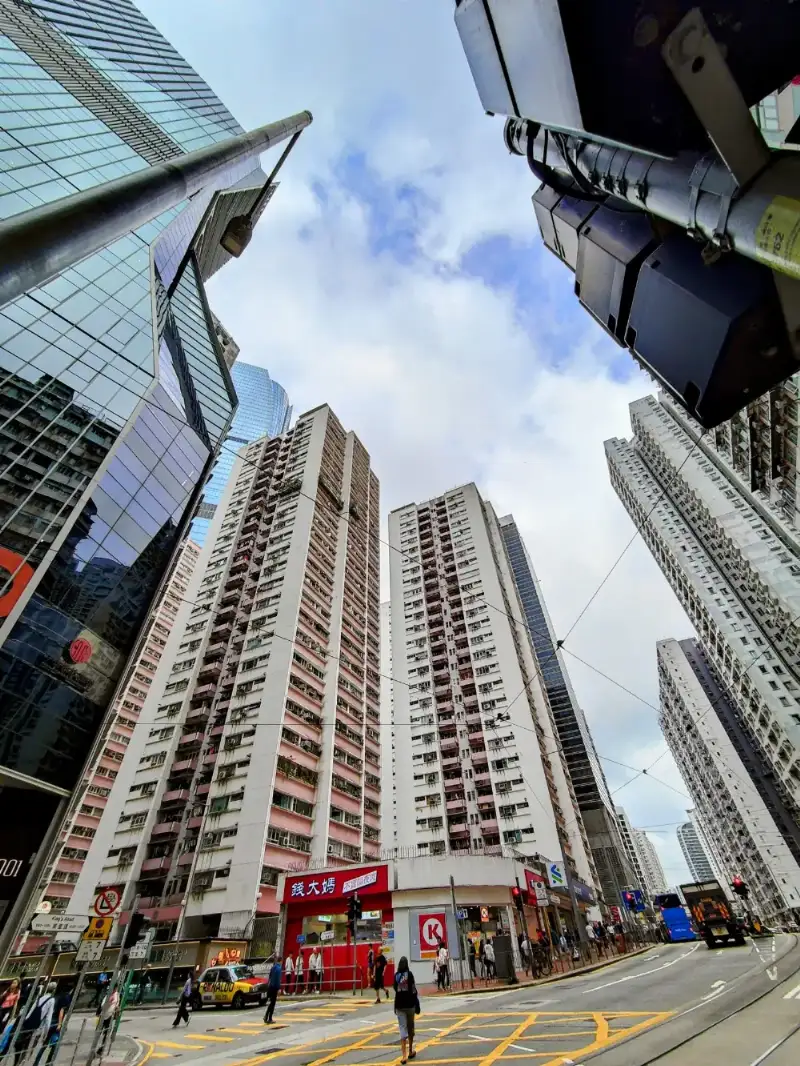
Hong Kong clients come to us mainly from three directions: trading and sourcing companies with large mixed catalogues, the watch and jewellery trade, and e-commerce brands selling into mainland China and internationally at the same time.
This guide covers watch and jewellery retouching, standardising supplier catalogues, preparing images for both Western and mainland platforms, editing electronics and gadgets, and planning around trade fair deadlines, with a step-by-step watch editing example and answers to common questions from Hong Kong businesses.
Watches and jewellery
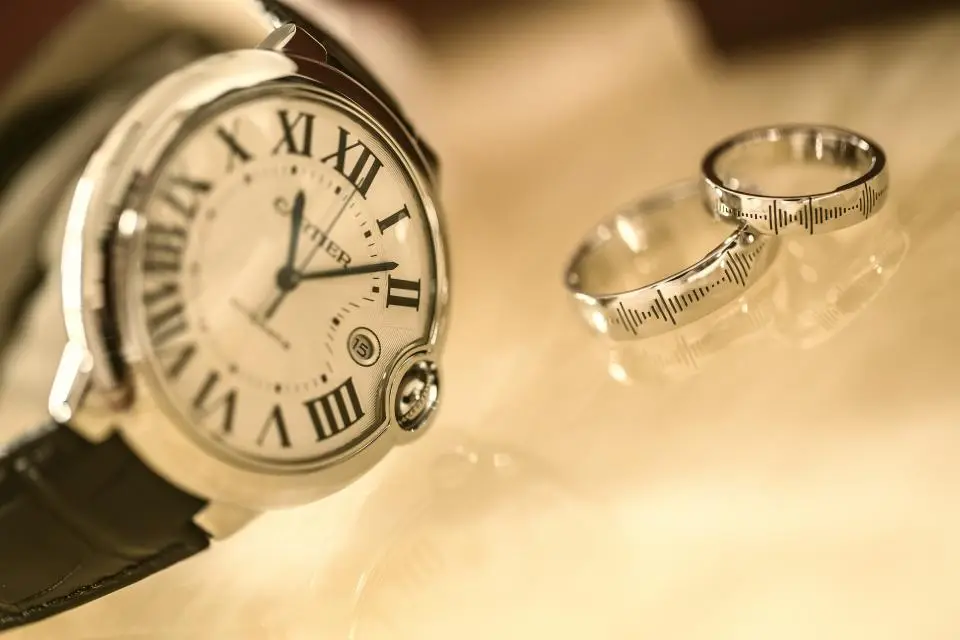
Watch photography is among the most demanding product work there is. A polished case reflects the entire studio, dials carry fine printing that disappears if an image is over-sharpened or over-smoothed, and sapphire crystal produces reflections that have to be controlled rather than removed entirely, or the watch stops looking like glass.
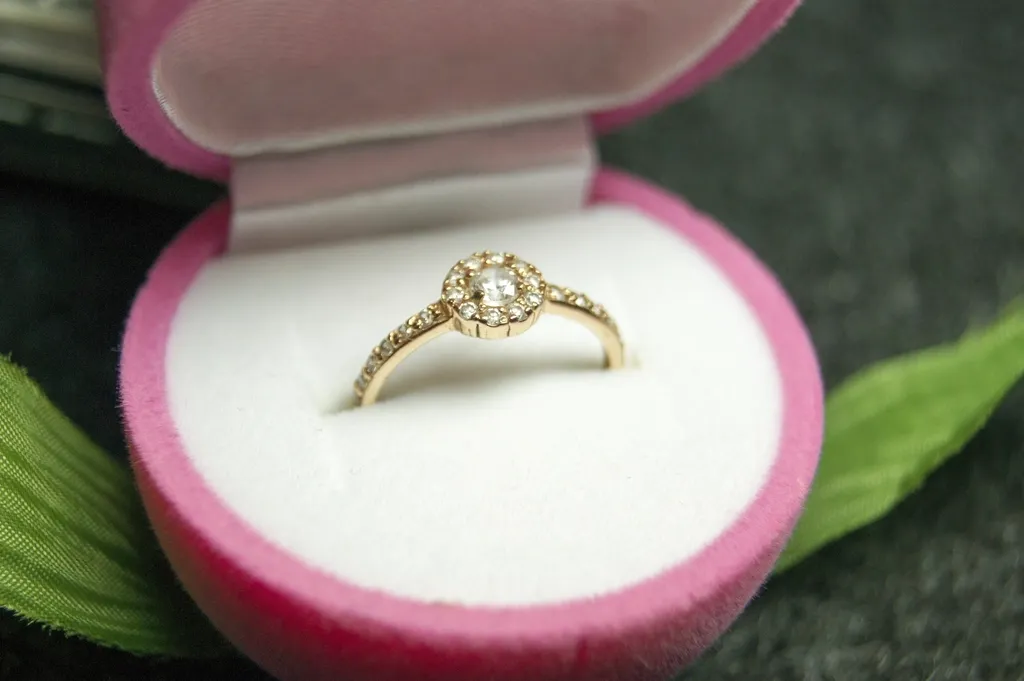
We handle dial cleanup, bracelet and case reflection control, and the precise masking that lets a watch sit convincingly on a new background. The same care applies to jewellery: preserving the facets and sparkle that justify the price rather than flattening stones into bright shapes.

Trading and sourcing catalogues
Sourcing companies often receive supplier photographs of wildly inconsistent quality, then need to present them as a coherent catalogue to overseas buyers. This is less about glamour and more about standardisation: uniform backgrounds, consistent scale and framing, and colour that accurately represents what will actually ship.
We process these in batches and flag images that are too poor to rescue, so you know which products genuinely need rephotographing rather than discovering it after a buyer complains.

Selling into two markets at once
Many Hong Kong brands list simultaneously on Western platforms and mainland Chinese ones, and the image conventions differ. Western marketplaces favour clean isolated products on white. Mainland platforms reward denser, information-rich imagery with text overlays and lifestyle context.
We produce both treatments from one edited master so the product reads consistently regardless of where a customer encounters it.
No time difference
Hong Kong and Cebu share the same time zone. There is no overnight lag and no awkward scheduling: you can send files, ask a question and get an answer inside the same working day, which matters when a listing deadline is hours away rather than days.
Trade fair season and buyer catalogues
Hong Kong is a major venue for international trade fairs, including large jewellery, watch and electronics shows that bring buyers from around the world. For exporters and trading companies, these events drive intense demand for catalogue images, printed brochures and updated product pages in the weeks beforehand.
The practical advice is to edit catalogue images well before the fair rather than in the final week. Buyers increasingly review products online before and after meeting suppliers, so clean, consistent images keep working long after the booth is packed away. Planning ahead also leaves time to reshoot any products whose original photographs cannot be rescued.
Watch photography in more detail
Watches deserve their own attention, because small errors are obvious to collectors and buyers:
- Dial printing, indices and logos must stay crisp and legible, never smudged or over-sharpened.
- Hands should be set in a consistent position across a catalogue, often adjusted in editing.
- Case and bracelet reflections are shaped to show the form of polished and brushed metal.
- Crystal reflections are reduced but kept, so the glass still reads as glass.
- Dust inside and outside the crystal is removed, since it is very visible at full zoom.
The same care applies to fine jewellery. Our guide to jewellery retouching services explains the individual edits involved, from diamond polishing to reflection masking.
How a project usually runs
1. Sample and requirements
You send sample images and tell us where they will be used: Western marketplaces, mainland platforms, print catalogues or your own site.
2. Test edit
We edit the samples to each required style so you can compare them side by side.
3. Style guide
The agreed settings for backgrounds, colour, crops and output sizes are recorded for every future batch.
4. Batch processing
Catalogue images are edited in batches, with any images too poor to rescue flagged early.
5. Delivery by channel
Files are organised by platform and named to match your product codes for quick upload.
How to prepare your photos
- Send the original supplier files rather than images copied from websites or chat apps.
- Include product codes in file names so edited images can be matched to your data.
- For watches and jewellery, note the metal colour and any stones that need special care.
- Tell us every platform the images are for, so all versions are produced together.
- Share your trade fair or launch dates so the schedule can be planned around them.
Walkthrough: editing a luxury watch image
Here is how a typical luxury watch photograph is edited for a Hong Kong retailer's catalogue and website.
Step 1: Remove dust and marks
Dust on the crystal, dial and bracelet is removed, along with fingerprints and fine handling marks.
Step 2: Set the hands
If needed, the hands are adjusted to a consistent position, so every watch in the catalogue is presented the same way.
Step 3: Dial clarity
Dial printing, indices and logos are refined so they are crisp and legible without looking over-sharpened.
Step 4: Reflections
Reflections on the case, bracelet and crystal are shaped to show polished and brushed finishes, with studio equipment removed.
Step 5: Background and shadow
The watch is placed on a clean background with a soft shadow, consistent across the collection.
Step 6: Outputs
Images are exported for the website, marketplaces and print catalogues, including high-resolution versions for zoom.
Common mistakes in trading and luxury catalogues
- Supplier images with mixed backgrounds and lighting presented together in one catalogue.
- Over-sharpened dials where fine printing breaks up into noise.
- Crystal reflections removed entirely, so the watch looks like it has no glass.
- Colour differences between images of the same product on different platforms.
- Low-resolution images that cannot support zoom on product pages.
Working with mixed supplier imagery
Trading and sourcing companies in Hong Kong often act as the bridge between many factories and overseas buyers. The images arriving from suppliers vary enormously: some are professional, many are taken quickly on phones, and few share the same background, angle or lighting.
The aim of editing here is a catalogue that looks like it came from one company. Products are given the same background, size in frame, shadow style and colour handling, and any images that cannot reach the standard are flagged so suppliers can be asked for better photographs.
Over time it is worth sharing simple shooting guidelines with your suppliers, covering background colour, angle and resolution. Better source images reduce editing time and cost, and make every new product easier to add to the catalogue consistently.
What affects price and turnaround
Price depends on the type of editing, the complexity of the products and the volume. Watches and fine jewellery need more detailed work per image than standard catalogue products, while large sourcing catalogues benefit from batch pricing. Turnaround is agreed per project based on volume and deadlines, and being in the same time zone means questions and revisions can be handled within the same working day. Send a representative sample for an accurate quote.
Quality checks before delivery
- Dial and case details on watches are sharp and legible.
- Reflections show the shape of the product without studio equipment visible.
- Colours match the real product across every image.
- Backgrounds and framing are consistent across the catalogue.
- Each platform version meets that platform's requirements.
Electronics and gadget photography
Electronics and accessories are a large part of many Hong Kong trading catalogues, and they come with their own editing challenges. Glossy black plastic shows every speck of dust and fingerprint. Screens reflect the studio and need either a clean black finish or a realistic screen image added. Small ports, buttons and labels must stay sharp, because buyers check them to understand compatibility and features.
Typical edits include:
- Removing dust, fingerprints and mould lines from glossy surfaces.
- Cleaning or replacing screen content, clearly representing what the product actually displays.
- Keeping ports, buttons and printed specifications crisp and legible.
- Consistent angles and lighting across a product family, so variants are easy to compare.
Accuracy matters as much here as for luxury goods: an image that suggests a feature the product does not have creates returns and disputes. For product families with many colour variants, editing every variant against the same reference keeps them easy to compare side by side on a listing page.
Questions to ask any editing partner
For trading companies and luxury brands, these questions help separate capable partners from the rest:
- Can you show watch and jewellery retouching at full zoom?
- How do you standardise mixed supplier images into one catalogue?
- Can you produce Western and mainland versions from one master?
- How quickly can revisions be returned during a trade fair rush?
- How are confidential product images stored and handled?
A sample brief
For example: 150 supplier images of mixed homeware for our autumn buyer catalogue; pure white background; consistent product size by category; colour matched to supplier swatches; flag any images too poor to use; print-ready files for the catalogue plus web sizes; file names by item code; all ready one week before the fair.
Services Hong Kong businesses use most
- Jewellery and watch editing: dust removal, reflection control and stone enhancement.
- Background removal: precise masking for consistent catalogues.
- E-commerce photo editing: standardised product images for marketplaces and buyer catalogues.
- Amazon photo editing: compliant main images for Western marketplaces.
- Shadow and reflection work: natural depth for luxury products.
Key takeaways
- Watches and jewellery need detail-level retouching that holds up at full zoom.
- Standardising supplier images makes a trading catalogue look like one company.
- Western and mainland platforms need different treatments from one master.
- Sharing a time zone means same-day questions and revisions.
Frequently asked questions
Do you edit watch photography?
Yes. Watch work includes dial clean-up, keeping printing crisp, controlling reflections on cases, bracelets and crystals, and removing dust, so the watch looks premium and accurate at full zoom.
Can you standardise supplier photos for a sourcing catalogue?
Yes. We give mixed supplier images uniform backgrounds, consistent framing and accurate colour, and flag any images that are too poor to fix so you know which products need reshooting.
Can you prepare images for both Western and mainland platforms?
Yes. From one edited master we produce clean white-background images for Western marketplaces and richer, mobile-friendly versions for mainland platforms, so the product looks consistent everywhere.
Is there a time difference with Hong Kong?
No. Hong Kong and our Cebu studio share the same time zone, so questions and revisions can be handled within the same working day.
Can you meet trade fair deadlines?
Yes, especially when we know the date early. Send images as soon as they are available, and we will plan the editing so catalogues and brochures are ready in time.
Do you keep product images confidential?
Yes. Images are used only for your project and never published or shared, and we can work under a confidentiality agreement for unreleased products.
Can you prepare print-ready catalogue files?
Yes. Tell us the print sizes and we will deliver high-resolution files for catalogues and brochures, alongside the web versions.
Send three to start
Give us three images from your current catalogue along with the platforms you sell on. We will return them edited to those requirements so you can compare directly against your existing process.