
Korean clients bring the most exacting briefs we receive. Beauty and cosmetics brands, fashion labels and e-commerce sellers on Coupang, Naver Smart Store and Gmarket all work to a visual standard that leaves very little margin for sloppy retouching.
This guide covers detail-page editing for Korean platforms, cosmetic packaging and beauty retouching, fashion fabric and fit shots, preparing images for overseas marketplaces, a step-by-step cosmetic editing example and answers to the questions Korean brands ask most often.
Beauty and cosmetics
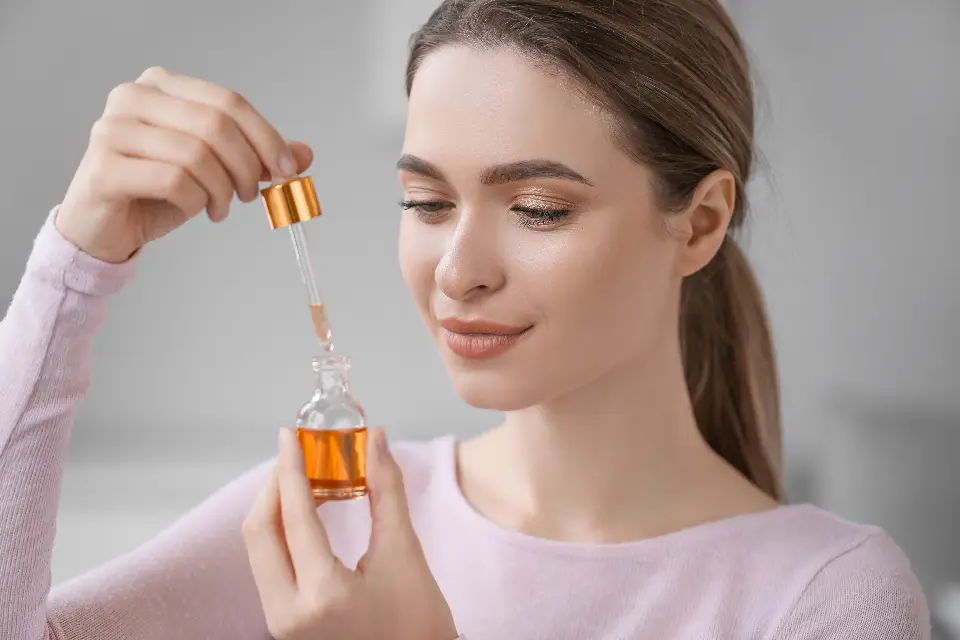
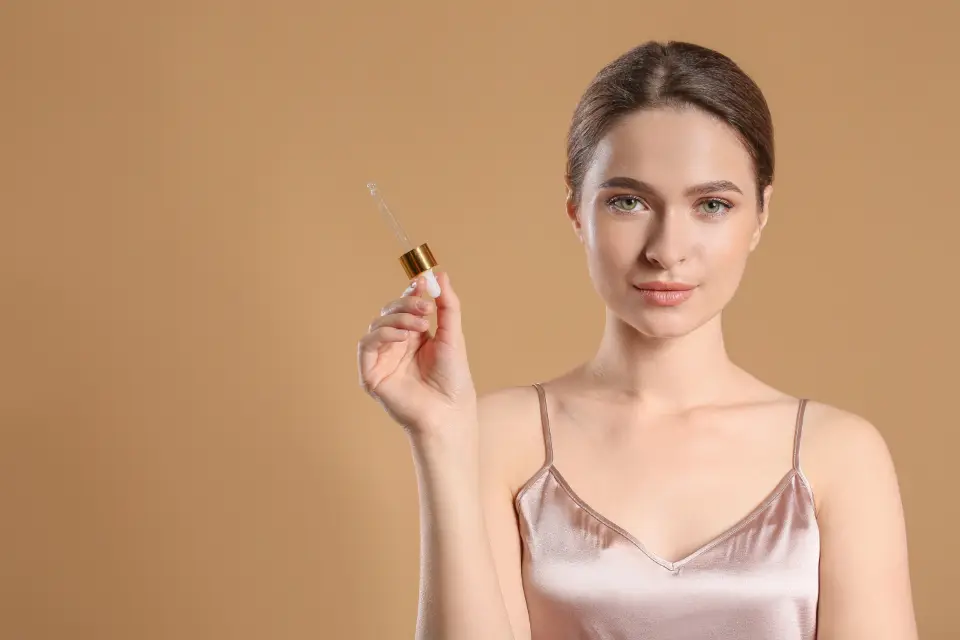
K-beauty product photography has conventions that are specific and strictly observed: clean bright presentation, accurate product colour, flawless packaging with no dust or fingerprints, and skin retouching that looks refined without erasing texture entirely.
Packaging work is deceptively difficult. Cosmetic containers are frequently glossy, reflective or transparent, and often all three. Glass droppers, frosted bottles and metallic caps each need different handling to look premium rather than plasticky. Colour accuracy is critical too, since a foundation or lipstick shade that misrepresents the actual product generates returns and complaints.
Fashion and apparel
Korean fashion e-commerce relies on long-form listing pages with many images per product. That means a single item might need forty or fifty edited photographs covering details, fabric texture, fit and styling, all consistent in tone.
We do ghost mannequin work, garment shape correction, fabric texture preservation and the model retouching these listings expect, keeping a consistent look across the whole sequence rather than editing each shot independently.
Platform conventions
Coupang, Naver and Gmarket each have their own image specifications and their own browsing behaviour. Korean listing pages tend to be considerably longer and more image-dense than Western equivalents, with detail shots and information graphics that Western catalogues rarely include.
We prepare images sized and formatted for each platform from a single edited master, so quality holds across all of them.
One hour ahead
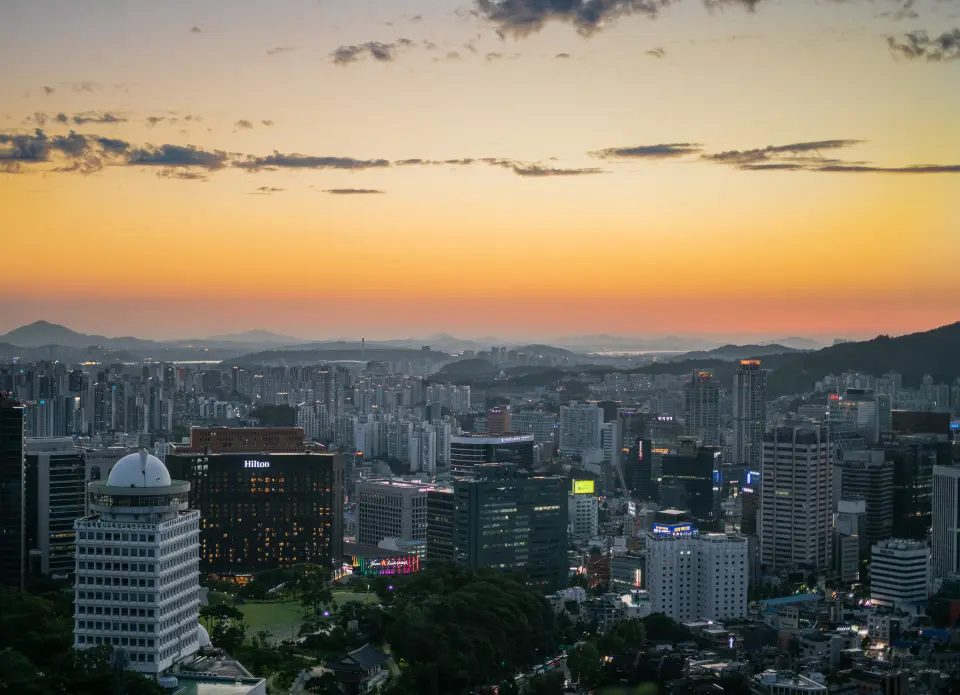
Korea runs one hour ahead of our Cebu studio, so we are working through almost exactly the same business day. Revisions can be discussed and returned within hours rather than across an overnight gap, which matters given how iterative Korean brand work tends to be.
Detail pages and the Korean listing format
Korean e-commerce is known for long product detail pages that combine many photographs with design elements, explanatory graphics and close-ups. A single listing on platforms such as Coupang, Naver Smart Store, Gmarket, 11st or fashion-focused Musinsa may scroll through dozens of images, each needing to match the others in colour, brightness and style.
For editing, this means thinking in sequences rather than single images. The hero shot, texture close-ups, model images and packaging details all have to look as if they came from one carefully planned shoot. We edit a full sequence together against one reference, rather than retouching images separately and hoping they match.
Beauty retail and product launches
K-beauty brands launch new products and seasonal editions frequently, and products often appear across the brand's own store, marketplaces, health and beauty retailers such as Olive Young, and overseas cross-border platforms at the same time. Each channel has its own image sizes and styles, but the product colour and packaging must look identical everywhere.
Common beauty edits include removing dust and fingerprints from glossy packaging, refining reflections on glass and metallic caps, keeping printed text sharp and legible, matching product shades accurately, and producing texture shots such as cream swatches and serum drops that look clean but believable.
Model retouching for Korean brands
Korean fashion and beauty imagery tends to favour a bright, clean and polished look, but leading brands increasingly avoid retouching that removes all natural skin texture. We aim for refined skin, even tone and tidy hair while keeping the person recognisable and real, and we match the exact level of retouching to your brand's references.
How a project usually runs
1. References and specifications
You send sample images, your brand references and the platform specifications you work to.
2. Test edit
We edit a short sequence, such as a hero image, a close-up and a model shot, so you can judge consistency, not just single images.
3. Revisions
Korean brand work is often refined over a few rounds. Because we work almost the same hours, revisions can be returned within the same day.
4. Style guide
The final standard is recorded so every future product and season matches.
5. Delivery by platform
Files are exported at each platform's sizes and organised for your design team to build detail pages quickly.
How to prepare your photos
- Send full-resolution or RAW files, especially for packaging and texture shots.
- Include the official product colour or shade name for accurate matching.
- Group images by product so whole sequences are edited together.
- Share brand reference images showing your preferred retouching level.
- List every platform and size you need, including any cross-border stores.
Walkthrough: editing a cosmetic product image
Here is how a typical cosmetic product photograph is edited for a Korean brand's detail page.
Step 1: Clean the packaging
Dust, fingerprints and tiny scratches are removed from glossy, frosted and metallic surfaces.
Step 2: Shape reflections
Reflections on glass and metal are refined so the packaging looks premium, with no studio equipment visible.
Step 3: Sharpen print
Logos, product names and ingredient text are kept sharp and legible.
Step 4: Match the shade
The product colour and any visible formula are matched exactly to the official shade.
Step 5: Background and shadow
A clean background and soft shadow are applied, consistent with the rest of the line.
Step 6: Export for each channel
Images are exported at the sizes needed for the brand store, marketplaces and cross-border platforms.
Common mistakes in Korean e-commerce imagery
- Detail-page images that do not match in colour or brightness from one section to the next.
- Packaging with visible dust, fingerprints or studio reflections.
- Product shades that do not match the real formula, leading to complaints.
- Over-smoothed skin that conflicts with natural beauty positioning.
- Printed text that becomes blurry after resizing for different platforms.
Selling Korean products overseas
Many Korean brands now sell internationally through cross-border platforms, global marketplaces and their own international stores. Overseas customers often discover products online first, so images have to work for audiences who may not read Korean and who compare products from many countries.
That usually means adapting rather than simply reusing domestic detail pages. International marketplaces often prefer clean main images on white, fewer text-heavy graphics and clear close-ups that explain the product visually. The product itself, including its colour, packaging and texture, must still look exactly the same as in your Korean listings.
We prepare both versions from one edited master, so the product stays consistent while the presentation suits each market. This approach also makes it easier to launch in new countries, since the core images are already edited to a high standard and only the layout needs to change.
What affects price and turnaround
Price depends on the type of retouching, the number of images per product and the overall volume. Glossy, transparent and metallic packaging takes more time than simple boxes, and model retouching varies with the level of detail required. Long detail-page sequences are often priced as a set, and turnaround is agreed per project, with same-day revisions possible thanks to the small time difference. Send a sample sequence for an accurate quote.
Quality checks before delivery
- Product shades match the real product exactly.
- Packaging is free of dust, fingerprints and distracting reflections.
- Printed text and logos are sharp and legible.
- Skin looks refined but natural, matched to your brand references.
- Every image in a detail-page sequence matches in tone and colour.
Fabric, fit and detail shots for fashion
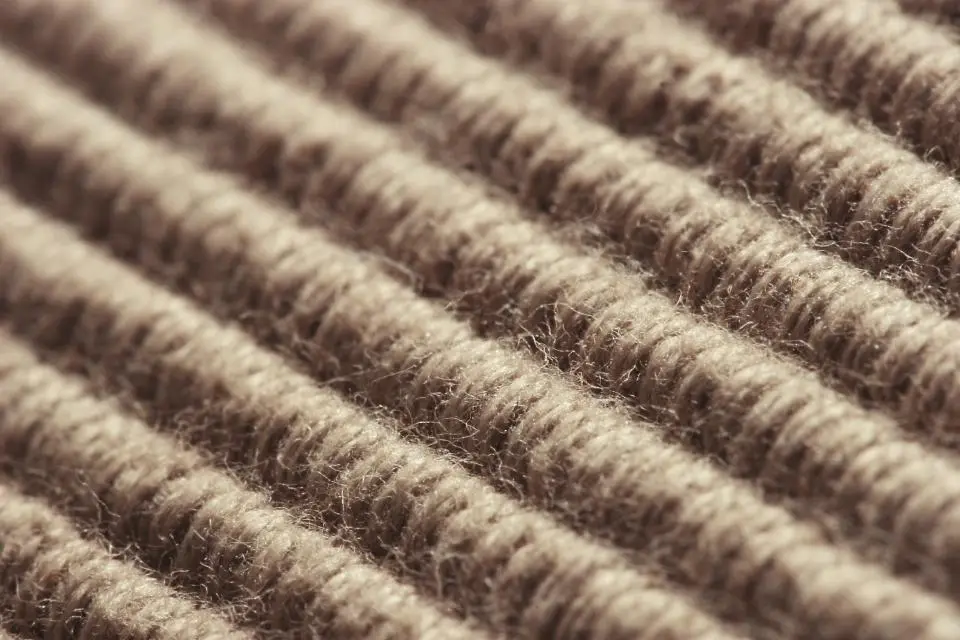
Korean fashion listings typically show far more than a front and back view. Customers expect fabric close-ups, stitching and button details, fit on models of different sizes, and styling suggestions, all within one long detail page. This puts extra emphasis on how texture and colour are handled in editing.
Fabric close-ups should keep the weave, knit and surface texture clearly visible, without over-sharpening that creates an artificial look. Colour has to match exactly between the close-ups, the flat lays and the on-model images, even though they were often shot in different lighting. Fit shots need garment shape tidied without changing how the item actually fits, since customers rely on them to choose their size.
Editing the whole set against one colour reference is the most reliable way to keep these images consistent, and it makes the detail page feel professional from top to bottom. It also reduces size-related returns, because customers can judge the garment accurately before ordering.
Questions to ask before outsourcing
Korean brands should expect a lot from an editing partner. Useful questions include:
- Can you match our exact retouching level from brand references?
- How do you keep a full detail-page sequence consistent?
- How quickly are revision rounds returned?
- Can you handle glossy, frosted and transparent packaging well?
- How are unreleased products kept confidential?
A sample brief
For example: one new serum, thirty-five images for the detail page; hero shot on white; texture close-ups of the formula; model shots with natural skin texture; match shade to the attached reference; remove all dust and fingerprints from the glass bottle; Coupang and Naver sizes plus an international marketplace main image; revisions same day.
Services Korean businesses use most
- Portrait and model retouching: refined skin that keeps natural texture.
- E-commerce photo editing: consistent detail-page sequences and ghost mannequin work.
- Fashion photo editing: garment clean-up and fabric texture preservation.
- Shadow and reflection work: premium presentation for glossy packaging.
- Background removal: clean main images for domestic and international marketplaces.
Key takeaways
- Detail pages need whole sequences edited to one standard, not single images.
- Cosmetic packaging needs careful handling of gloss, glass and print.
- Shade accuracy prevents complaints and returns.
- Working almost the same hours allows same-day revision rounds.
- International marketplaces need simpler main images, but the product itself must look identical everywhere.
Frequently asked questions
Do you edit images for Coupang and Naver Smart Store?
Yes. We edit and size images for Korean platforms including Coupang, Naver Smart Store and Gmarket, keeping full detail-page sequences consistent in colour and tone.
Can you retouch cosmetic packaging?
Yes. Glass, frosted and metallic packaging each need different handling, and we remove dust and fingerprints, refine reflections and keep printed text crisp so products look premium.
Can you match a K-beauty retouching style?
Yes. Send brand references and we will match the level of skin retouching on a test edit, aiming for a refined look that still keeps natural texture.
How do you handle many images per product?
We edit each product's images as one sequence against a single reference, so hero shots, close-ups and model images all match on the final detail page.
What is the time difference with South Korea?
Korea is one hour ahead of our Cebu studio all year, so we work almost the same business day and revisions can usually be returned within hours.
Do you keep new product launches confidential?
Yes. Images of unreleased products are used only for your project and never shared or published, and we can work under a confidentiality agreement.
Can you prepare images for international marketplaces?
Yes. We prepare clean main images and simplified versions for overseas platforms from the same master used for your Korean detail pages, keeping the product consistent everywhere.
Judge it on three images
Send three product photographs and a reference showing the standard you work to. We will match it and return them, so you can assess the quality against your current retoucher before committing.