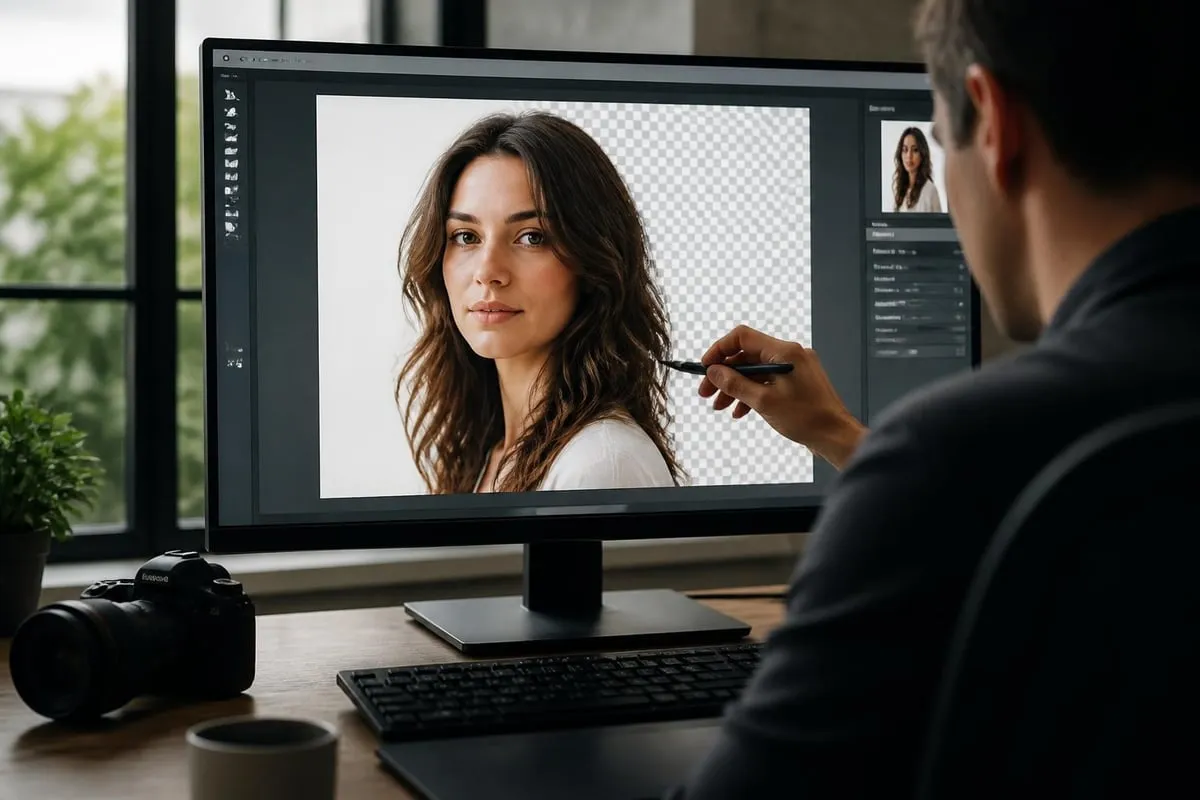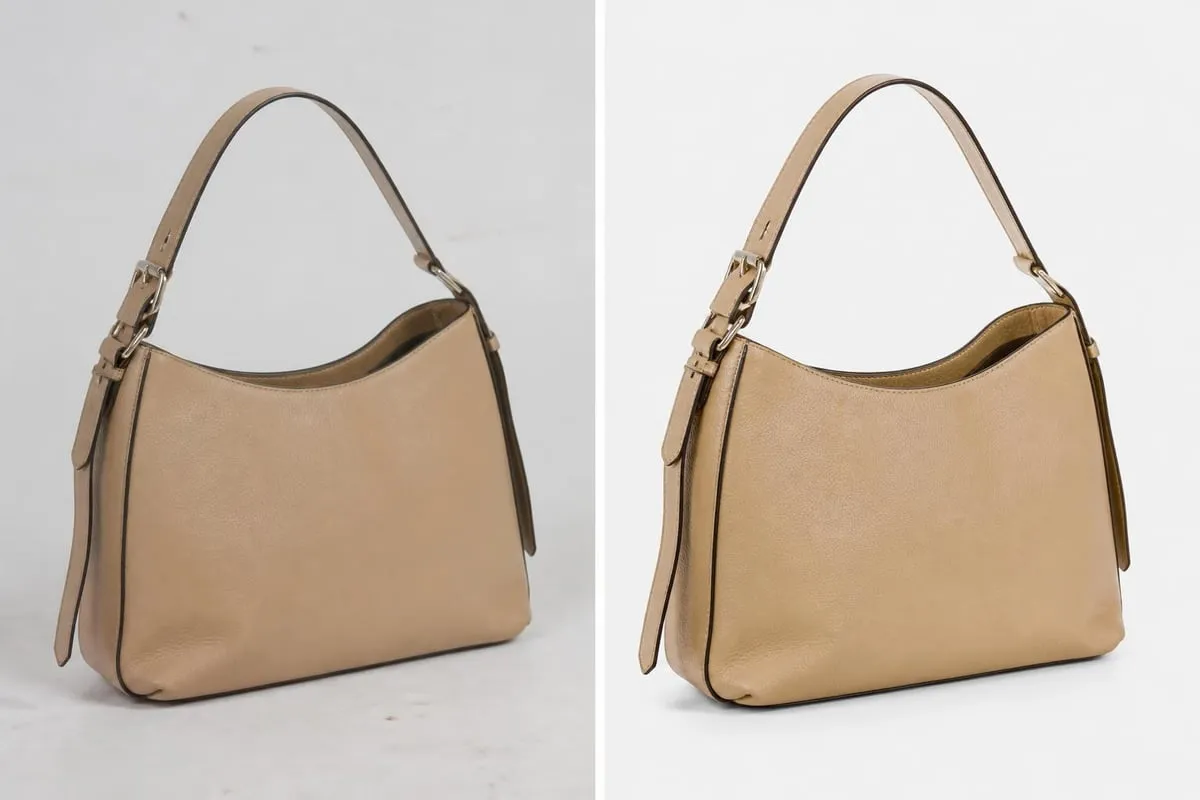
The jewelry industry demands visual perfection. When customers browse online, they cannot touch or examine pieces in person, making high-quality photography the sole factor that drives purchasing decisions. A professional jewellery photo editing service bridges the gap between raw product shots and the stunning images that convert browsers into buyers. These specialized services enhance every aspect of jewelry photography, from eliminating imperfections to making gemstones sparkle with life-like brilliance.
The Critical Role of Professional Jewelry Photo Editing
Online jewelry sales exceeded $350 billion globally in 2025, with projections reaching $480 billion by 2028. This explosive growth intensifies competition, making visual presentation more crucial than ever. Raw jewelry photographs rarely capture the true beauty of pieces due to lighting challenges, reflections, and camera limitations.
Professional editing transforms these initial shots into magazine-quality images that showcase intricate details, accurate colors, and brilliant sparkle. The difference between amateur and professional editing directly impacts conversion rates, with studies showing that high-quality jewelry images increase sales by up to 40 percent.
Why Raw Jewelry Photography Falls Short
Even skilled photographers struggle with jewelry's unique challenges. Metallic surfaces create unwanted reflections, gemstones appear dull without proper enhancement, and backgrounds distract from the piece itself. Camera sensors cannot capture the dynamic range that human eyes perceive when viewing jewelry in person.
These technical limitations mean that every jewelry photograph requires post-production work. Understanding common jewelry photo editing mistakes helps businesses avoid costly errors that diminish product appeal and reduce customer trust.
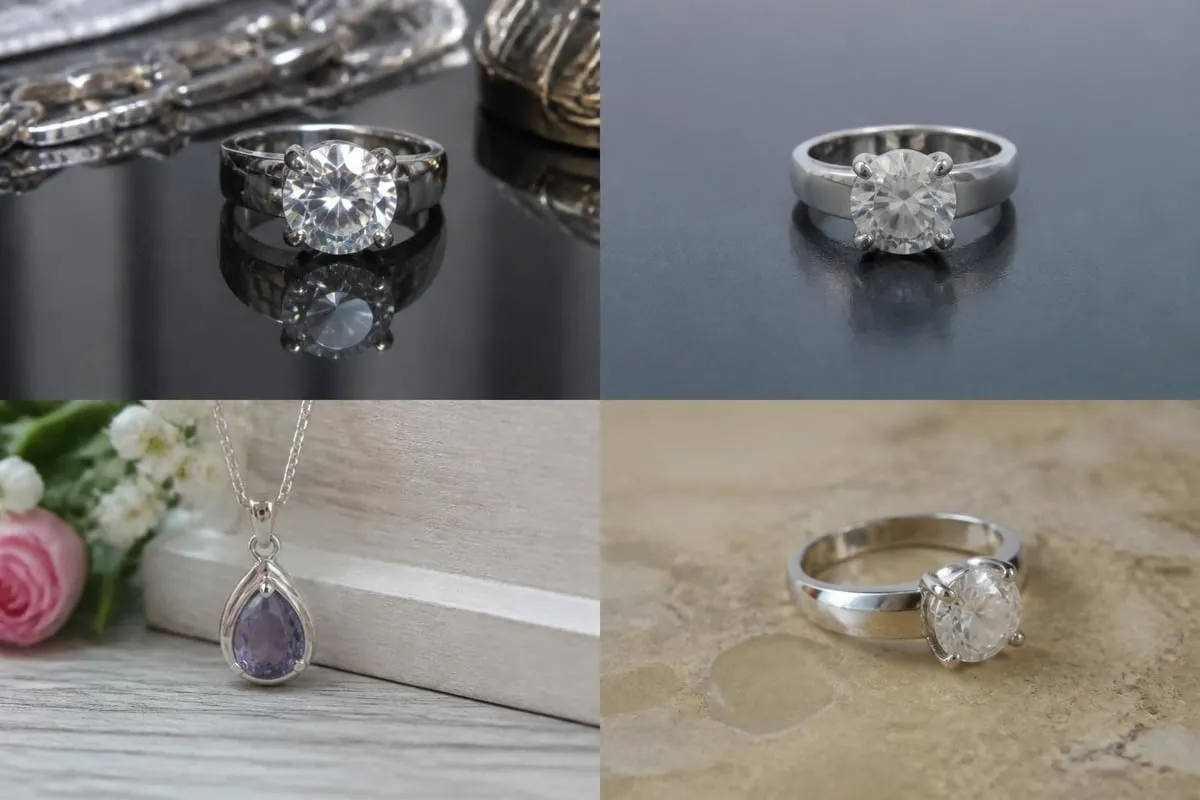
Essential Services Within Jewelry Photo Editing
A comprehensive jewellery photo editing service encompasses multiple specialized techniques, each addressing specific challenges inherent to jewelry photography. These services work together to create images that accurately represent products while maximizing visual appeal.
Background Removal and Replacement
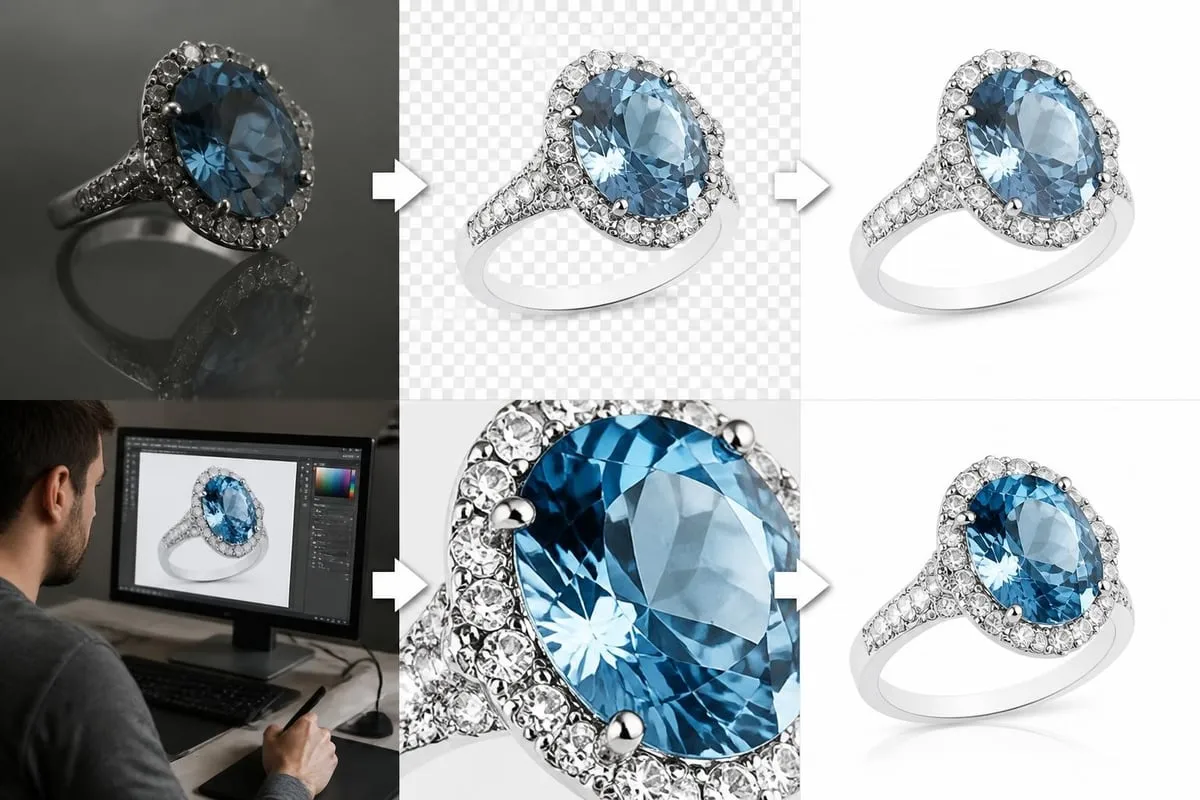
Clean backgrounds focus attention entirely on the jewelry piece. Professional editors remove distracting elements and replace them with pure white, gradient, or custom backgrounds that align with brand aesthetics. This process requires precision, especially around delicate chains, prongs, and intricate filigree work.
The clipping path technique creates perfect selections around jewelry edges, ensuring smooth transitions between the product and background. For complex pieces with multiple layers or transparent elements, advanced masking techniques preserve every detail.
Color Correction and Metal Enhancement
Accurate color representation builds customer trust and reduces returns. A professional jewellery photo editing service corrects white balance issues, adjusts exposure, and ensures that gold appears truly golden, silver looks brilliant, and platinum maintains its distinctive cool tone.
Key color correction elements include:
- White balance adjustment for accurate metal tones
- Exposure correction to reveal detail in shadows and highlights
- Saturation control to prevent oversaturated or washed-out colors
- Selective color enhancement for specific elements
- Consistency across entire product catalogs
Metal surfaces receive special attention to enhance their natural luster without creating artificial-looking results. Editors carefully balance highlights and shadows to create dimension while maintaining realistic appearance.
Gemstone Enhancement and Sparkle Addition
Diamonds, sapphires, emeralds, and other precious stones require specialized editing to capture their brilliance. Camera sensors cannot record the light dispersion and fire that makes gemstones captivating in person. Professional editors recreate this sparkle through careful highlight enhancement, facet definition, and strategic brightness adjustments.
The process involves identifying individual facets, enhancing light reflection points, and adding subtle glow effects that mimic natural brilliance. Professional jewelry photo retouching techniques emphasize the importance of maintaining authenticity while maximizing visual impact.
| Gemstone Type | Enhancement Focus | Common Challenges |
|---|---|---|
| Diamonds | Brilliance, fire, light dispersion | Capturing sparkle, avoiding overexposure |
| Colored Gems | Accurate hue, saturation, clarity | Color accuracy, maintaining depth |
| Opaque Stones | Texture, pattern, subtle luster | Surface detail, avoiding flatness |
| Pearls | Soft glow, surface quality | Subtle enhancement without losing natural look |
Advanced Retouching Techniques
Beyond basic corrections, professional jewellery photo editing service providers employ advanced techniques that elevate images from good to exceptional. These methods address subtle imperfections and enhance details that distinguish professional work from amateur editing.
Dust and Scratch Removal
Jewelry pieces accumulate dust, fingerprints, and minor scratches during handling and photography sessions. These imperfections become glaringly obvious in high-resolution product images. Professional retouchers meticulously remove every speck of dust, smudge, and surface blemish while preserving the metal's natural texture.
This painstaking work requires zoom levels exceeding 200 percent to ensure complete cleanliness. The goal is presenting pristine products that appear fresh from the jeweler's workshop.
Shadow and Reflection Creation
Realistic shadows ground jewelry pieces and create three-dimensional appearance on flat screens. Editors craft natural-looking drop shadows that match the product's shape and provide visual weight. The shadow's softness, opacity, and direction must align with the implied lighting to maintain believability.
Reflections present additional complexity. Some brands prefer clean presentations without reflections, while others request subtle mirror effects that add luxury appeal. Professional editors customize reflection intensity and clarity based on brand guidelines and product type.
Detail Enhancement and Sharpening
Customers scrutinize jewelry images for quality indicators. Sharpening techniques bring texture details into focus, revealing metal grain, stone cuts, and craftsmanship details. However, excessive sharpening creates unnatural halos and emphasizes image noise.
Professional retouchers apply selective sharpening to important areas while leaving backgrounds smooth. This targeted approach draws attention to product features without introducing artifacts.
Industry Standards and Quality Requirements
Different sales channels demand varying image specifications. A professional jewellery photo editing service understands these requirements and delivers files optimized for each platform. Meeting technical specifications ensures images display correctly and load quickly across all devices.
Ecommerce Platform Specifications
Amazon, Etsy, Shopify, and other platforms maintain specific image guidelines. Amazon requires pure white backgrounds (RGB 255, 255, 255) with products filling at least 85 percent of the frame. Images must be at least 1000 pixels on the longest side to enable zoom functionality.
Professional editors ensure compliance with platform requirements while maintaining artistic quality. This dual focus prevents listing rejections and creates consistent presentation across marketplaces. For businesses managing multiple product lines, ecommerce photo editing services streamline the entire process.
Resolution and File Format Considerations
High-resolution images serve multiple purposes beyond web display. Brands need files suitable for print catalogs, trade show displays, and social media platforms. Professional services deliver multiple file versions optimized for specific uses:
- Web-optimized JPEGs (72 DPI, sRGB color space) for fast loading
- High-resolution TIFFs or PSDs (300 DPI, CMYK) for print materials
- Square crops for Instagram and social media platforms
- Vertical formats for Pinterest and mobile-optimized displays
- Alternative sizes for responsive website designs
This comprehensive approach ensures businesses have appropriate files for every marketing channel without requiring additional editing work.
Outsourcing vs. In-House Editing
Jewelry businesses face strategic decisions about handling photo editing internally or partnering with specialized service providers. Each approach offers distinct advantages depending on volume, budget, expertise, and quality requirements.
Cost-Benefit Analysis
Building in-house editing capabilities requires significant investment. Professional-grade software licenses, calibrated monitors, powerful computers, and trained staff represent substantial ongoing expenses. Small to medium-sized jewelry businesses often find outsourcing more cost-effective than maintaining full-time editing staff.
In-house editing costs:
- Adobe Creative Cloud licenses ($55+ per editor monthly)
- Color-calibrated monitors ($500-$2000 each)
- High-performance workstations ($2000-$5000)
- Staff salaries and benefits ($40,000-$70,000 annually per editor)
- Training and continued education expenses
Outsourcing eliminates these fixed costs, converting them to variable expenses that scale with business needs. During slow periods, businesses pay only for images edited, while in-house staff still require salaries.
Quality and Consistency Considerations
Specialized jewellery photo editing service providers focus exclusively on jewelry retouching, developing deep expertise through thousands of images edited. This specialization produces consistent quality that generalist in-house editors struggle to match. The team at Photo Editing Company specifically trains retouchers in jewelry-specific techniques, ensuring every piece receives expert attention.
Consistency across large product catalogs challenges even experienced editors. Professional services implement quality control processes, style guides, and multi-tier review systems that maintain uniform appearance across hundreds or thousands of product images.
| Factor | In-House Editing | Outsourced Service |
|---|---|---|
| Initial Investment | High (software, hardware, hiring) | Low (per-image pricing) |
| Scalability | Limited by staff capacity | Unlimited, scales instantly |
| Expertise Level | Varies by individual editor | Specialized jewelry focus |
| Quality Control | Self-directed | Multi-tier professional review |
| Turnaround Time | Depends on workload | Guaranteed delivery schedules |
| Cost Structure | Fixed regardless of volume | Variable, matches actual needs |
Workflow Integration and Turnaround Time
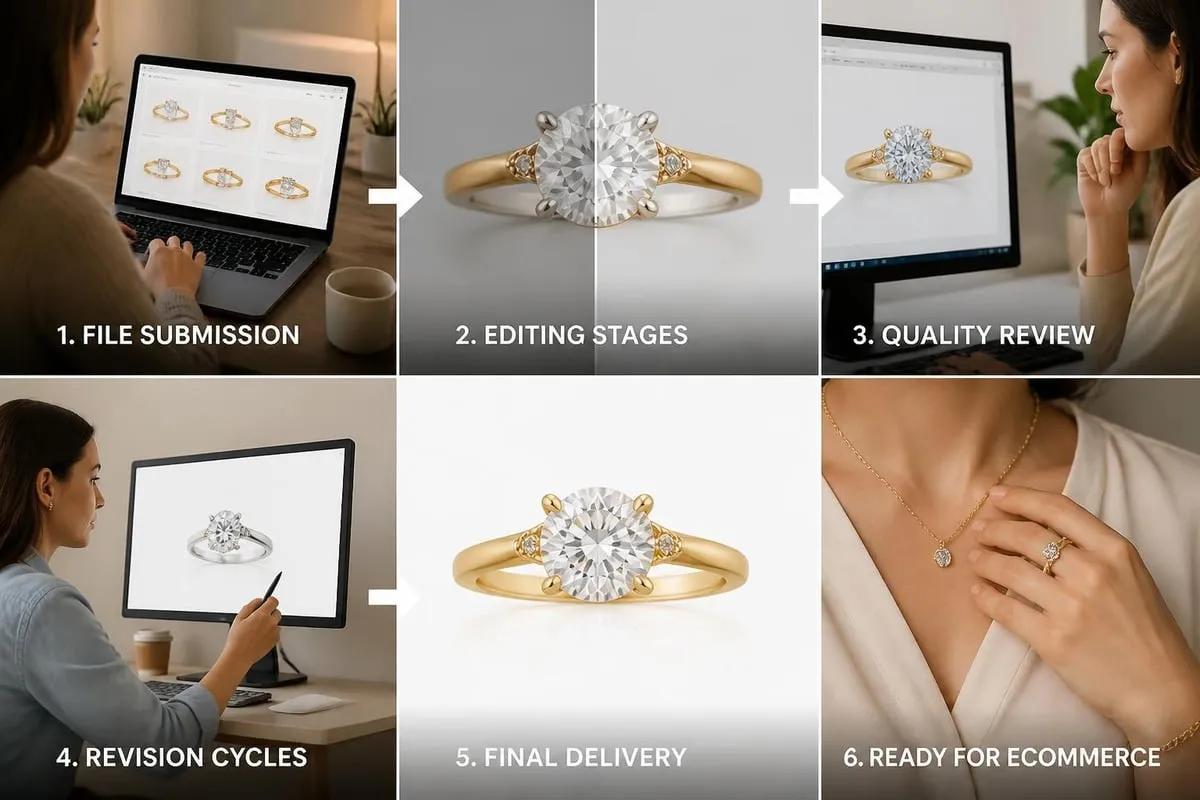
Efficient workflow integration separates professional jewellery photo editing service providers from amateur alternatives. Streamlined processes minimize delays, reduce communication friction, and ensure predictable delivery schedules that align with product launch timelines.
File Transfer and Communication Systems
Professional services establish secure, efficient systems for receiving raw images and delivering finished files. Cloud-based platforms, FTP servers, and dedicated client portals facilitate smooth transfers without email attachment limitations. Clear naming conventions and organizational structures prevent confusion when handling hundreds of images simultaneously.
Communication protocols define revision processes, feedback mechanisms, and approval workflows. Detailed style guides and reference images eliminate ambiguity, ensuring editors understand brand preferences from the initial project. Understanding professional jewelry editing workflows helps businesses establish efficient collaboration with service providers.
Realistic Turnaround Expectations
Quality jewelry editing requires time. Rush services exist but often compromise quality or carry premium pricing. Standard turnaround times range from 24 to 72 hours per image depending on complexity. Simple background removal and basic corrections complete quickly, while complex multi-stone pieces requiring extensive retouching need additional time.
Typical turnaround timeframes:
- Basic editing (background removal, minor corrections): 24 hours
- Standard retouching (full color correction, enhancement): 48 hours
- Advanced retouching (extensive gemstone work, multiple angles): 72 hours
- Rush service (premium pricing applies): 12-24 hours
- Bulk orders (100+ images): Negotiated schedules with milestone deliveries
Planning product launches around realistic editing schedules prevents last-minute rushes and ensures sufficient time for revisions if needed.
Specialized Jewelry Categories and Editing Approaches
Different jewelry types present unique editing challenges. A versatile jewellery photo editing service adapts techniques to suit each category's specific requirements, ensuring appropriate enhancement without misrepresenting products.
Fine Jewelry and High-End Pieces
Luxury jewelry demands exceptional attention to detail. Every facet, prong, and metalwork detail requires perfect presentation. Customers spending thousands or tens of thousands of dollars expect flawless images that accurately represent craftsmanship quality. Editors working with fine jewelry must understand gemology basics, metal properties, and luxury market expectations.
High-end pieces often require composite images combining multiple shots to achieve perfect focus throughout deep settings. Focus stacking techniques merge several photographs taken at different focus points, creating impossible depth of field that shows every detail sharply.
Fashion and Costume Jewelry
Fashion jewelry editing prioritizes visual impact and trend alignment over microscopic accuracy. These pieces target different demographics with emphasis on style, color coordination, and overall aesthetic rather than precious metal purity or gemstone quality. Editing approaches can be more creative, incorporating lifestyle elements or styled presentations that connect with target audiences.
Color consistency matters enormously for fashion jewelry since customers often purchase multiple coordinating pieces. Professional editing ensures that all items within a collection display identical metal tones and complementary color relationships.
Vintage and Estate Jewelry
Vintage pieces balance authenticity with appeal. Over-editing eliminates the character that makes antique jewelry special, while insufficient retouching fails to overcome photography limitations. Skilled editors preserve patina, age-appropriate wear, and period-correct appearance while eliminating distracting imperfections and enhancing precious elements.
Documentation photography for estate jewelry requires different approaches than sales imagery. Appraisal and insurance photographs must show condition accurately, including any damage or wear, while marketing images emphasize beauty and desirability within honest representation boundaries.
Technical Expertise Required for Professional Results
The comprehensive approach to jewelry photo retouching demands specific technical skills beyond general photo editing knowledge. Professional jewellery photo editing service providers invest continuously in training, tools, and technique refinement.
Software Proficiency and Advanced Tools
Adobe Photoshop remains the industry standard, offering unmatched control over minute details. Professional jewelry editors master advanced features including layer masks, adjustment layers, frequency separation, and dodge-and-burn techniques. These tools enable non-destructive editing that preserves original image data while allowing unlimited revision flexibility.
Specialized plugins extend Photoshop's capabilities for jewelry-specific tasks. Reflection and sparkle plugins accelerate gemstone enhancement, while perspective correction tools ensure symmetrical presentation. Professional services maintain current software versions and cutting-edge plugin libraries that amateur editors cannot justify financially.
Color Management and Monitor Calibration
Accurate color representation depends on proper color management throughout the editing workflow. Professional editors work with calibrated monitors that display colors correctly, ensuring that gold appears authentically golden and gemstone hues match reality. Without calibration, editors make adjustments based on inaccurate screen display, resulting in files that appear different on customer devices.
ICC profiles, color spaces (sRGB vs. Adobe RGB), and bit depth considerations all impact final image quality. Professional jewellery photo editing service providers understand these technical factors and configure workflows for optimal color accuracy across various output scenarios.
Maintaining Brand Consistency Across Catalogs
Large jewelry retailers manage hundreds or thousands of SKUs requiring consistent visual presentation. Brand recognition depends on uniform styling, lighting appearance, and color treatment across entire catalogs. Establishing and maintaining this consistency challenges even professional editing teams.
Creating Comprehensive Style Guides
Detailed style guides document every editing decision, from background color values to metal tone preferences and shadow characteristics. These references ensure that multiple editors working on the same catalog produce visually cohesive results. Style guides include sample images annotated with specific adjustment values, acceptable variation ranges, and brand-specific preferences.
Regular updates keep style guides current with evolving brand direction and market trends. Annual reviews ensure guidelines remain relevant and incorporate new product categories or presentation styles.
Quality Control and Review Processes
Multi-tier review catches inconsistencies before delivery. Initial editing completes by trained retouchers, followed by senior editor review for technical quality and style guide compliance. Final quality control compares images within the same collection, verifying consistent appearance across related products.
This systematic approach maintains the high standards that distinguish professional services from freelance alternatives. When partnering with specialized providers for jewelry photo editing, businesses benefit from established quality control processes that deliver reliable results.
The Business Impact of Professional Editing
Investment in quality jewellery photo editing service produces measurable returns through increased conversion rates, reduced returns, and enhanced brand perception. These benefits compound over time as consistent high-quality imagery builds customer trust and recognition.
Conversion Rate Improvements
A/B testing consistently demonstrates that professionally edited jewelry images outperform amateur alternatives. Studies within the jewelry ecommerce sector show conversion rate increases between 25 and 50 percent when upgrading from basic photography to professional editing. The sparkle, clarity, and accurate color representation that professional editing provides directly address customer purchase hesitations.
Mobile shopping amplifies image quality's importance. Smartphone screens display jewelry at small sizes where clarity and visual impact determine whether customers tap through to product details. Professional editing optimizes images for both desktop and mobile viewing, ensuring effectiveness across all devices.
Return Rate Reduction
Accurate product representation reduces disappointing unboxing experiences that trigger returns. When jewelry arrives matching the precise appearance shown online, customer satisfaction increases and return likelihood decreases. Professional color correction ensures that rose gold appears distinctly different from yellow gold, preventing confusion and wrong-color orders.
Returns cost jewelry businesses significantly through lost shipping expenses, processing time, and potential product damage. Reducing return rates by even a few percentage points through better imagery saves thousands of dollars annually while improving customer relationships.
Brand Perception and Positioning
Visual quality signals brand positioning. Luxury jewelers cannot afford amateur-looking product images that undermine premium positioning and justify high price points. Professional editing elevates brand perception, communicating attention to detail, quality commitment, and sophisticated taste that resonates with target demographics.
Consistent high-quality imagery across all channels, from websites to social media platforms, reinforces brand identity and builds recognition. Customers develop visual associations with brands whose imagery maintains distinctive, professional appearance.
Common Editing Mistakes to Avoid
Even with professional assistance, understanding common pitfalls helps jewelry businesses provide better direction and evaluate service quality. Recognizing these issues prevents accepting substandard work that damages sales performance.
Over-Editing and Unrealistic Enhancement
Excessive editing creates artificial-looking jewelry that disappoints customers upon arrival. Over-sharpening introduces halos and artifacts, while extreme sparkle enhancement produces cartoonish appearance. The goal involves enhancing reality, not creating fantasy versions that cannot exist physically.
Professional editors maintain restraint, enhancing natural beauty without crossing into misrepresentation. This balance preserves customer trust while maximizing visual appeal within honest boundaries.
Inconsistent Lighting and Shadow Direction
Mixed shadow directions within a catalog create disjointed appearance. If some pieces show lighting from the left while others display right-side illumination, the collection lacks cohesion. Professional services establish consistent lighting direction and maintain it across all images.
Shadow intensity and softness also require consistency. Hard shadows suit some brand aesthetics while soft, diffused shadows create different moods. Whatever approach fits the brand must apply uniformly.
Color Casting and Inaccurate Metal Tones
Color casts make metals appear tinted with unwanted hues. Yellow gold photographed under fluorescent lighting may display greenish tones, while tungsten illumination adds excessive warmth. Professional color correction neutralizes these casts while preserving accurate metal appearance.
Each metal type possesses distinctive color characteristics that must translate correctly. White gold differs subtly from platinum and silver, while yellow gold ranges from 10K to 24K with corresponding color variations. Expert editors understand these nuances and ensure accurate representation.
Future Trends in Jewelry Photo Editing
Technology continuously evolves, introducing new capabilities and efficiency improvements. Staying informed about emerging trends helps jewelry businesses anticipate changes and adapt strategies accordingly.
AI-Assisted Editing Tools
Artificial intelligence increasingly assists with routine editing tasks. Background removal, basic color correction, and dust removal now benefit from AI algorithms that complete these tasks faster than manual methods. However, AI cannot yet match human judgment for complex creative decisions requiring aesthetic evaluation.
The future likely involves hybrid workflows where AI handles repetitive tasks while human editors focus on creative enhancement and quality control. This combination maximizes efficiency without sacrificing quality. For insights into balancing technology and expertise, explore discussions on comparing AI and manual photo editing.
360-Degree and Interactive Imagery
Customer demand for interactive product visualization grows steadily. 360-degree jewelry images allow customers to rotate pieces, examining all angles before purchasing. Creating these presentations requires editing multiple images maintaining perfect consistency across all rotation points.
Augmented reality try-on features represent another frontier, requiring specialized imaging that integrates with AR platforms. Professional jewellery photo editing service providers expand capabilities to support these emerging technologies.
Sustainability and Ethical Considerations
Consumers increasingly value transparency about products, including accurate representation. Editing that enhances without misrepresenting aligns with ethical marketing principles that build long-term customer relationships. Professional services help brands balance visual appeal with honest representation that respects customer intelligence.
Additionally, efficient digital workflows reduce physical sample shipping and reshooting needs, supporting sustainability goals through reduced carbon footprints.
Professional jewelry photography requires equally professional editing to achieve sales-generating imagery that accurately represents products while maximizing visual appeal. Understanding the techniques, standards, and strategic considerations that comprise quality jewellery photo editing service helps businesses make informed decisions about managing this critical aspect of online sales. Whether building in-house capabilities or partnering with specialists, investment in professional editing delivers measurable returns through improved conversions, reduced returns, and enhanced brand perception. Photo Editing Company brings specialized expertise in jewelry retouching, combining advanced technical skills with efficient workflows to help jewelry businesses present their products with the stunning clarity and brilliance that drives customer confidence and sales growth.
Related reading: