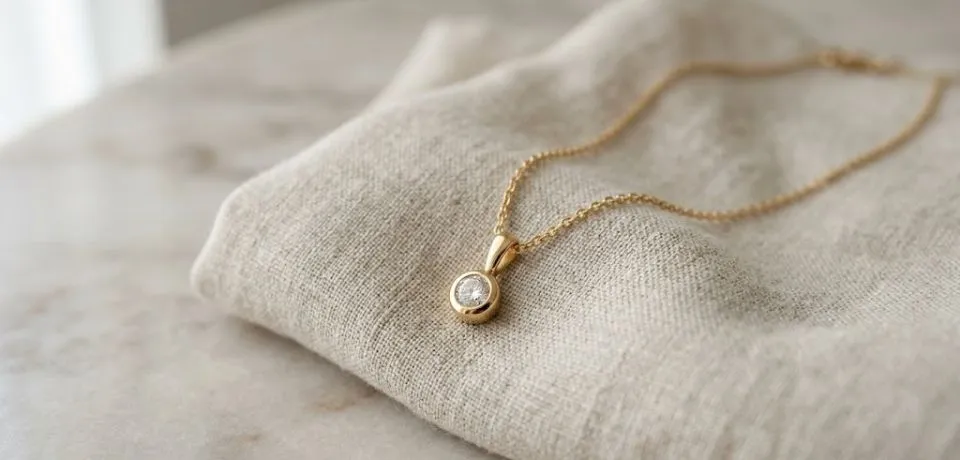
Using gradient backdrops is a subtle way to give jewelry photography a high-end, editorial feel. Unlike flat colors, a gradient mimics the natural behavior of light, creating a sense of three-dimensional space that makes a gemstone or precious metal pop.
When you place a diamond ring or a gold necklace against a solid, matte surface, the image can sometimes look flat. A gradient adds a soft transition from light to dark, providing a focal point that guides the viewer’s eye directly to the center of the frame. This technique adds depth without the need for complex props that might distract from the piece itself.
Here’s Gradient Backdrops to Highlight Jewelry
Choosing the Right Colors for Gradient Backdrops
The color of your background should always serve the metal and stones. Consider these pairings:
| Jewelry Material | Suggested Gradient | Effect |
| Silver / White Gold | Deep Charcoal to Mid-Grey | Creates a sleek, modern aesthetic. |
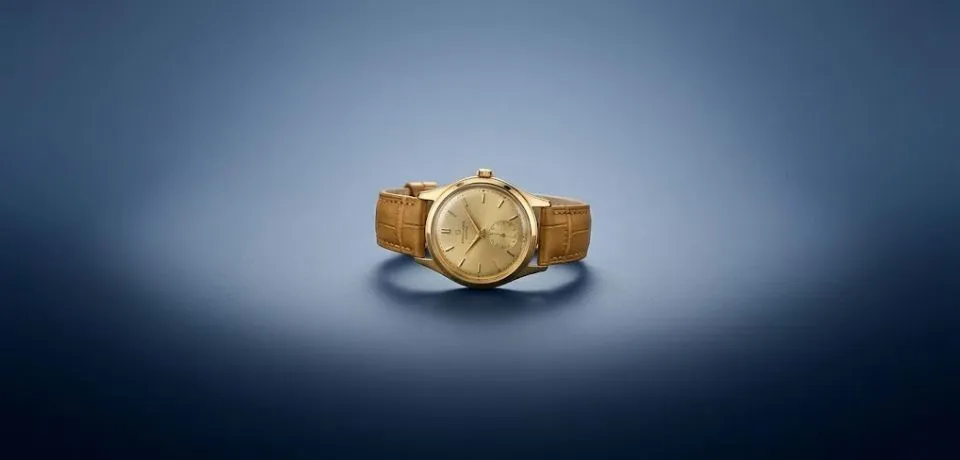
| Yellow Gold | Rich Navy to Slate | Contrast makes the gold appear warmer. |
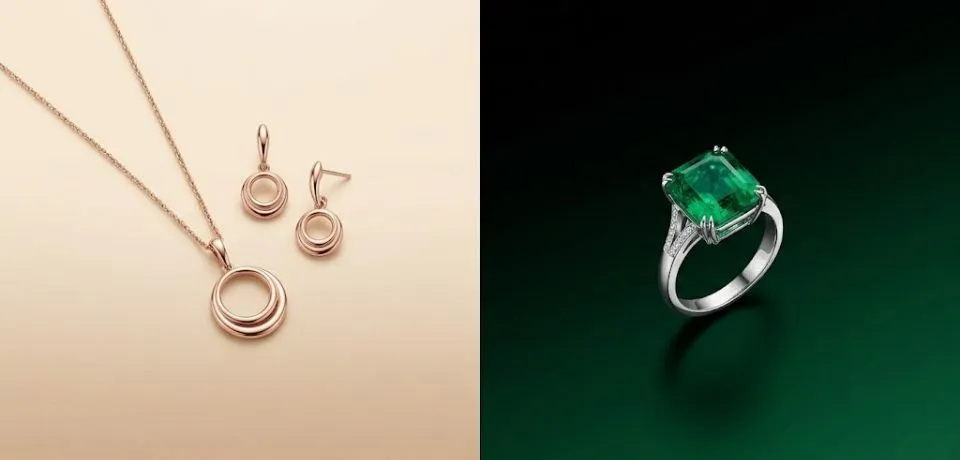
| Rose Gold | Cream to Soft Sand | Complements the pinkish tones of the metal. |
| Emeralds / Rubies | Black to Dark Forest/Burgundy | Increases the saturation of the gems. |
Lighting for Your Gradient
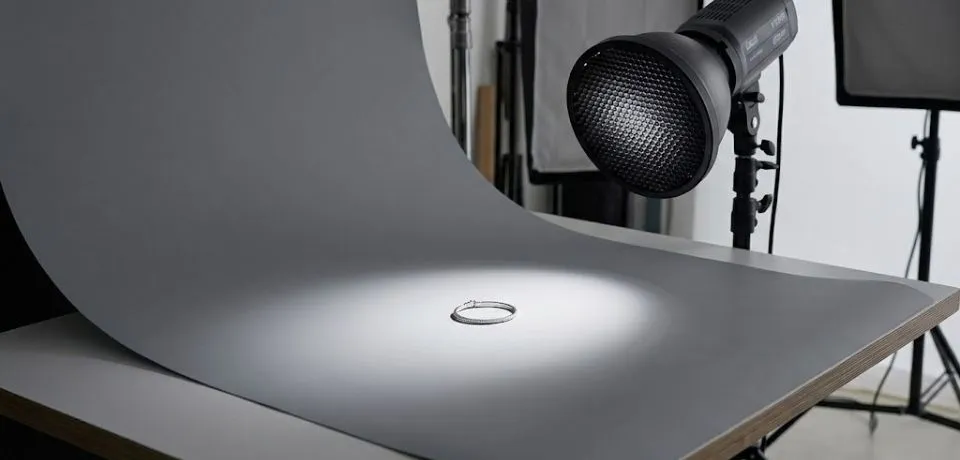
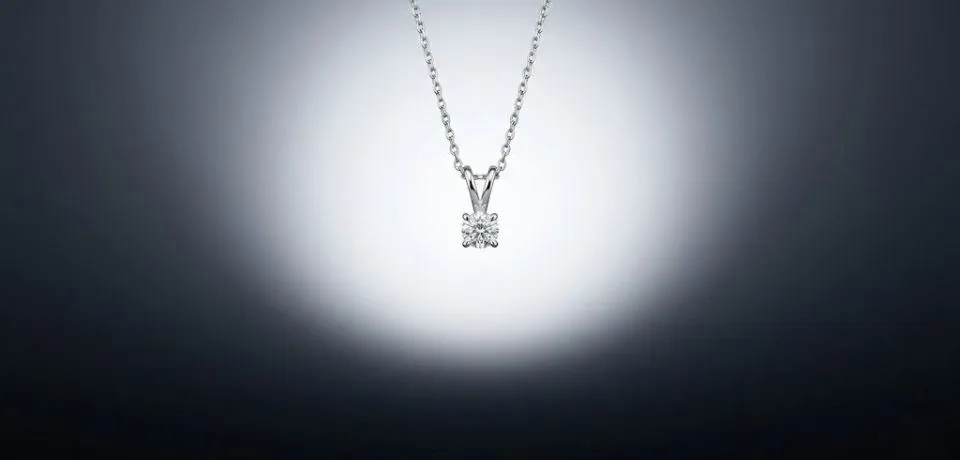
The most effective gradient backdrops are often created through lighting rather than just the physical paper or fabric. By using a single light source with a honeycomb grid or a snoot, you can cast a "pool" of light on a dark grey background. This results in a natural fall-off that looks much more professional than a digitally added effect.
Positioning the Piece for Gradient Backdrops
To get the most out of a gradient, place your jewelry at the brightest point of the transition. This creates a "halo" effect. If the light fades into shadow at the bottom of the frame, the piece will appear to be floating, giving it a luxury feel.
Texture and Material in Gradients
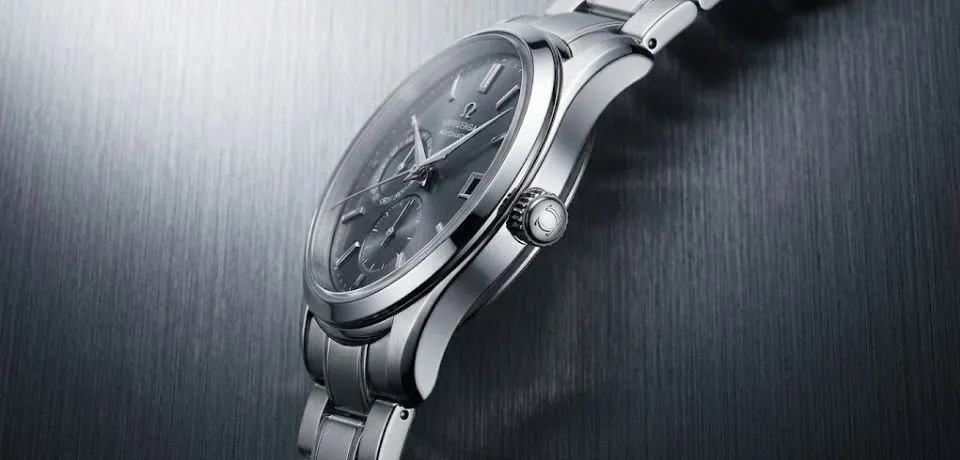
While smooth paper is a standard choice, using a textured gradient backdrop such as brushed metal or fine-grain stone can add an extra layer of sophistication. Just ensure the texture is fine enough that it doesn't compete with the intricate details of the jewelry. Reflective surfaces like acrylic can also be used to create a vertical gradient through reflections, doubling the visual impact of the item.
Conclusion
Gradient backdrops move beyond flat, matte surfaces by mimicking how light naturally behaves. This technique adds depth and a 3D quality to jewelry, making pieces stand out without distracting props. By transitioning from light to dark, you create a focal point that pulls the eye toward the product.
The secret to high-end jewelry photography isn't more gear; it's the deliberate control of shadow. Using light to craft a gradient provides a sophisticated stage that honors the craftsmanship of the piece rather than competing with it.
Ready to refine your studio setup? Try casting a pool of light on a dark grey sweep for your next shoot and see the depth for yourself.
Read Next: Why Do I Need Jewelry Photo Retouching