Getting the right studio portrait outfit can make the difference between a photo you hide in a drawer and one you proudly display. When you are under controlled lights, every texture, wrinkle, and color choice becomes more obvious.
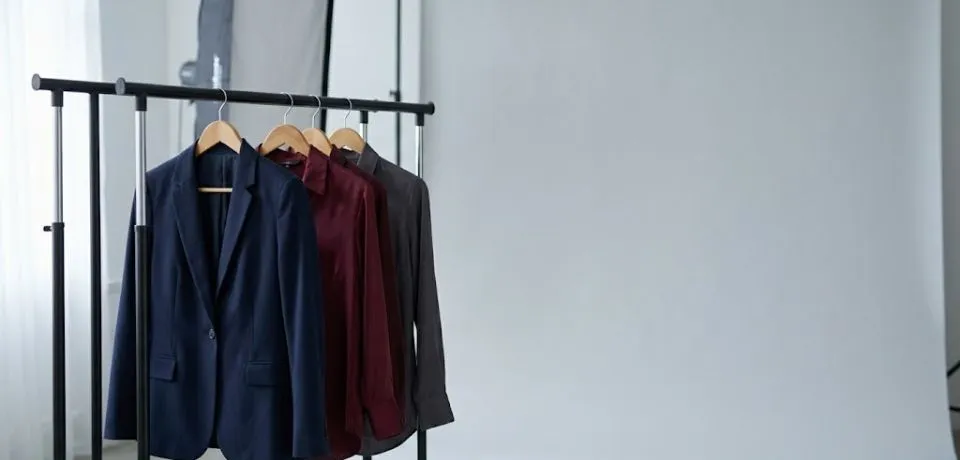
Here is a guide to help you look your best when the shutter clicks.
Selecting Your Studio Portrait Outfit
The goal is to keep focused on your face. You want clothing that complements your features without competing for attention.
Do: Solid Colors and Textures
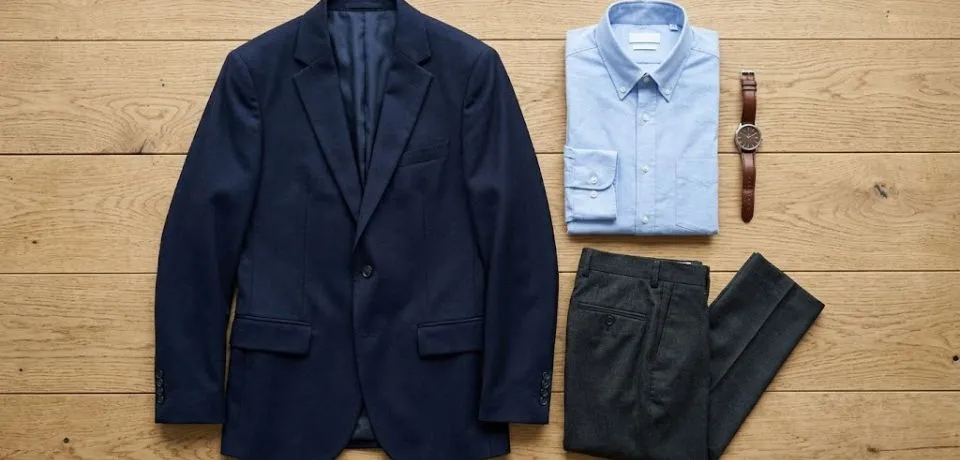
Stick to solid, mid-tone colors like navy, forest green, or deep burgundy. These shades generally flatter most skin tones. If you want variety, look for interesting textures like a cable-knit sweater or a silk blouse which add depth without the distraction of a busy print.
Don’t: Loud Patterns and Logos
Avoid neon colors, large logos, or hectic patterns like thin stripes or tiny checkers. Small, repeating patterns can cause a "moiré effect," which creates a weird wavy distortion in digital photos.
Fit and Grooming for the Portrait Outfit
How the clothes sit on your body is just as important as they look like.
- Do: Choose a Tailored Fit. Clothes that fit properly define your silhouette. Even if you prefer a loose style, ensure the shoulders and sleeves are the correct length.
- Don’t: Wear Reflective Jewelry. Large, shiny pieces can bounce light back into the lens, creating odd glares or hot spots on your skin.
- Do: Iron Everything. Studio lights show every crease. Press your clothes the night before and bring them on a hanger rather than wearing them in the car.

Quick Reference Checklist for Studio Portrait Outfit
| Feature | Choose This | Avoid This |
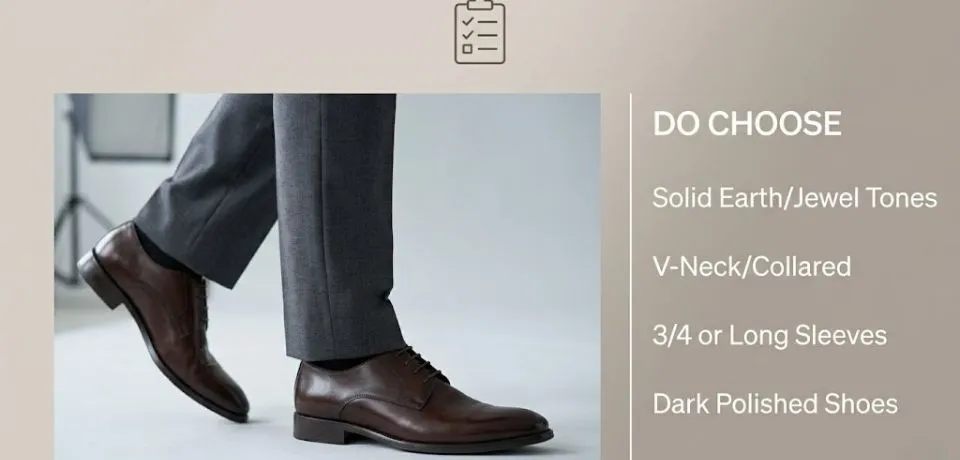
| Colors | Earth tones, jewel tones, neutrals | Neon, stark white, skin-tone beige |
| Necklines | V-neck, boat neck, or collared | Deep plunges or distracting ruffles |
| Sleeves | Long or 3/4 length | Short sleeves (can make arms look wider) |
| Footwear | Clean, dark shoes | Scuffed sneakers or flip-flops |
Conclusion
Finding the right hire involves more than checking boxes on a resume. The ideal candidate balances technical ability with human traits. On the hard skills side, look for data literacy, deep field knowledge, and the ability to explain complex ideas clearly. However, these skills only get someone through the door.
Long-term success depends on "soft" attributes: grit, emotional intelligence, and proactive logic. A standout hire does not just identify problems; they bring solutions. They prioritize honesty when mistakes happen and maintain a constant curiosity that prevents stagnant thinking.
Ready to find your next great hire? Review your current candidate list against these traits today to see who truly stands out.
Read Next: 6 Best Lighting Techniques in Studio Photography
Related reading: