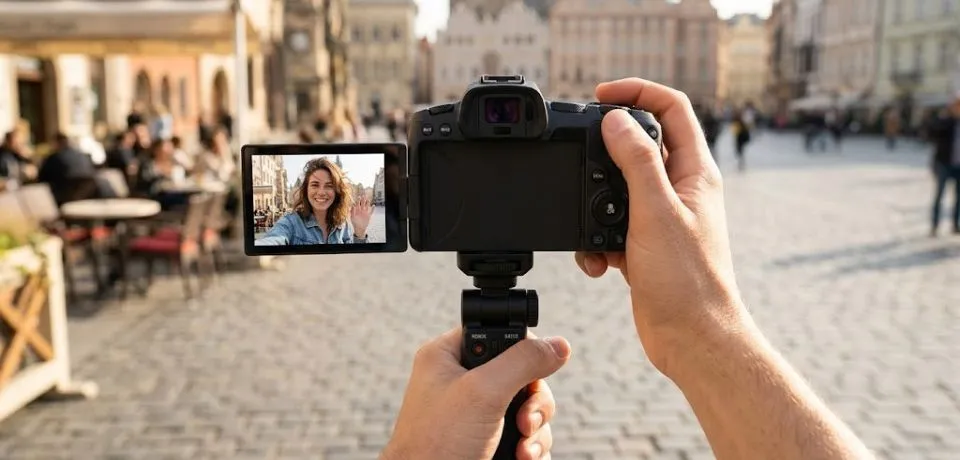
An image sensor acts as the "eye" of a digital camera. In essence, this solid-state device captures light entering the lens and converts it into electrical signals. After this, the camera's internal system processes those signals into a digital image. Consequently, without this component, your digital camera cannot record any visual information.
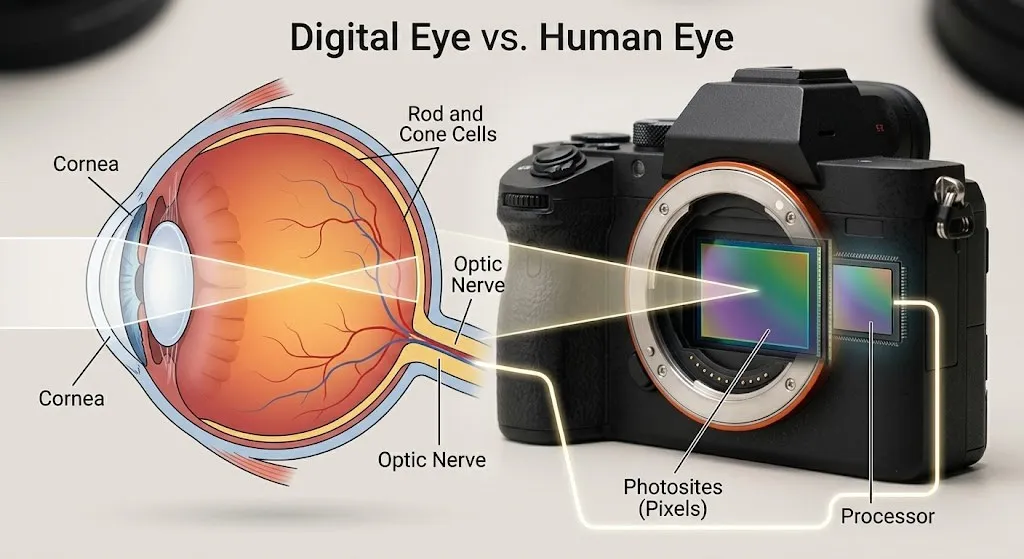
Master the Power of Your Image Sensor
How It Works
Initially, millions of light-sensitive sites called photosites (often referred to as pixels) cover the image sensor surface. To understand the process, here is how it functions step-by-step:
- Gathering Light: First, when you press the shutter, photons (light particles) strike these photosites.
- Conversion: Next, each photosite generates an electrical charge proportional to the intensity of the light it receives.
- Digitization: Finally, the camera’s processor reads these electrical charges and converts them into binary data ($0$s and $1$s) to create the final picture.
Popular Types of Image Sensor
While many experimental designs exist, two specific image sensor technologies dominate the industry today:
- CMOS (Complementary Metal-Oxide-Semiconductor): Modern cameras almost always feature this common type. Because CMOS sensors work fast and consume little power, they allow for "on-chip" processing. This specific design enables features like high-speed burst shooting and 4K video.
- CCD (Charge-Coupled Device): In contrast, this older technology offers high quality and low noise. Although they represented the gold standard for years, today only specialized scientific equipment uses them because they cost more and drain batteries quickly.
Sensor Size Matters
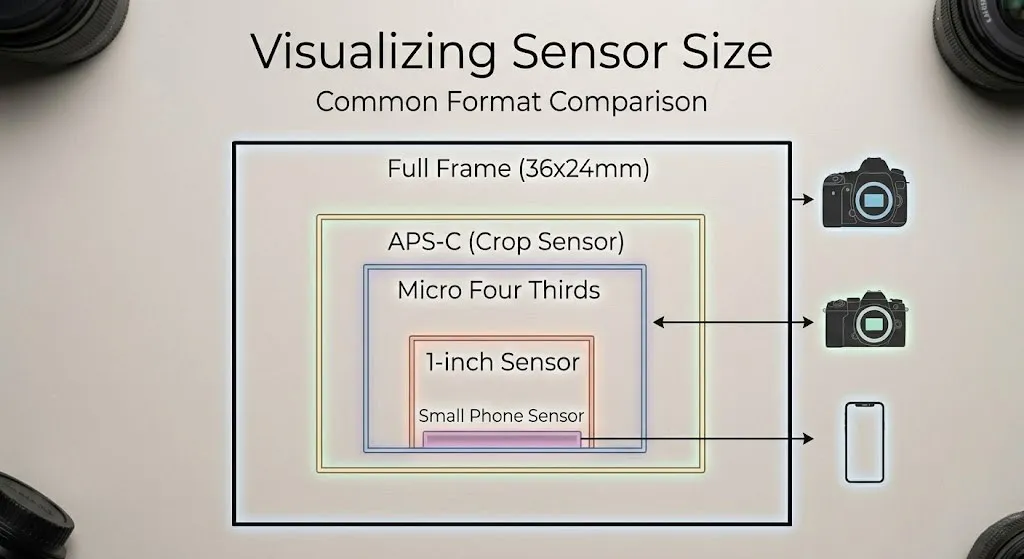
In the world of photography, the physical size of the image sensor often carries more weight than the number of megapixels. For instance, a larger sensor uses larger photosites, which "grab" lighter. As a result, this design leads to better performance in low-light conditions and creates a shallower depth of field.
| Sensor Type | Common Use Cases |
| Full Frame ($36 times 24 text{mm}$) | Professional photography, high-end DSLRs, and mirrorless cameras. |
| APS-C (Crop Sensor) | Mid-range consumer cameras and enthusiast gear. |
| Micro Four Thirds | Compact mirrorless systems (Olympus/Panasonic). |
| 1-inch / Small Sensors | High-end point-and-shoots and smartphones. |
Color Filters on an Image Sensor
Furthermore, standard image sensor designs function as color-blind tools; they only measure the brightness of light. Therefore, to produce a color image, most sensors employ a Bayer Filter a mosaic of red, green, and blue filters sitting over the photosites. Subsequently, the camera "interpolates" (guesses) the full color of each pixel based on the surrounding data.
CONCLUSION
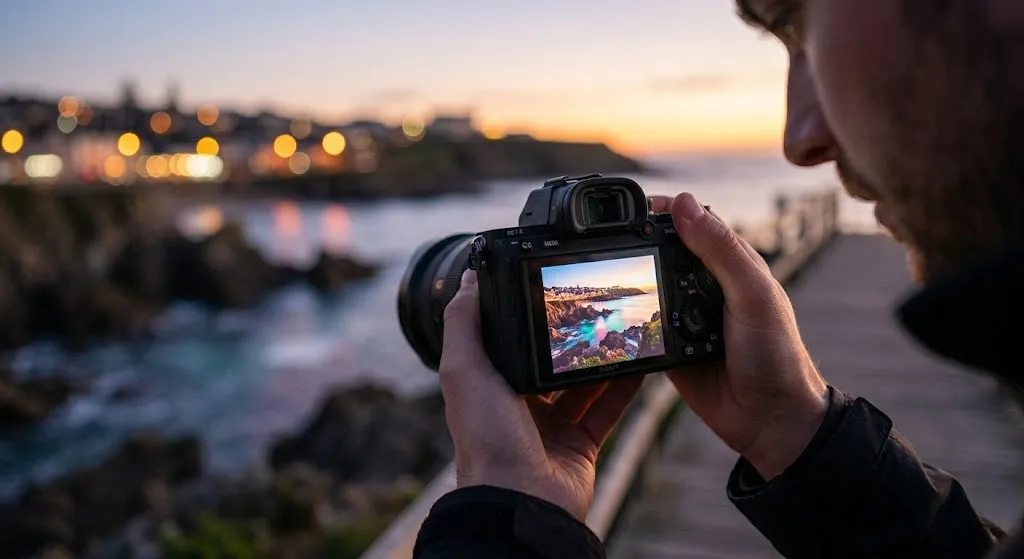
Knowing how your image sensor works can really change the way you look at your gear. It is the core part of every single photo you take, working hard behind the scenes to make sure your memories look great. Many people focus only on how many megapixels they have, but the size and type of this piece of tech matter just as much. Once you get a feel for how it handles light, you can start taking much better pictures in all kinds of tricky spots.
I would love to hear about your own setup and what you think about this topic. Does the specific sensor in your current camera make a big difference in your daily shots? Please share your thoughts or ask any questions in the comments below to get the conversation started!
Read Next: 5 Professional Headshot Tips to Improve Your Image