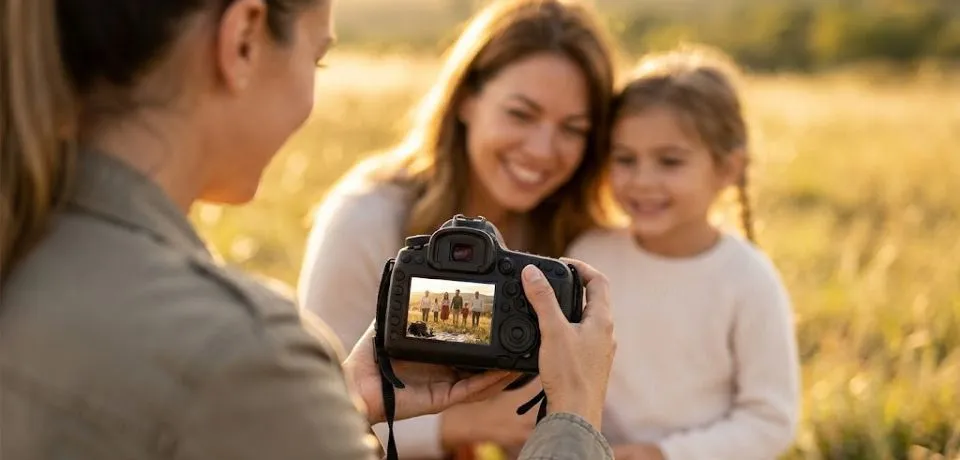
Mastering contrast is one of the most effective ways to use the tools in a photographer’s kit. Essentially, it provides the visual weight that dictates where a viewer looks first and influences how they feel about the image. Furthermore, at its core, contrast is simply the difference between two or more elements in a composition. Consequently, you can significantly improve your photography by mastering contrast and making every shot stand out.
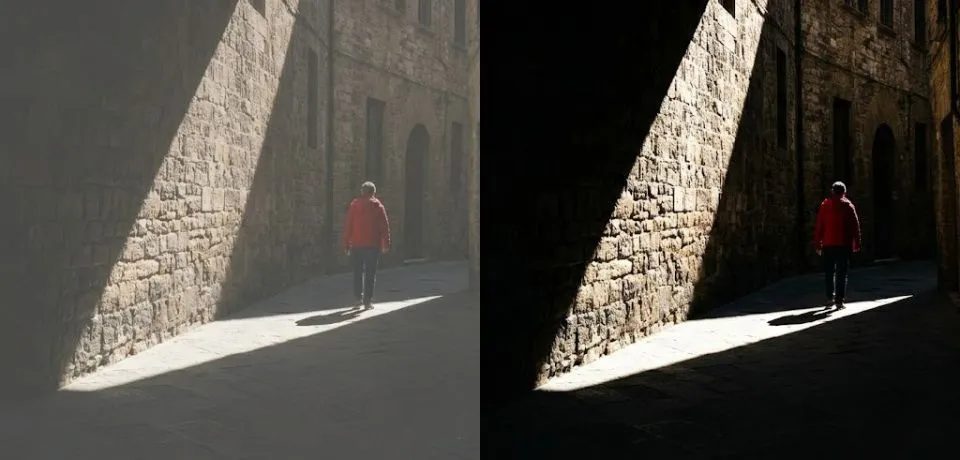
Improve your photography by mastering contrast and making every shot stand out
1. Tonal Contrast
Tonal contrast refers to the difference in brightness between the light and dark areas of an image. This is widely considered the most common form of contrast. In fact, this is often what people mean when they say an image looks "flat" or "punchy."
- High Tonal Contrast: This features bright whites and deep blacks with very few mid-tones. As a result, it feels dramatic, energetic, and bold.
- Low Tonal Contrast: Conversely, this features a narrow range of tones, such as mostly grays or soft pastels. Therefore, this creates a moody, ethereal, or vintage feel.
2. Mastering Contrast with Color (Chromatic) Variance
Color contrast uses the relationship between different hues to create separation. Specifically, you can find success here by understanding the Color Wheel.
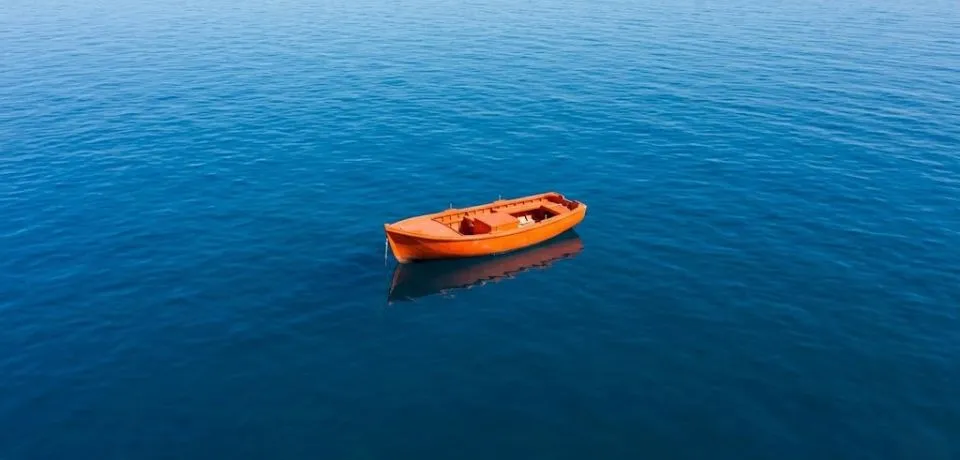
- Complementary Colors: This involves using colors from opposite sides of the wheel, such as Orange and Blue or Red and Green. Because of this, you create the most intense visual pop.
- Cold vs. Warm: By placing a warm subject, like a person in a yellow jacket, against a cold background, such as a blue shadowed alley, you naturally draw the eye to the subject.
3. Conceptual Contrast
This category is less about physics and more about storytelling. Conceptual contrast occurs when you place two opposing ideas within the same frame. Consequently, it forces the viewer to think rather than just look.
- Old vs. New: For example, a glass skyscraper reflecting an ancient stone cathedral.
- Nature vs. Urban: Similarly, a single green plant growing through a crack in a concrete sidewalk.
- Small vs. Large: Additionally, a tiny hiker standing at the base of a massive mountain range.
4. Practical Tips for Mastering Contrast
Mastering Contrast by Using Light as Your Brush
Since the quality of light dictates your results, you must choose your timing wisely.
- Hard Light: Midday sun or direct flash creates harsh shadows and high contrast.
- Soft Light: On the other hand, overcast days or the golden hour create gradual transitions and lower contrast.
Mastering Contrast by Checking Your Histogram
While shooting, consistently look at your camera's histogram to gauge the balance.
- High-Contrast: If the "mountain" of data is touching both the far left and far right, you have a high-contrast scene.
- Low-Contrast: However, if the data is bunched in the middle, your scene is low contrast.
Mastering Contrast in Post-Processing Control
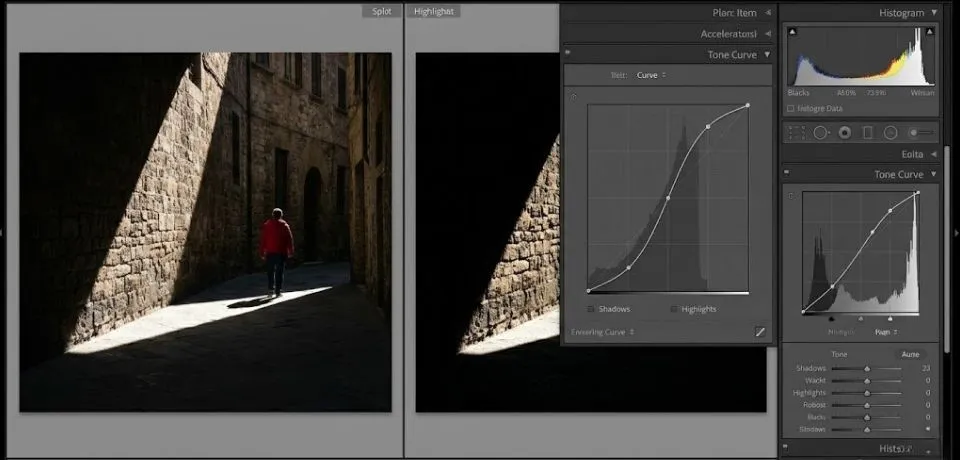
In tools like Lightroom or Photoshop, instead of just sliding the "Contrast" bar, try using the Tone Curve for more precision.
- The "S" Curve: By lifting the highlights and dropping the shadows on a curve, you create a natural, professional-looking contrast.
CONCLUSION
Getting the right balance between lights and darks is a fun way to change how people see your work. You do not need expensive gear to make a big difference in your images today. Try looking for bold colors or interesting shadows the next time you go out with your camera. Small changes in how you place your subject can make a huge impact on the final look.
We would love to hear about your own journey with these tips and what tricks you use. What is the one thing that helped you improve your photos the most this year? Please share your best advice or ask a question in the comments below so we can all learn together.
Read Next: How to Use a Reflector in Photography for Better Results
Related reading: