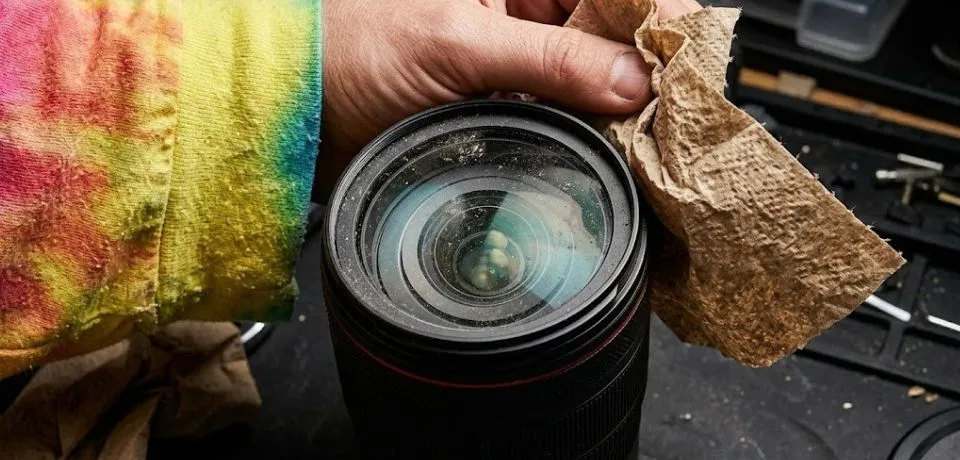
Studio photoshoots offer a controlled environment, which is arguably their greatest strength and yet their biggest trap. Because you have total control over the light and the setting, even small oversights can quickly ruin a high-end look. Consequently, paying attention to detail is vital for success.
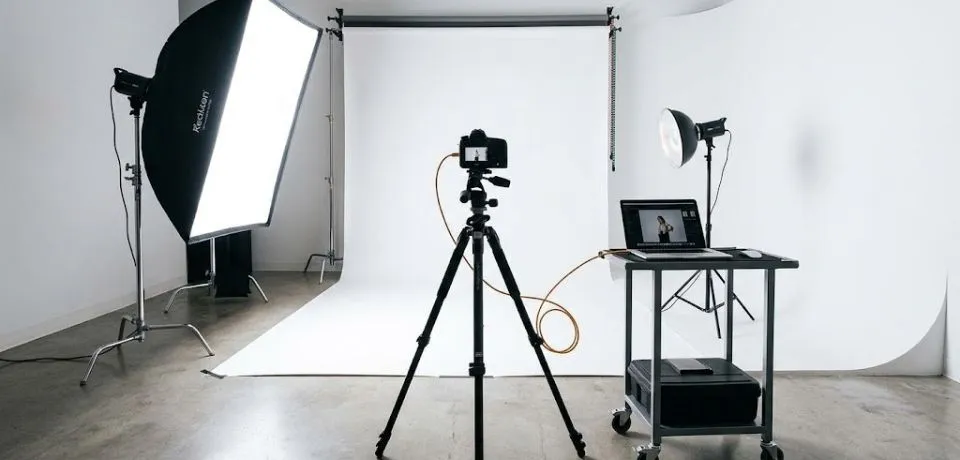
Here are some tips for your studio photoshoots
1. Technical & Lighting Pitfalls
- Over-lighting the Subject: To begin with, avoid the "flat look" caused by using too many lights at equal power. Since shadows create depth and dimension, losing them makes your image look two-dimensional.
- Ignoring Light Contamination: Furthermore, avoid wearing bright or neon clothing if you are the photographer. This is because your clothes can reflect unwanted colors onto the subject. Likewise, ensure no stray light hits the lens, as this leads to unplanned flare.
- Neglecting the Background: Additionally, watch out for wrinkles in seamless paper or scuffs on a wall. While you can edit these later, "fixing it in post" usually takes ten times longer than simply moving a light or sweeping the floor beforehand.
2. Posing & Communication Faux Pas During Studio Photoshoots
- The "Statue" Syndrome: First and foremost, avoid letting the model stay in one pose for too long. Instead, encourage constant, micro-adjustments to keep the energy high and the shots interesting.
- Vague Directions: Similarly, avoid saying "look natural." On the contrary, give actionable cues such as "shift your weight to your back leg" or "lower your chin an inch" to get the best results.
- Dead Silence: Moreover, never shoot in a silent studio. Because it feels awkward for the subject, you should play music that matches the mood of the shoot to help everyone relax.
3. Preparation & Logistics
- Wrinkled Wardrobe: In terms of clothing, never assume a model’s outfit will be camera-ready. You can avoid the stress of retouching by always having a steamer or iron on hand.
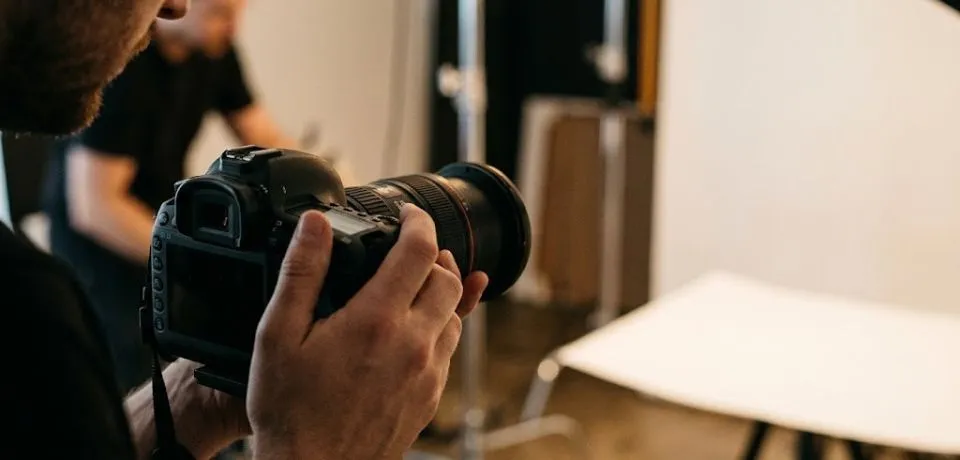
- Poor Battery/Storage Management: Although it sounds basic, avoid starting without checking your dual-slot recording. In addition, always have backup batteries ready on the charger so you never have to stop mid-session.
- Ignoring the "Tether": Finally, if possible, avoid shooting only to the back of the camera. By shooting tethered to a laptop, you can see focus and detail issues that are otherwise invisible on a tiny 3-inch screen.
Common Studio "Don'ts"
| Category | Avoid This | Do This Instead |
| Safety | Loose cables on the floor | Use gaffer tape or sandbags |
| Skin | Heavy, oily moisturizer | Use matte primer or translucent powder |
| Composition | Crowding the frame | Leave "negative space" for potential cropping or text |
| Eyes | "Dead eyes" (no catchlight) | Position a light source to reflect in the pupils |
CONCLUSION
Creating a great studio environment is about more than just expensive tools; it is about how you handle the small details that others often miss. When you pay attention to these common mistakes, you save yourself hours of boring work in front of a computer screen later. Your goal is to make every person who walks into your space feel relaxed and ready to look their best for the camera. We all have that one funny or stressful story where something went wrong during a big session. Maybe a light stand fell over, or a backdrop ripped right in the middle of a pose.
I would love to hear about your own experiences or any tips you have for keeping things running smoothly. What is the one thing you never forget to bring to your workspace? Share your thoughts in the comments below so we can all learn from each other!