
Ecommerce product photo editing has shifted significantly for 2026, moving from simple cleanup to a strategic visual system that balances high-speed AI automation with manual precision for high-ticket items like jewelry and apparel.
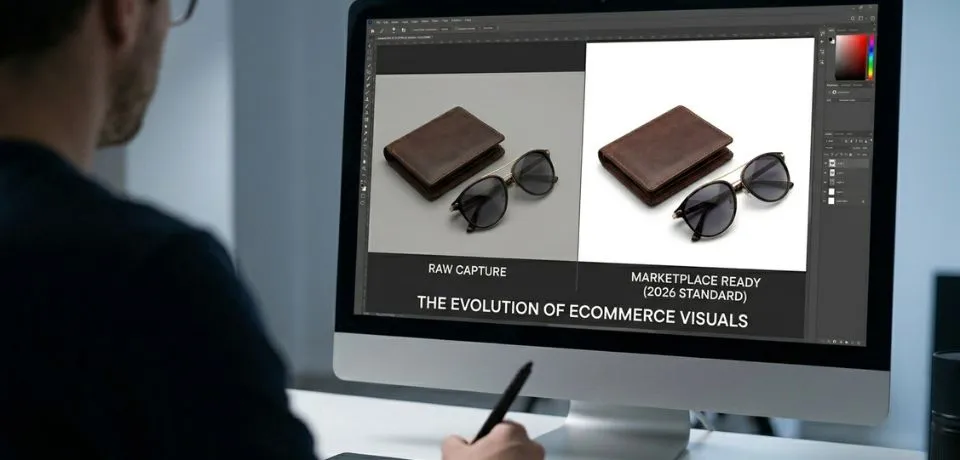
Improve your ecommerce product images with these top tips
1. The Core Technical Standards (Marketplace Ready)
To begin with, you should focus on the technical basics to make your shop marketplace ready:
- Resolution: Aim for a minimum of 1600px to 2000px on the longest side. As a result, this allows for 3x–5x zoom functionality.
- Main Image: Use a pure white background (#FFFFFF) while ensuring the product fills 85% to 100% of the frame.
- File Format: In addition to standard formats, WebP is now the preferred choice for 2026 because it offers 30% smaller file sizes than JPEG.
- Color Profile: Stick strictly to sRGB. Consequently, this maintains consistency across all mobile and desktop screens.
2. Specialized Category Workflows for Your Ecommerce Product
Next, different items require unique touches. Therefore, you should adapt your style based on what you sell:
| Category | Key Retouching Focus | Pro Technique |
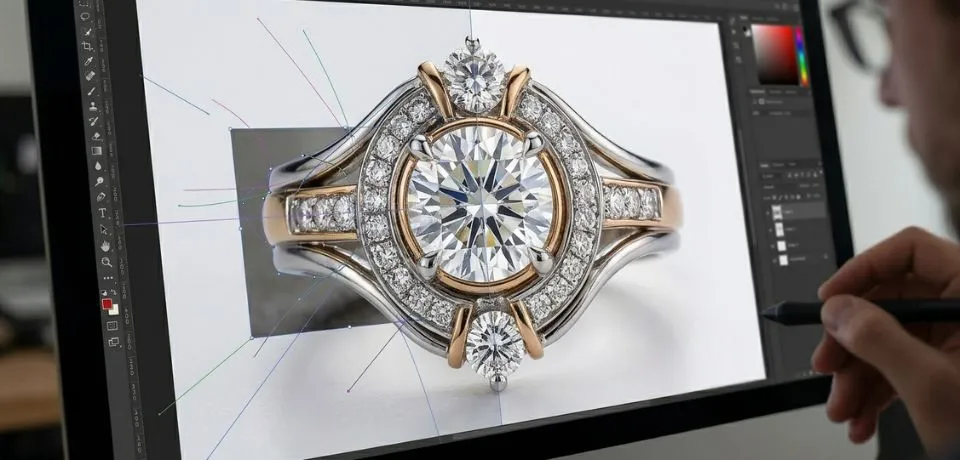
| Jewelry | Gemstone clarity, metal smoothing, reflection control. | Focus Stacking: Combine 5–10 exposures to ensure sharpness from the front to the back of the piece. |
| Apparel | Wrinkle removal, fabric texture preservation, ghost mannequin. | High-Pass Filtering: Enhances weave patterns without making the fabric look "plastic" or over-processed. |
| Electronics | Alignment, highlight balancing, screen replacement. | Composite Editing: Merging different light passes to show both the matte texture of a casing and the glow of an LED. |
3. The 2026 "Hybrid" Workflow
Moreover, the most efficient studios now use a two-tier approach to save time and money:
- AI Tier (Bulk Processing): First, use tools like Claid.ai or Luminar Neo for automated background removal and resizing. This typically handles 80% of the work.
- Manual Tier (Hero Images): Afterwards, professional editors focus on the "Hero" shot. Because this is the main image that drives clicks, they focus on complex edges and color accuracy.
4. Trends to Watch for Your Ecommerce Product: Authentic Realism
Finally, a major shift in 2026 is the rejection of images that look "over-polished." Instead, try these modern methods:
- Soft Shadows: Move away from harsh drop shadows. Instead, use "grounding" shadows so the item feels like it is touching the surface.
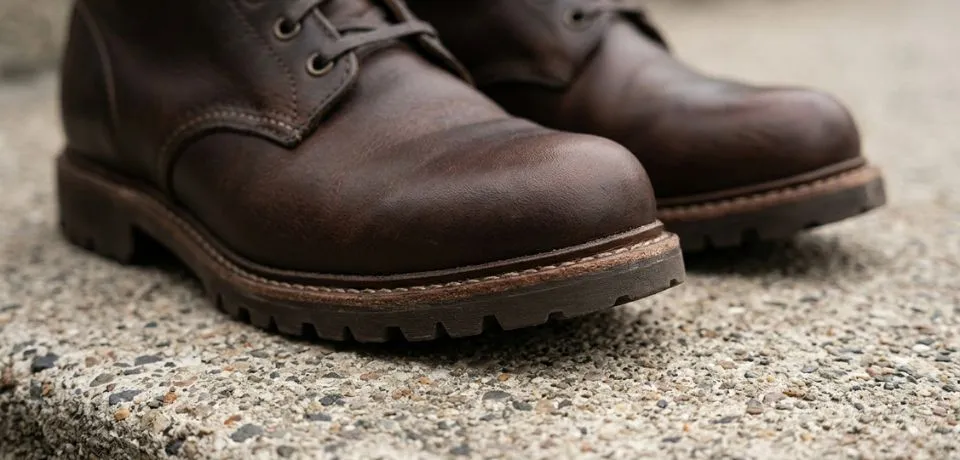
- Return-Prevention Shots: Additionally, include close-up crops of stitching, hardware, and labels to show quality.
- Lifestyle AI: Similarly, you can use AI to place a studio shot into a real-life context, such as a watch on a wrist, while keeping the original lighting.
CONCLUSION
Great photos are the secret to turning a casual browser into a happy customer. When your ecommerce product looks clean and professional, people feel much safer clicking that buy button. It is all about showing every detail clearly so there are no surprises when the package arrives at their door. High-quality editing helps you build real trust and keeps your store looking fresh in a crowded market. You do not need a massive budget to start seeing better results today. Small changes in how you handle your shop images can lead to much bigger wins for your business growth.
We want to hear about your own journey with online selling. What is the biggest challenge you face when trying to get that perfect shot for your shop? Share your best tips or ask a question in the comments below to get the conversation started.