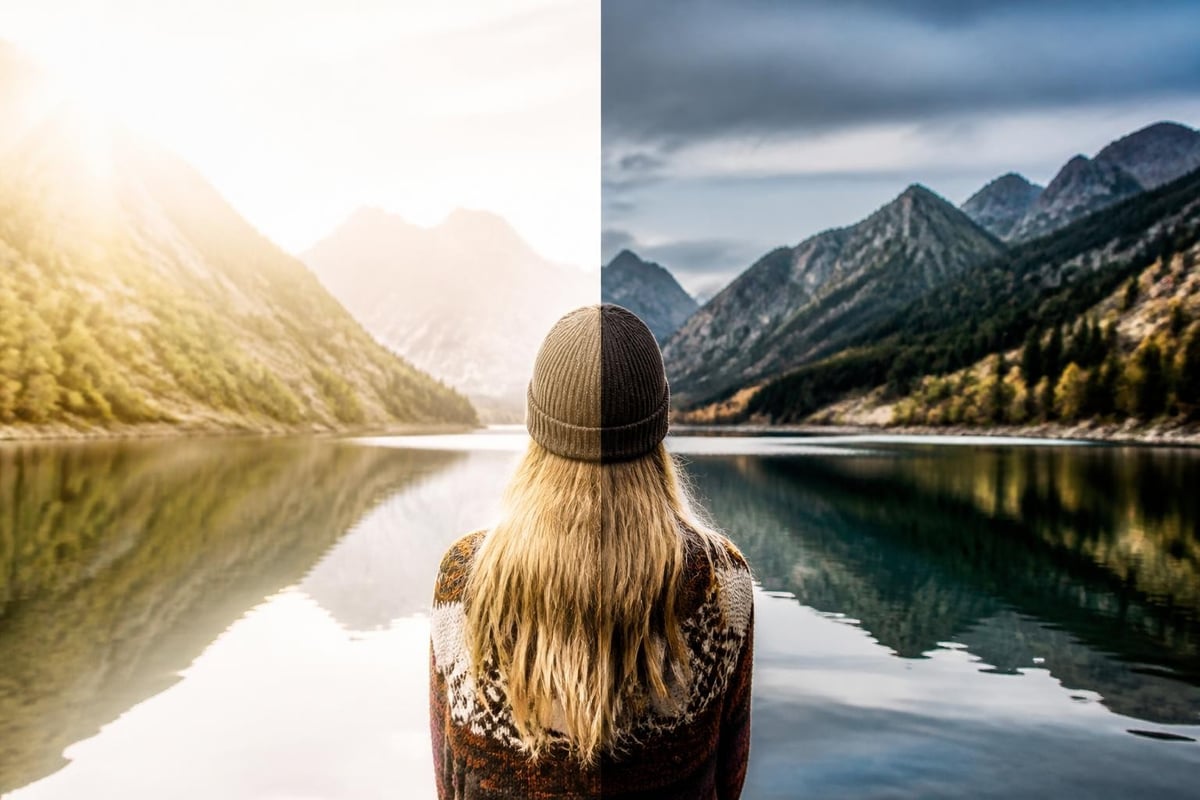
Image smoothing represents a fundamental technique in professional photo retouching that transforms raw photographs into polished, publication-ready visuals. Whether you're preparing product images for e-commerce platforms, perfecting portrait photography, or enhancing brand materials, understanding smoothing image techniques can dramatically improve the quality and consistency of your visual content. This comprehensive guide explores the methods, applications, and best practices that professional retouchers use to achieve seamless results across different photography genres.
Understanding Image Smoothing Fundamentals
Smoothing image processes work by reducing pixel-level variations and texture inconsistencies while maintaining essential details and edges. The technique operates through mathematical algorithms that analyze neighboring pixels and average their values to create a more uniform appearance.
Core Smoothing Methods
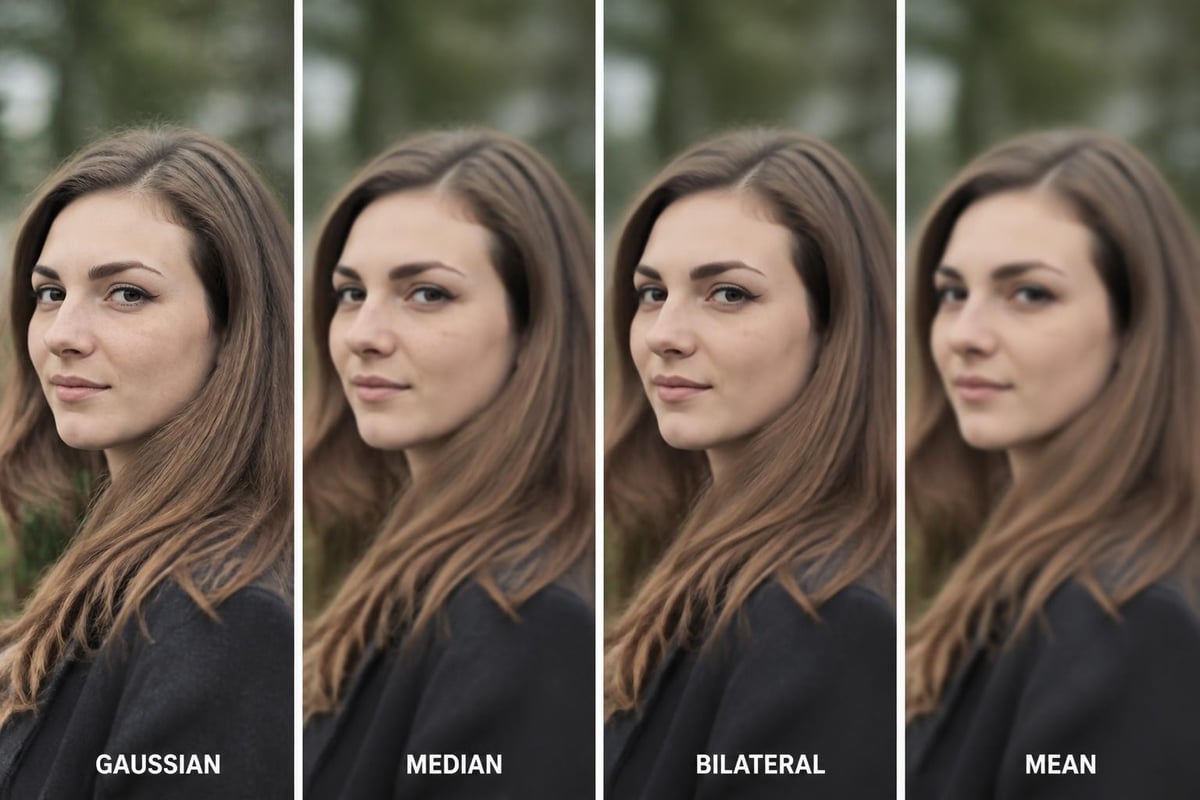
Professional retouchers employ several primary approaches when working with smoothing image tasks:
- Gaussian blur: Creates natural-looking smoothness by applying weighted averaging based on distance from the center pixel
- Mean filtering: Averages all pixels within a specified radius for uniform texture reduction
- Median filtering: Particularly effective for removing salt-and-pepper noise while preserving edges
- Bilateral filtering: Preserves edges while smoothing flat regions through spatial and intensity considerations
Research on level-set methods demonstrates how advanced smoothing techniques can maintain edge sharpness while effectively reducing noise and jagged contours. These mathematical foundations inform modern retouching workflows used across the industry.
Applications Across Photography Genres
Different photography types benefit from tailored smoothing approaches. Portrait photography requires careful skin smoothing that maintains natural texture, while product photography demands consistent surface appearance without losing material characteristics. Landscape images benefit from selective smoothing that reduces noise in sky regions while preserving detail in foreground elements.
The biological image processing field has contributed valuable insights into filtering techniques that translate effectively to commercial photography applications, particularly in maintaining critical details while reducing unwanted artifacts.
Professional Workflow Integration
Implementing smoothing image techniques within a professional retouching workflow requires strategic planning and technical precision. Understanding when and how to apply smoothing determines the difference between natural-looking results and over-processed images that lose authenticity.
Non-Destructive Editing Strategies
Modern photo editing emphasizes non-destructive workflows that preserve original image data throughout the retouching process. This approach allows retouchers to adjust smoothing intensity, modify affected areas, and refine results without degrading image quality.
| Technique | Preservation Method | Flexibility Level | Processing Time |
|---|---|---|---|
| Smart Objects | Complete original data | Highest | Medium |
| Adjustment Layers | Parametric control | High | Fast |
| Layer Masks | Selective application | Very High | Medium |
| History States | Sequential undo options | Low | Fast |
Creating duplicate layers before applying smoothing image effects provides insurance against irreversible changes. Professional workflows typically involve multiple iterations, with each smoothing pass targeting specific image regions or characteristics.
Frequency Separation Techniques
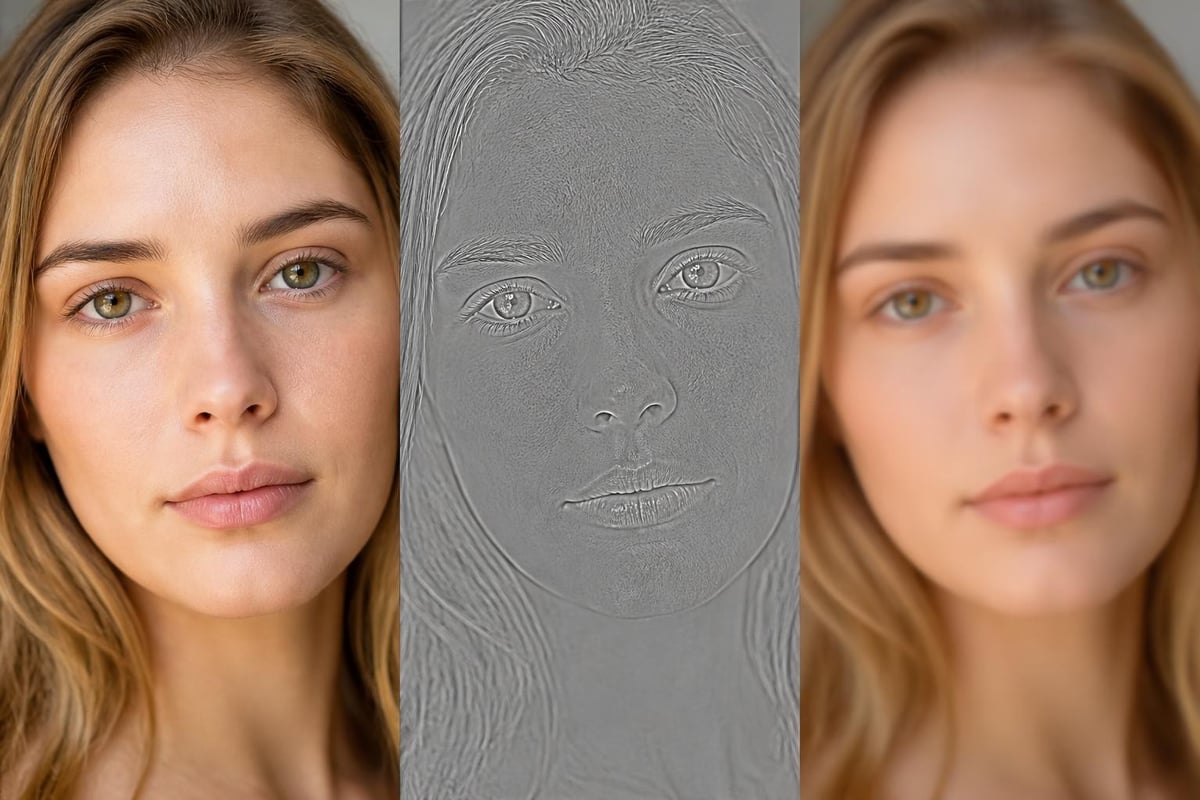
Frequency separation has become the industry standard for sophisticated smoothing image work, particularly in portrait and product photography. This method separates texture information from color and tone, allowing independent manipulation of each component.
The process involves creating two layers: one containing high-frequency detail (texture, pores, fine lines) and another holding low-frequency information (color transitions, tonal gradations). Smoothing the low-frequency layer eliminates color blotchiness and uneven tones while preserving skin texture or product surface details.
Advanced retouchers combine frequency separation with selective smoothing, applying different intensities to various image regions. This targeted approach produces natural results that maintain believable texture variation across the photograph.
Advanced Smoothing Technologies
Recent developments in image processing have introduced sophisticated smoothing image methodologies that surpass traditional filtering approaches. These technologies leverage computational power and machine learning to achieve results previously impossible with manual techniques.
Deep Learning Approaches
Unsupervised learning frameworks using convolutional neural networks have revolutionized how professionals approach smoothing image challenges. These systems learn optimal smoothing parameters automatically, adapting to image content without requiring manual adjustment for each photograph.
The advantage of neural network-based smoothing lies in content-aware processing. Traditional filters apply uniform mathematical operations across all pixels, while deep learning models recognize distinct image elements and adjust smoothing accordingly. Faces receive different treatment than backgrounds, and hard edges remain sharp while smooth gradients become even more uniform.
For businesses handling high-volume photo editing, AI and manual photo editing comparison reveals how hybrid workflows combining automated smoothing with human refinement deliver optimal efficiency and quality.
Edge-Preserving Algorithms
One persistent challenge in smoothing image work involves maintaining sharp edges while reducing texture and noise in adjacent areas. Edge-preserving algorithms solve this problem through sophisticated pixel analysis that distinguishes between genuine edges and texture variations.
- Anisotropic diffusion: Smooths along edges rather than across them, preserving boundaries
- Guided filtering: Uses a guidance image to control smoothing behavior across different regions
- Rolling guidance filtering: Iteratively removes small structures while maintaining large-scale edges
- Domain transform filtering: Provides edge-aware smoothing with computational efficiency
The benchmark for edge-preserving smoothing methods provides objective comparison data that helps professionals select appropriate techniques for specific project requirements.
Practical Implementation Guidelines
Successfully applying smoothing image techniques requires understanding both technical parameters and aesthetic considerations. The following guidelines help retouchers achieve professional results consistently across different photography types and client requirements.
Parameter Selection and Adjustment
Choosing appropriate smoothing parameters involves balancing multiple factors including output size, viewing distance, subject matter, and client specifications. Images destined for large-format printing tolerate less smoothing than web-optimized versions, as magnification reveals any loss of detail.
| Output Use | Recommended Smoothing Strength | Detail Preservation Priority | Quality Checks |
|---|---|---|---|
| Large Print (24x36"+) | Minimal (10-20%) | Critical | 100% zoom review |
| Standard Print (8x10") | Light (20-35%) | High | 50% zoom review |
| Web Display | Moderate (35-50%) | Medium | Actual size review |
| Social Media | Aggressive (50-70%) | Lower | Device preview |
Testing smoothing effects at the intended viewing size prevents over-processing. What appears perfect at 100% zoom may look artificial at normal viewing distances, while conservative smoothing that looks subtle on screen might prove insufficient for close examination of prints.
Industry-Specific Considerations
E-commerce photography demands particular attention to smoothing image techniques, as product representation must remain accurate while presenting items in their best light. When working with ecommerce photo editing, retouchers balance the need for appealing smoothness with the requirement for truthful product representation. Fabric texture, material surfaces, and product details must remain clearly visible after smoothing processes to prevent customer dissatisfaction and returns.
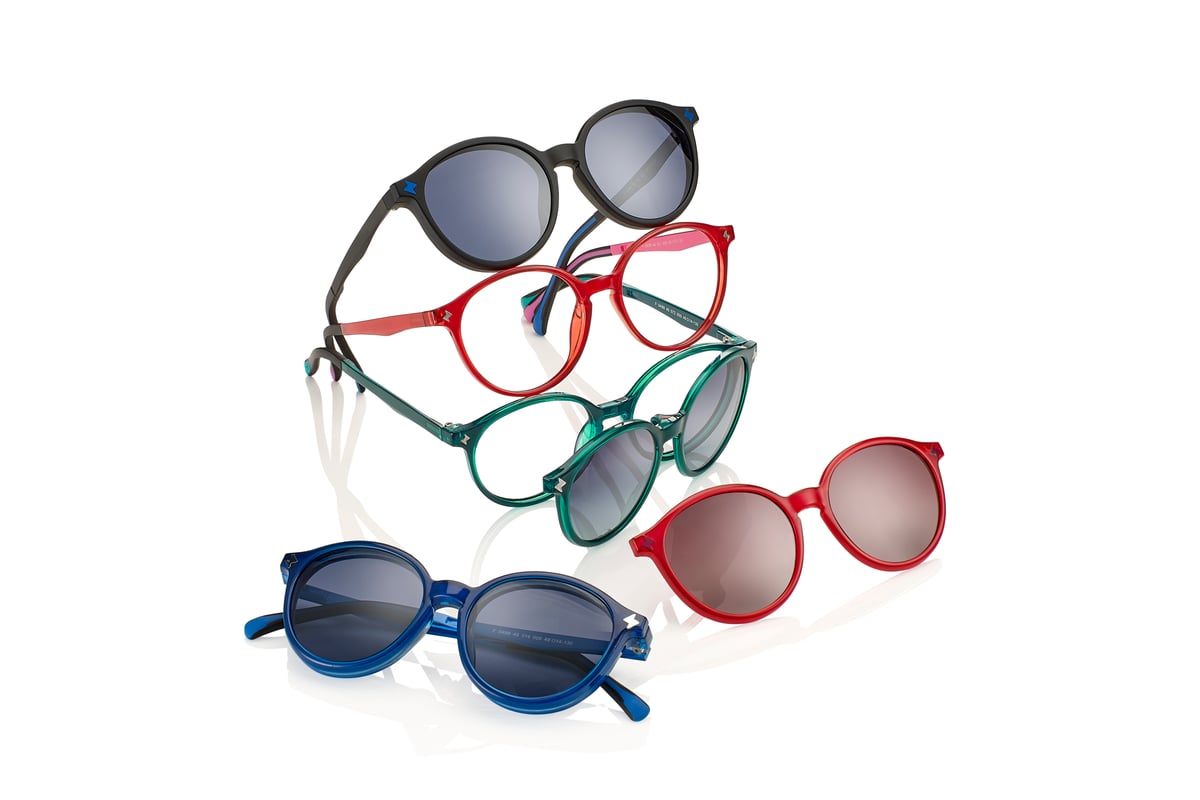
Fashion and apparel photography benefits from smoothing that enhances fabric appearance without eliminating the characteristics that help customers understand material quality. Jewelry requires careful smoothing that maintains metal reflections and gemstone facets while eliminating sensor noise and minor imperfections.
Quality Control and Validation
Implementing systematic quality control ensures smoothing image work meets professional standards before delivery. Establishing checkpoints throughout the retouching process catches issues early and prevents time-consuming revisions.
Creating before-and-after comparison views helps validate that smoothing enhances rather than degrades image quality. Professional retouchers regularly toggle between original and processed versions, checking for artificial appearance, loss of critical detail, or inconsistent application across the image.
Combining Smoothing with Other Retouching Techniques
Smoothing image processes rarely work in isolation within professional workflows. Understanding how smoothing interacts with other retouching techniques produces superior final results and prevents common processing artifacts.
Color Correction Integration
Smoothing and color correction should follow a specific sequence for optimal results. Generally, major color corrections precede smoothing operations, as color adjustments can introduce new noise or texture variations that subsequent smoothing addresses.
However, final color grading typically occurs after smoothing, taking advantage of the cleaner pixel data to achieve more refined color relationships. This sandwich approach (preliminary color correction, smoothing, final color grading) produces images with both technical excellence and aesthetic appeal.
For images requiring extensive color manipulation, separating smoothing from color work through separate adjustment layers provides maximum flexibility and prevents unintended interactions between processing steps.
Sharpening and Detail Enhancement
The relationship between smoothing and sharpening requires careful management. These opposing processes must balance each other to create images that appear both clean and detailed.
Professional workflows typically apply smoothing first, then selectively sharpen specific image areas to restore or enhance critical details. Eyes in portraits, product edges in commercial photography, and text elements in composite images often receive targeted sharpening after global smoothing operations.
- Apply initial smoothing to reduce noise and unwanted texture
- Evaluate areas requiring detail restoration or enhancement
- Create selection masks for targeted sharpening regions
- Apply appropriate sharpening technique (unsharp mask, high-pass filter, or specialized algorithms)
- Blend sharpening effect using layer opacity and masks for natural appearance
- Review at multiple zoom levels and simulate final output conditions
Modern photography editing software provides sophisticated tools for managing the smoothing-sharpening relationship, including content-aware sharpening that automatically adjusts based on image content.
Common Challenges and Solutions
Even experienced retouchers encounter challenges when implementing smoothing image techniques. Recognizing these issues and knowing effective solutions separates professional-quality work from amateur results.
Over-Smoothing and Plastic Appearance
The most frequent smoothing image mistake involves excessive application that eliminates natural texture entirely. Skin appears plastic, fabrics look painted, and images lose the subtle variations that create photographic believability.
Solution approaches include:
- Reducing smoothing opacity to 50-70% and building effect gradually through multiple passes
- Using layer masks to exclude areas requiring full texture retention (eyelashes, hair, fabric weave)
- Applying smoothing selectively to problem areas rather than globally across entire images
- Maintaining reference images of natural texture to guide processing decisions
Halo Effects and Edge Artifacts
Strong smoothing near high-contrast edges can create visible halos or blurred boundaries that compromise image quality. These artifacts become particularly noticeable around hair against bright backgrounds or product edges against studio backdrops.
Addressing edge artifacts requires refined masking techniques and edge-aware smoothing methods. Vector-valued image regularization frameworks provide mathematical foundations for understanding how smoothing affects boundaries and transitions.
Inconsistent Results Across Image Sets
Maintaining consistent smoothing across multiple images from the same shoot or product line challenges retouchers working with batch processing requirements. Variations in lighting, camera settings, and subject characteristics can make standardized smoothing produce uneven results.
Developing custom smoothing profiles for specific shooting scenarios addresses this challenge. Creating action sets or presets that account for typical variations within a product category or photography style ensures consistency while allowing manual refinement when necessary.
Measuring and Optimizing Smoothing Results
Quantifying smoothing image effectiveness helps professionals refine techniques and communicate with clients about processing approaches. While subjective aesthetic judgment remains important, objective measurements provide valuable feedback for workflow optimization.
Technical Quality Metrics
Several measurable factors indicate smoothing quality and appropriate application:
- Noise reduction percentage: Quantifies texture elimination in uniform areas
- Edge sharpness retention: Measures preservation of important boundaries
- Tonal smoothness: Evaluates gradient continuity and color transitions
- Detail preservation index: Compares fine detail retention before and after processing
Professional-grade editing software includes analysis tools that generate these metrics automatically. The Wolfram documentation on image restoration describes mathematical approaches to evaluating smoothing effectiveness across different techniques.
Client Communication and Approval
Presenting smoothing image work to clients requires clear communication about processing approaches and aesthetic choices. Creating annotated examples that highlight specific smoothing applications helps clients understand the value delivered through professional retouching.
Sample presentations might include:
- Side-by-side comparisons showing before and after versions
- Detailed zoom views demonstrating texture improvement in specific areas
- Descriptions of techniques applied and reasons for processing decisions
- Alternative processing versions showing different smoothing intensities for client preference selection
Building client trust through transparent communication about smoothing techniques encourages long-term relationships and repeat business for professional retouching services.
Mastering smoothing image techniques requires balancing technical knowledge with aesthetic sensibility, understanding both the mathematical foundations and practical applications that create professional-quality results. Whether you're refining portraits, perfecting product photography, or enhancing brand visuals, the strategic application of smoothing processes elevates image quality while maintaining natural appearance and truthful representation. Photo Editing Company combines advanced smoothing technologies with expert manual retouching to deliver consistently exceptional results for clients worldwide, ensuring your visual content meets the highest professional standards across all photography genres and commercial applications.