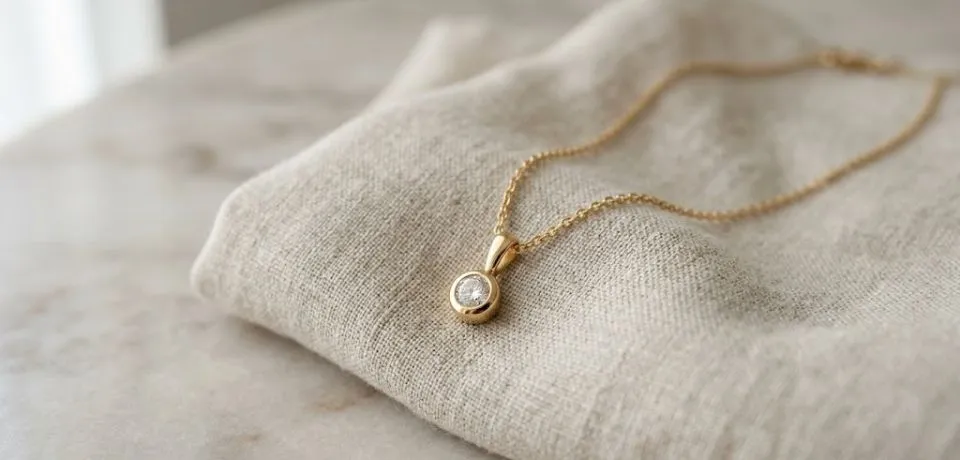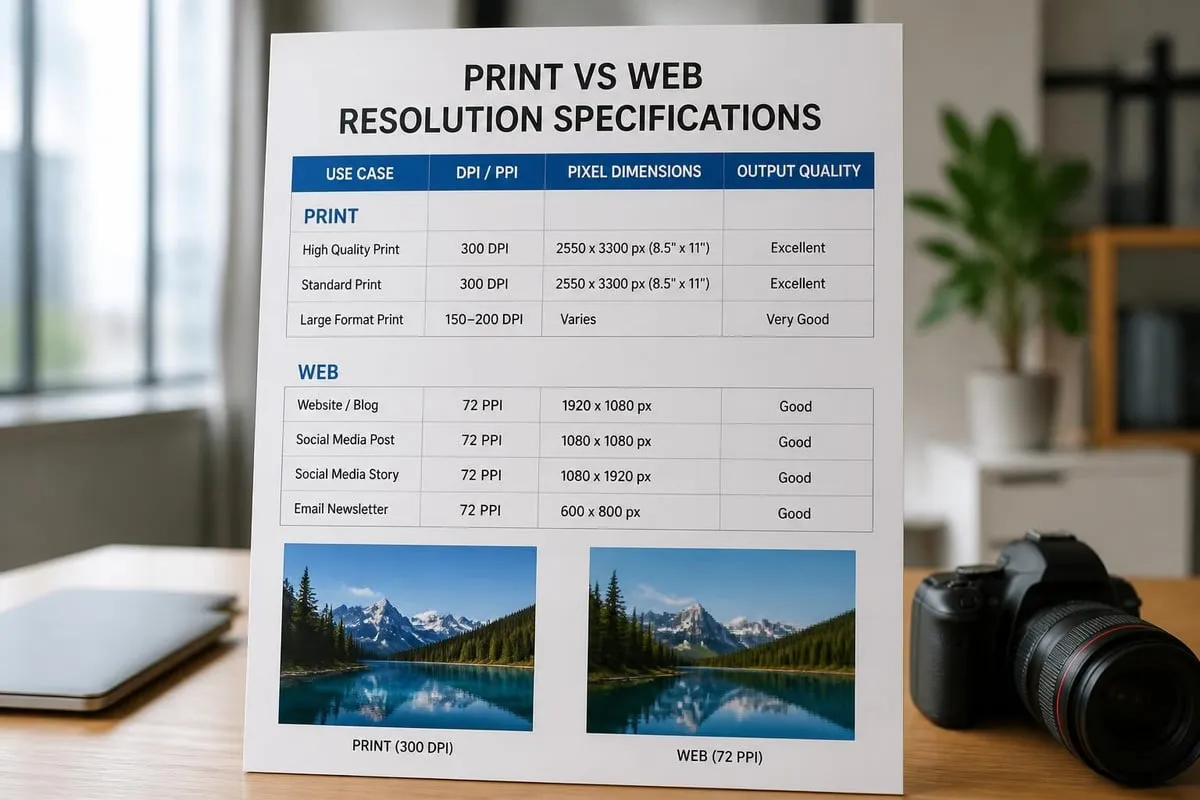
Creating high-quality results when you take beautiful jewelry photos depends on your control over light, focus, and small details. Metal and gemstones are notoriously difficult subjects because they reflect everything in the room, making a careful setup a requirement for a professional look.
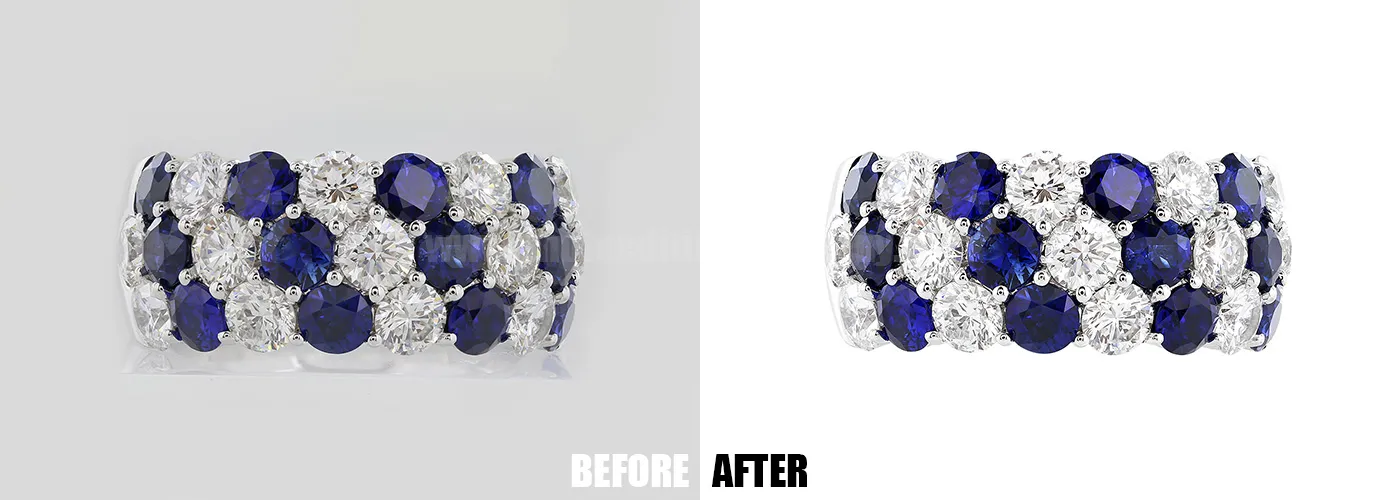
Follow these steps to improve your jewelry photography process
1. The Right Gear to Take Beautiful Photos
Stability and specialized lenses are the foundation of jewelry work. Because you are often dealing with objects smaller than a coin, standard lenses may struggle to focus.
- Macro Lens: Use a dedicated macro lens (typically 90mm to 105mm) to fill the frame with the item without losing detail.
- Tripod: Using a tripod is the only way to ensure your images are sharp. Even a tiny movement creates blur at close range.
- Remote Shutter: A remote trigger or a 2-second timer prevents camera shaking when you press the button.
2. Lighting Logic to Take Beautiful Jewelry Photos
Jewelry requires soft, diffused light to avoid harsh glares and "hot spots" on metallic surfaces.
- Light Tents: A white tent or cone surrounds the piece in neutral light, which blocks messy reflections from the ceiling or walls.
- Color Temperature: Use bulbs set to 5500K (daylight) so your gold and silver tones look natural and true to life.
- Black Cards: If a silver ring looks too flat or white, hold a small strip of black paper near the side. This adds a dark reflection that defines the edges of the metal.
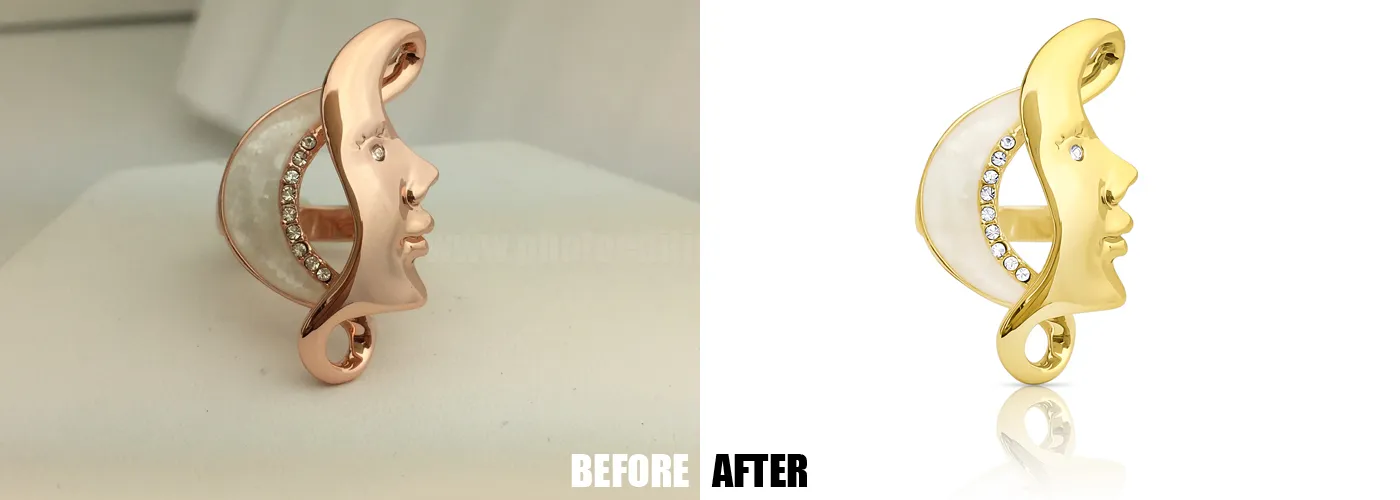
3. Preparation for Beautiful Jewelry Photos
A single speck of dust can ruin a macro shot, appearing much larger on screen than it does in person.
- Handling: Always wear microfiber gloves when touching the jewelry to avoid leaving oily fingerprints on polished surfaces.
- Cleaning: Use compressed air or a soft cloth just before you fire the shutter.
- Positioning: Use a tiny amount of clear museum wax to stand rings upright or hold necklaces in a specific shape.
4. Camera Settings for Beautiful Jewelry Photos
Manual mode is the best way to maintain consistency across a full product line.
- Aperture: Shoot at f/11 or f/16. This provides a deeper field of focus, so the entire piece stays sharp.
- ISO: Set this to 100 to keep the image clean and free of digital grain.
- Focus Stacking: For very deep rings or necklaces, take several shots with different focus points and blend them together during the editing stage.
Conclusion
Producing professional jewelry images requires managing reflections and fine details. You must use a macro lens and a tripod to maintain sharpness at close range. Soft, diffused lighting via light tents prevents harsh glares, while black cards help define the edges of metallic surfaces. Because macro photography magnifies every flaw, you should handle pieces with microfiber gloves and use museum wax for precise positioning. For the best technical results, use a narrow aperture (f/11–f/16) and a low ISO to keep images crisp and grain-free.
The difference between a hobbyist photo and a professional one is cleanliness. No amount of editing can fix oily fingerprints or dust as effectively as proper preparation and careful handling before you press the shutter.
Audit your current gear and swap your standard lens for a dedicated macro lens to start producing clearer, high-end jewelry portraits today.
Read Next: 9 Jewelry Photography Tips for Sparkling Products
Related reading: